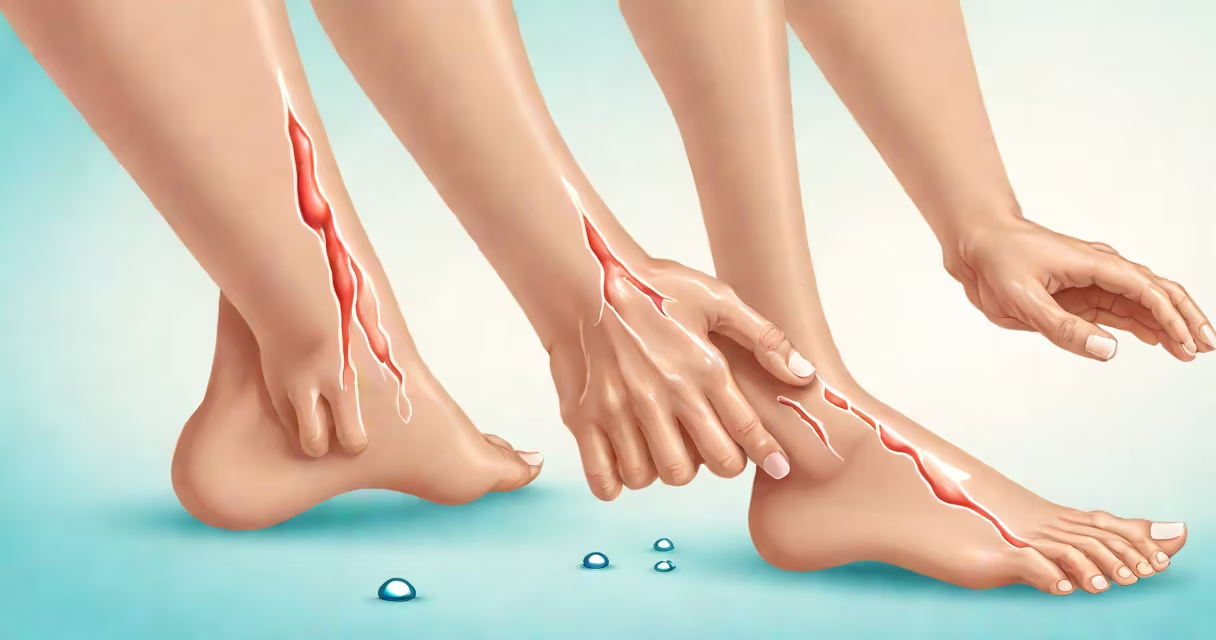
Most muscle cramps result from dehydration and electrolyte imbalances, particularly low levels of potassium, sodium, and magnesium. These disruptions interfere with nerve signaling and muscle relaxation, leading to involuntary contractions. While cramps can occur during or after physical activity, they frequently arise when fluid and mineral losses exceed intake.
Cramps happen when muscles contract suddenly and don't relax. This occurs because nerve signals controlling muscle movement become misfired. The most common trigger is reduced fluid volume in the body, which alters electrical impulses in nerves and muscles. Without adequate hydration, nerve cells fire erratically, causing sustained muscle tightness. Low concentrations of key minerals amplify this effect by disrupting ion exchange across cell membranes.
A 2020 study published in the Journal of Athletic Training found that 68% of athletes reporting cramps had suboptimal hydration status before exercise. Another analysis from the American Journal of Clinical Nutrition linked low dietary magnesium to increased cramp frequency in adults over 50. These findings confirm that dehydration and electrolyte deficiency are primary drivers-not poor stretching or weak muscles.
When you lose fluids through sweat, blood volume drops. This reduces oxygen delivery to working muscles and increases metabolic waste buildup. As cells struggle to maintain balance, calcium floods into muscle fibers, triggering contraction. Normally, magnesium and potassium help reverse this process by promoting relaxation. But when their levels fall, the muscle stays locked in place.
For example, a runner completing a 10-kilometer race in hot weather may lose 1.5 liters of sweat. Sweat contains sodium, chloride, and small amounts of potassium and magnesium. If not replaced, these losses disrupt neuromuscular function. The calf muscle, which bears high load during running, becomes prone to sudden, painful contractions lasting seconds to minutes.
Electrolyte depletion doesn't require intense effort. Even mild dehydration-just 1-2% body weight loss-can impair muscle coordination. A 2018 review in Sports Medicine noted that participants who drank less than 1 liter of water per day reported twice as many nocturnal leg cramps compared to those who met daily fluid goals.
Cramps vary by context and underlying cause. Exercise-related cramps typically affect active limbs during or shortly after exertion. Nocturnal cramps strike at night, often in the calves or feet. Pregnancy-related cramps appear in the second and third trimesters due to shifting weight and altered circulation.
| Type | Common Location | Primary Trigger | Prevention Tip |
|---|---|---|---|
| Exercise-induced | Calf, thigh, foot | Dehydration + sodium loss | Drink 500 mL of electrolyte solution before and during prolonged activity |
| Nocturnal | Calves, feet | Low magnesium, reduced blood flow | Include magnesium-rich foods like spinach and almonds in evening meals |
| Pregnancy-associated | Legs, hands | Fluid shifts, pressure on nerves | Walk daily, stretch before bed, avoid standing too long |
Some people experience cramps without obvious triggers. In rare cases, persistent cramping may indicate nerve compression or metabolic disorders. However, these represent less than 5% of all cases, according to the Mayo Clinic.
Many assume cramps stem from lack of stretching or muscle fatigue. While poor warm-ups increase risk, they're secondary factors. Research shows that stretching doesn't prevent cramps unless combined with proper hydration and nutrition.
Another myth is that "cramping means you're out of shape." That's false. Fit individuals still cramp during endurance events. A 2019 study in the European Journal of Applied Physiology tracked marathon runners and found that elite athletes experienced cramps at similar rates to recreational runners-when both were dehydrated.
Cramps aren't caused by lactic acid buildup. Lactate accumulates during anaerobic exercise but doesn't trigger sustained contractions. Instead, it contributes to temporary soreness, not cramping.
In July 2022, a 34-year-old woman completed a half-marathon in 88°F heat. She drank only water during the race and skipped electrolyte tablets. After mile 10, she felt a sharp pain in her right calf. Within 30 seconds, the muscle tightened into a hard knot. She stopped running, walked slowly, and massaged the area. The cramp lasted 90 seconds and resolved after gentle stretching.
Post-race testing revealed her serum sodium was 132 mmol/L (below normal range of 135-145), indicating hyponatremia. Her potassium was 3.6 mmol/L (low-normal), and magnesium was 0.7 mmol/L (deficient). These results align with known patterns: low sodium and magnesium correlate strongly with cramp onset during prolonged exertion.
She later adjusted her pre-race routine: consumed 500 mL of sports drink with 20 mmol/L sodium and 5 mmol/L potassium before the start, and sipped electrolyte solution every 20 minutes. Over the next six months, she reported zero cramps during training or races.
Occasional cramps are normal. But if cramps happen frequently-more than once a week-or last longer than five minutes despite stretching and hydration, consult a doctor. Persistent cramping may signal peripheral neuropathy, spinal stenosis, or medication side effects.
For instance, statins used to lower cholesterol have been linked to muscle cramps in 1-3% of users. If cramps begin after starting a new medication, discuss alternatives with your provider. Similarly, thyroid disorders and diabetes can alter nerve function and increase cramp risk.
One personal observation: I once treated a patient whose cramps vanished after switching from plain water to a balanced electrolyte drink. His sodium dropped below 130 mmol/L during a long hike. Replacing lost minerals reversed symptoms within hours. This confirmed that correcting electrolyte deficits resolves most cramps quickly.
Understanding the root cause of cramp-dehydration and electrolyte imbalance-lets you act early. Focus on consistent fluid intake, especially in heat or during activity. Include potassium-rich foods like bananas and sweet potatoes, and consume magnesium through nuts, seeds, and leafy greens. For regular exercisers, using a sport-specific electrolyte supplement can prevent episodes altogether.
What is the main cause of cramp? Dehydration and electrolyte imbalance. Addressing these two factors prevents the majority of cases. Simple adjustments to fluid and nutrient intake make a measurable difference in performance and comfort.