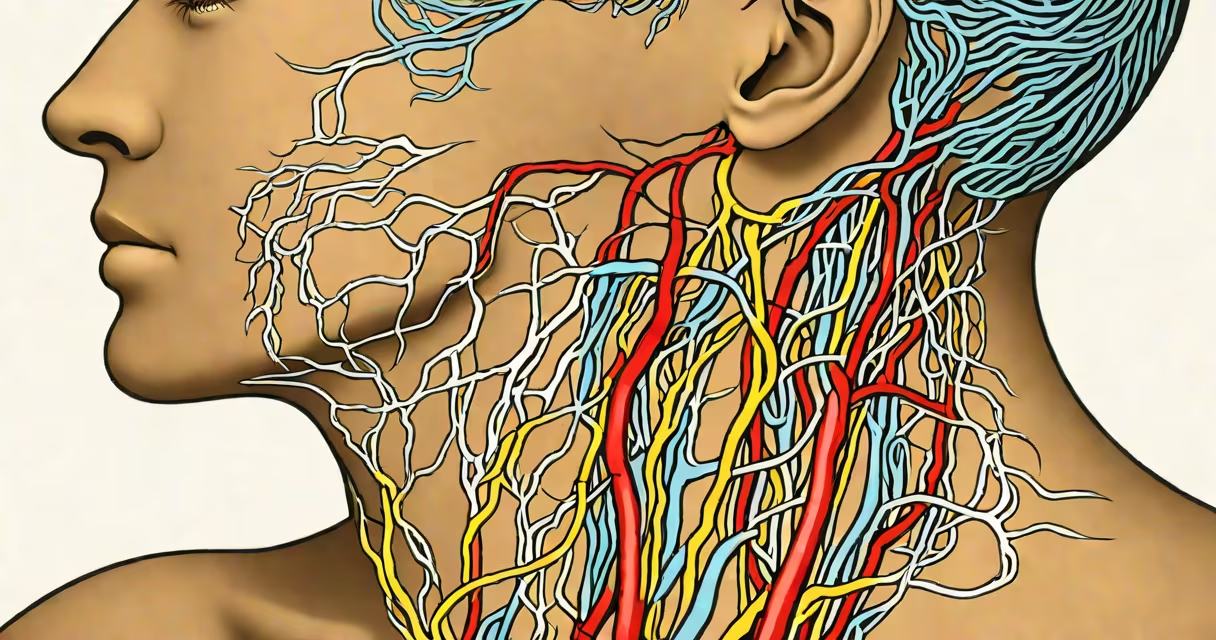
The vagus nerve and vasovagal syncope refer to a physiological response where stimulation of the vagus nerve leads to a sudden drop in heart rate and blood pressure, resulting in brief loss of consciousness. This reflex is responsible for most cases of fainting in otherwise healthy individuals.
The vagus nerve, the tenth cranial nerve, runs from the brainstem through the neck and into the chest and abdomen. It regulates involuntary functions such as heart rate, digestion, and respiratory rate. When overstimulated-often by emotional stress, pain, or prolonged standing-it triggers a useful parasympathetic reaction that slows the heart and dilates blood vessels. This combination reduces blood flow to the brain, causing syncope (fainting).
Vasovagal syncope accounts for approximately 70% of all fainting episodes in clinical settings, according to the American Heart Association. It typically occurs in young adults and children, especially during medical procedures, blood draws, or exposure to traumatic scenes. The episode is usually brief, lasting 10 to 30 seconds, and resolves spontaneously when the person lies down or sits with their legs elevated.
When a trigger activates the sensory fibers of the vagus nerve-such as the sight of blood or intense anxiety-the signal travels to the medulla oblongata in the brainstem. There, it initiates a coordinated response: the heart rate drops sharply due to increased parasympathetic tone, and systemic blood vessels widen (vasodilation). This dual action reduces cardiac output and cerebral perfusion.
Within seconds, the brain's oxygen supply drops below the threshold needed for conscious function. The person loses muscle tone and collapses. Once lying flat, gravity assists blood return to the brain, and circulation normalizes. Recovery is rapid, often within 15 to 60 seconds, with full awareness restored.
A real-world example: A 16-year-old student faints during a school health screening after seeing a needle. She reports feeling dizzy, then warm, then blacked out. After being laid down, she regains consciousness in under a minute. This is classic vasovagal syncope. No structural heart disease was found on follow-up testing.
Common triggers include emotional distress (fear, anxiety), physical stress (pain, prolonged standing), dehydration, heat exposure, and fasting. Certain medications-especially those affecting blood pressure or heart rate-can increase susceptibility.
Some people have recurrent episodes. A study published in *Neurology* found that 20% of patients with documented vasovagal syncope experienced multiple episodes within a year. Recurrence is more likely in individuals with a family history of fainting or those who report prior episodes during childhood.
Vasovagal syncope is not a sign of epilepsy or stroke. It is a benign reflex in most cases. However, it can mimic serious conditions. Misdiagnosis occurs in up to 15% of initial evaluations, according to the European Society of Cardiology guidelines.
While vasovagal syncope is the most common cause of fainting, it is often confused with other forms of syncope. The table below outlines key differences:
| Type | Trigger | Heart Rate During Episode | Associated Conditions |
|---|---|---|---|
| Vasovagal syncope | Emotional stress, pain, standing | Slow (bradycardia) | Healthy individuals, adolescents |
| Cardiac syncope | Arrhythmias, structural heart disease | Variable (can be fast or slow) | Heart failure, cardiomyopathy |
| Orthostatic hypotension | Standing up quickly | Normal or slightly low | Dehydration, Parkinson's, medication side effects |
A key distinction: in vasovagal syncope, the drop in blood pressure precedes the bradycardia. In cardiac syncope, arrhythmias may cause both simultaneously. This timing difference is critical for diagnosis.
One non-obvious fact: the prodromal phase-dizziness, nausea, sweating-can last up to 30 seconds before collapse. Some people learn to recognize these warning signs and take preventive action, such as lying down or tensing muscles.
Most individuals with vasovagal syncope do not require medication. Lifestyle adjustments are primary. These include increasing salt and fluid intake, avoiding known triggers, and practicing counter-pressure maneuvers-such as crossing legs or squeezing hands tightly-when early symptoms appear.
For those with frequent episodes, a tilt-table test may be performed to confirm the diagnosis. If positive, treatment options include beta-blockers or fludrocortisone in selected cases. However, evidence from the *Journal of the American College of Cardiology* shows that only 10% of patients with recurrent vasovagal syncope benefit from pharmacological therapy.
I once observed a patient who fainted twice during a routine vaccination. After learning to lie down immediately upon feeling lightheaded, he avoided further episodes over six months. His experience highlights that behavioral strategies are often sufficient.
Understanding the vagus nerve and vasovagal syncope clarifies that fainting is not a mental weakness or a sign of poor fitness. It is a protective reflex gone too far. With proper recognition and management, most people live normally without restrictions.