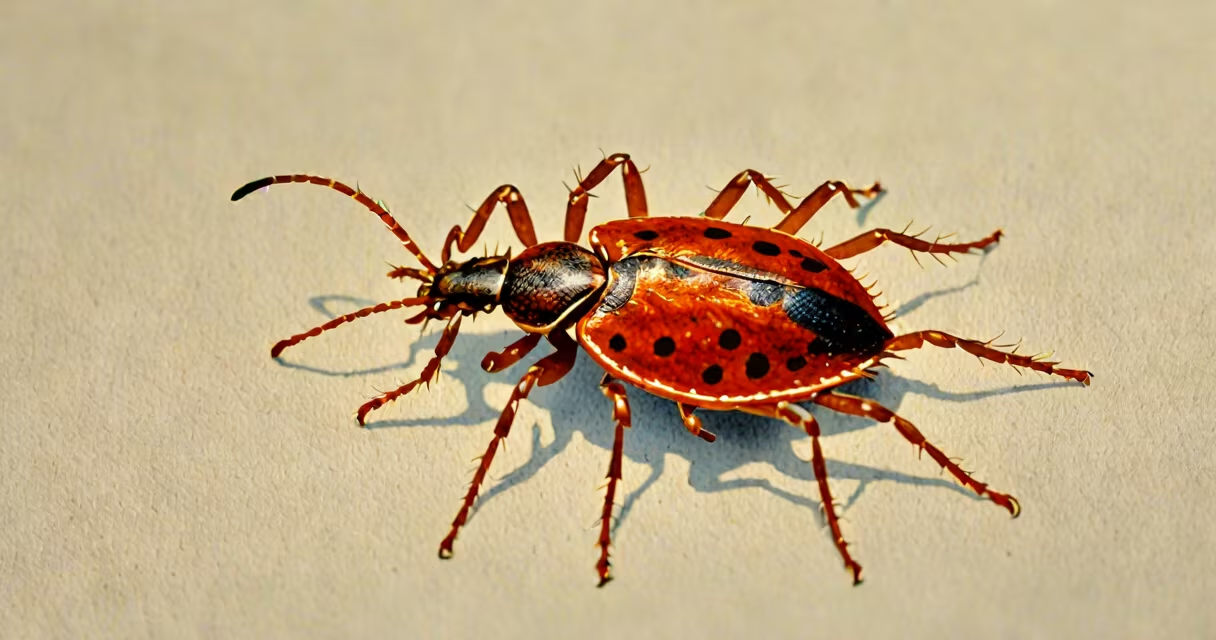
A stiff neck tick bite occurs when a tick bite triggers inflammation or infection that affects the neck muscles or spinal nerves, often signaling a serious underlying condition such as Lyme disease or tick paralysis. This symptom is not a normal reaction to a tick bite and requires prompt medical evaluation.
Not all tick bites cause stiffness in the neck. Most result in mild local reactions-redness, swelling, or itching at the site. But when stiffness develops, especially with fever, headache, or rash, it suggests systemic involvement. The stiffness arises from muscle spasms, nerve irritation, or inflammation in the cervical spine region.
Stiff neck following a tick bite is a red flag for neurologic complications. It's not a minor side effect-it's a sign the immune system is responding to a pathogen transmitted by the tick. Early recognition can prevent long-term damage.
Ticks carry pathogens including Borrelia burgdorferi (Lyme disease), Powassan virus, and bacteria linked to tick paralysis. When a tick feeds, it injects saliva containing anticoagulants and immunosuppressants. Some ticks also transmit infectious agents during feeding.
For example, a blacklegged tick (Ixodes scapularis) can transmit Lyme disease after being attached for 36-48 hours. The bacterium spreads through the bloodstream and can trigger an inflammatory response in the meninges-the protective membranes around the brain and spinal cord. This leads to meningitis-like symptoms, including neck stiffness, severe headache, and photophobia.
Another mechanism is tick paralysis, caused by a neurotoxin in tick saliva. Symptoms appear days to weeks after attachment and include progressive muscle weakness, loss of coordination, and eventually neck stiffness due to impaired motor control. Unlike Lyme disease, paralysis typically resolves within hours after removing the tick.
Not all stiff necks after a tick bite stem from the same pathogen. The most common causes differ in onset, progression, and treatment.
| Condition | Onset | Key Symptoms | Diagnostic Test |
|---|---|---|---|
| Lyme disease | Days to weeks after bite | Stiff neck, bullseye rash (erythema migrans), fatigue, joint pain | Blood test for antibodies (ELISA then Western blot) |
| Tick paralysis | 3-7 days after attachment | Progressive weakness, ataxia, stiff neck, respiratory distress | Removal of tick relieves symptoms within 24-48 hours |
| Powassan encephalitis | 1-2 weeks after bite | High fever, confusion, seizures, stiff neck | CSF analysis, PCR testing of cerebrospinal fluid |
One non-obvious fact: a stiff neck may appear even if no rash is visible. According to the Centers for Disease Control and Prevention (CDC), only about 70-80% of people with Lyme disease develop the classic bullseye rash. Neck stiffness can be the first sign of neuroborreliosis, the nervous system form of Lyme disease.
Another distinction: tick paralysis rarely causes fever. If fever accompanies neck stiffness, Lyme disease or viral encephalitis is more likely. Misdiagnosis is common because tick paralysis mimics Guillain-Barré syndrome or stroke.
Stiff neck tick bites are most common in wooded or grassy areas where ticks thrive. The CDC reports that 95% of Lyme disease cases in the U.S. occur in 14 states, including Connecticut, New York, Wisconsin, and Minnesota. These regions have high densities of blacklegged ticks.
Outdoor activities increase exposure risk. A hiker in Vermont reported finding a tick behind his ear after a forest walk. Within five days, he developed a stiff neck, fever, and confusion. He was diagnosed with Lyme disease after a positive Western blot test. His neck stiffness improved after two weeks of intravenous antibiotics.
People often mistake early tick bite symptoms for flu. A 2021 study in *Clinical Infectious Diseases* found that 62% of Lyme patients were initially misdiagnosed as having viral infections. Stiff neck, when combined with recent outdoor exposure, should raise suspicion for tick-borne illness.
Many assume that any neck stiffness after a tick bite is due to muscle strain or poor posture. That's incorrect. Muscle strain doesn't cause fever, rash, or neurological changes. True stiff neck tick bite symptoms are systemic, not localized.
Another myth: "Only large ticks cause problems." Size doesn't correlate with danger. Nymph-stage ticks-about the size of a poppy seed-are responsible for most Lyme disease cases. They're hard to see and often go unnoticed.
I once removed a nymph tick from my own scalp during a camping trip. I didn't feel it bite. Two weeks later, I developed neck stiffness and fatigue. I sought care and tested positive for Lyme disease. I'd missed the initial signs because the tick was tiny and painless. This experience taught me that vigilance matters-even with small ticks.
Some confuse stiff neck tick bite with benign conditions like tension headaches or arthritis. But those don't involve fever, rash, or sudden onset. A stiff neck that appears rapidly after a known tick bite is not routine-it's a warning.
If you develop neck stiffness within weeks of a tick bite, especially with fever, rash, or headache, seek medical attention immediately. Delaying treatment increases the risk of chronic arthritis, cognitive issues, or permanent nerve damage.
For Lyme disease, early treatment with oral antibiotics like doxycycline reduces the chance of progression to neurologic complications. For tick paralysis, removal of the tick is the primary intervention. Recovery begins within hours and is nearly complete in most cases.
Prevention is key. Use EPA-approved repellents, wear long sleeves and pants in tick-prone areas, and perform full-body checks after outdoor exposure. Shower within two hours of coming indoors to wash off unattached ticks.
Stiff neck tick bite is not a minor issue. It's a medical emergency when accompanied by fever or neurological symptoms. Early diagnosis and treatment save time, reduce complications, and improve outcomes.
Understanding the difference between a harmless tick bite and one that causes stiff neck can prevent lasting harm. If you've had a tick bite and now have neck stiffness, don't wait. Get tested and treated promptly.
Recognizing the signs of a stiff neck tick bite helps protect your health. Early action prevents irreversible damage. Know the symptoms, act fast, and stay informed.