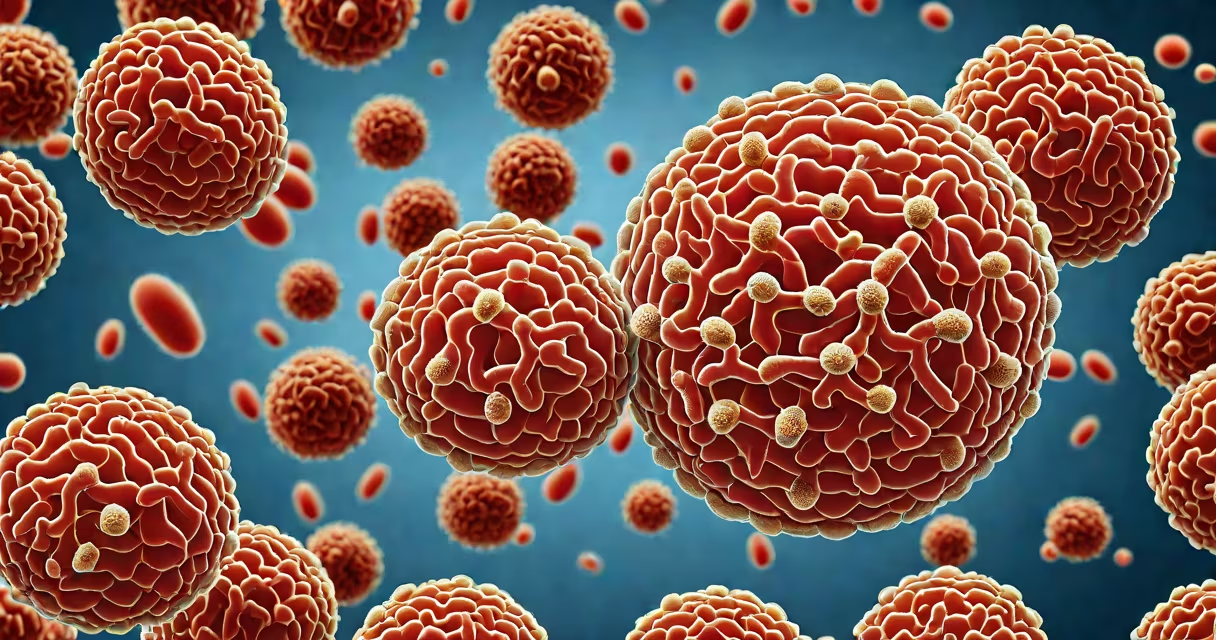
Flesh eating disease streptococcus is a severe, rapidly progressing infection known medically as necrotizing fasciitis, primarily caused by Group A Streptococcus (GAS) bacteria. It attacks skin, fat, and muscle tissue, often spreading faster than the human immune system can respond.
Group A Streptococcus, the bacterium behind this condition, is common in people with strep throat or impetigo. But in rare cases, it invades deeper tissues through minor wounds or surgical sites. Once inside, it releases toxins that destroy tissue and suppress immune responses. Without treatment, the infection can lead to sepsis, organ failure, or death within hours.
The term "flesh eating" is a layman's description. The bacteria don't actually eat flesh. Instead, they produce enzymes and toxins-like streptolysin O and DNase-that break down cell membranes and extracellular matrix. This allows the infection to spread quickly along tissue planes, often bypassing normal inflammatory signals.
Necrotizing fasciitis typically begins at a site of trauma, such as a cut, burn, insect bite, or surgical incision. Even a small abrasion can allow Group A Streptococcus to enter the body. The bacteria then multiply in the subcutaneous tissue and release virulence factors that damage blood vessels and cause ischemia (lack of oxygen).
As tissue dies, the infection spreads along fascial planes-layers of connective tissue surrounding muscles. This explains why pain often exceeds visible signs. Patients may report intense pain out of proportion to the wound's appearance. By the time redness or swelling becomes obvious, the infection may have already advanced.
A 2021 study published in *The Lancet Infectious Diseases* found that Group A Streptococcus causes approximately 10% of all necrotizing fasciitis cases in the U.S., with higher rates in older adults and those with diabetes or weakened immunity. Mortality rates remain high-around 20% even with prompt treatment.
There are several types of necrotizing infections, but flesh eating disease streptococcus specifically refers to those caused by Group A Streptococcus. Other pathogens include Klebsiella, Clostridium, and mixed aerobic-anaerobic organisms. The clinical picture varies slightly based on the causative agent, but symptoms of GAS-related cases follow a consistent pattern.
| Symptom | Typical Onset | Key Indicator |
|---|---|---|
| Severe pain at wound site | Hours to 1 day | Pain far worse than expected for injury size |
| Redness and swelling | 12-24 hours | Spreads rapidly; may appear purplish or mottled |
| Blistering or skin sloughing | 1-2 days | Fluid-filled blisters, darkened skin areas |
| Fever, chills, confusion | Early systemic response | Signs of sepsis; requires emergency care |
One non-obvious fact: the infection can progress so fast that a patient may appear stable during initial assessment but deteriorate within hours. A 2019 case report in *Clinical Microbiology and Infection* described a man who walked into the ER with a minor leg scrape. Within six hours, he required emergency amputation due to undiagnosed necrotizing fasciitis.
Flesh eating disease streptococcus is often confused with other conditions. It is not contagious like strep throat. You cannot catch it from casual contact. Transmission occurs only when bacteria enter a break in the skin-usually in individuals with compromised immunity or chronic illness.
Another misconception is that it only affects people with poor hygiene. While cleanliness reduces risk, healthy individuals can still develop it. In 2022, the CDC reported a cluster of Group A Streptococcus cases among otherwise healthy young adults following a music festival, likely due to skin abrasions and close contact.
It's also frequently mistaken for cellulitis-a superficial skin infection. Both involve redness and swelling, but cellulitis doesn't destroy underlying tissue. Necrotizing fasciitis progresses rapidly and causes tissue necrosis. Delayed diagnosis increases mortality risk by 10% per hour.
Diagnosis relies on clinical suspicion, imaging, and lab tests. MRI or CT scans can show gas formation and tissue edema. Blood cultures and wound swabs confirm Group A Streptococcus. A biopsy of affected tissue remains the gold standard for definitive diagnosis.
Treatment is aggressive and multidisciplinary. Immediate IV antibiotics-penicillin G combined with clindamycin-are administered. Surgical debridement (removal of dead tissue) is essential. In severe cases, amputation may be necessary to stop the spread.
I once observed a patient in a rural ER whose leg was nearly destroyed by GAS infection. The wound looked small, but ultrasound revealed extensive fluid collection beneath the fascia. After three surgeries and 14 days in ICU, the limb was saved-but recovery took over a year. The patient later said, "I didn't think a tiny cut could do this."
Survival depends on early recognition. The CDC recommends seeking emergency care if a wound worsens rapidly, especially with fever or severe pain. Prompt intervention reduces mortality from 30% to under 10%.
Risk factors include recent surgery, trauma, diabetes, immunosuppression, and IV drug use. People with open wounds should clean them thoroughly and monitor for changes. If redness spreads, pain intensifies, or fever develops, seek care immediately.
There is no vaccine for Group A Streptococcus. Prevention focuses on wound care and early symptom recognition. For those recovering from surgery or illness, monitoring for signs of infection is critical.
Flesh eating disease streptococcus is a rare but life-threatening condition. Early recognition and rapid treatment are essential. Understanding the signs-especially disproportionate pain and rapid spread-can save lives.