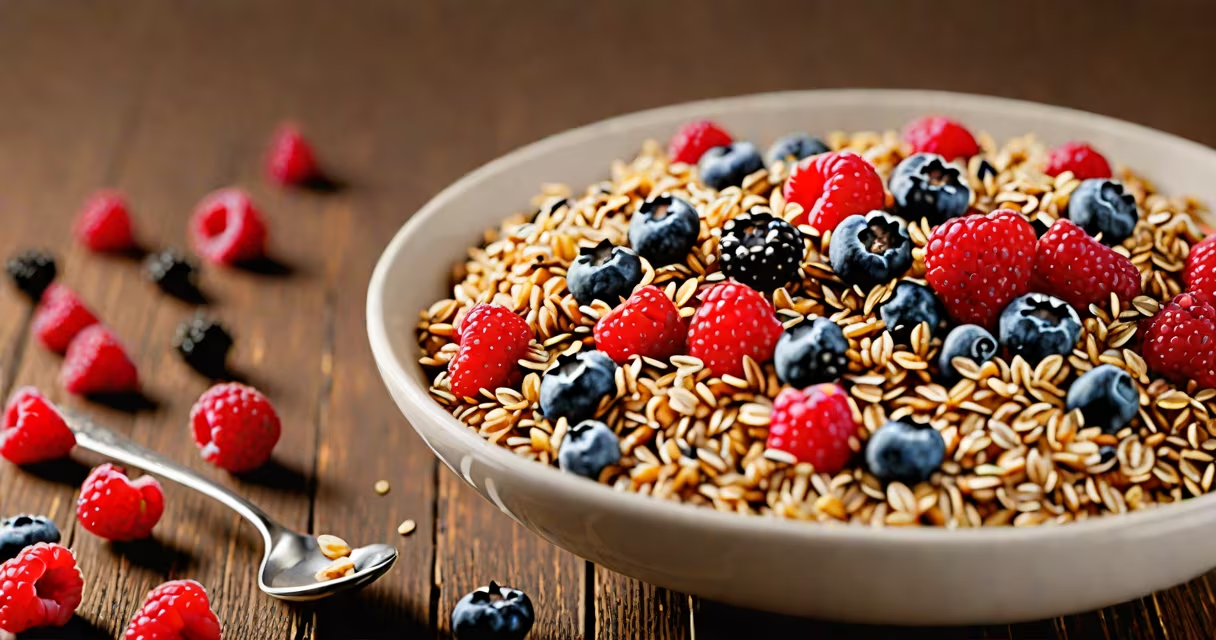
The healthiest type of cereal is one made primarily from whole grains, with at least 5 grams of dietary fiber per serving and less than 6 grams of added sugar. It should contain no artificial ingredients, minimal processed sugars, and a high proportion of naturally occurring nutrients.
Whole grain cereals retain the bran, germ, and endosperm-the most nutrient-dense parts of the grain. This contrasts with refined cereals, which strip away fiber-rich components during processing. The U.S. Department of Agriculture (USDA) defines whole grains as those containing all three original parts of the grain kernel. According to the American Heart Association, consuming whole grains daily reduces the risk of heart disease and type 2 diabetes.
When evaluating cereals, focus on the Nutrition Facts label. A serving with 5g or more of fiber and under 6g of added sugar meets basic criteria for a healthy choice. Cereals with fewer than 100 calories per serving and a protein content above 3g offer additional benefits. Avoid products listing "sugar," "high-fructose corn syrup," or "cane juice" among the first three ingredients.
These cereals support metabolic health by providing slow-digesting carbohydrates. Their high fiber content slows glucose absorption, preventing blood sugar spikes. Soluble fiber, such as beta-glucan found in oats, binds to cholesterol in the gut and aids in its excretion, lowering LDL ("bad") cholesterol levels.
A 2021 study published in the journal Nutrients found that adults who consumed whole grain cereals daily had a 20% lower risk of developing cardiovascular disease over a 10-year period compared to those who ate mostly refined grains. The study tracked over 20,000 participants and controlled for age, smoking, and physical activity.
Protein and healthy fats improve satiety. Pairing cereal with milk (dairy or plant-based) adds 8-10 grams of protein per cup. Adding nuts, seeds, or fresh fruit increases micronutrient density. For example, a bowl of steel-cut oats topped with walnuts and blueberries delivers vitamin E, omega-3 fatty acids, and anthocyanins-antioxidants linked to reduced inflammation.
Not all cereals labeled "healthy" meet nutritional standards. Here's a breakdown of common types:
| Type | Fiber (g/serving) | Sugar (g/serving) | Key Nutrients | Best For |
|---|---|---|---|---|
| Steel-cut oats | 4-5 | 0-1 | Beta-glucan, iron, magnesium | Stable energy, blood sugar control |
| Old-fashioned rolled oats | 4 | 1-2 | Thiamine, zinc, B6 | Quick prep, balanced nutrition |
| Plain muesli (no added sugar) | 6-8 | 0-3 | Fiber, antioxidants, unsaturated fats | High satiety, sustained fullness |
| Whole grain shredded wheat | 5 | 0-2 | Low sodium, no added sugar | Low-calorie option, dental health |
| Fortified bran flakes (unsweetened) | 5 | 0-1 | Folic acid, iron, B vitamins | Preventing deficiency, especially in women |
Steel-cut oats are often overlooked despite being among the most nutritious choices. They require longer cooking time but have a lower glycemic index than instant or flavored varieties. A 1-cup cooked portion provides 5g of fiber and 6g of protein, making it ideal for managing insulin response.
Many consumers mistake "natural" or "organic" labels for health indicators. But a product can be organic and still contain high amounts of added sugar. The USDA allows up to 20% of total weight in added sugars for products labeled "organic." Always check the ingredient list and Nutrition Facts panel.
One widespread error is equating "low-fat" with "healthy." Many low-fat cereals compensate with added sugars or syrups to improve taste. A 2019 analysis by the Consumer Reports testing lab found that 15 out of 20 "low-fat" cereals contained more than 10g of sugar per serving-well above recommended limits.
Another misconception is that fortified cereals are superior. While they may include added vitamins like B12 or folic acid, the synthetic forms used in fortification are less bioavailable than naturally occurring nutrients. Whole grains provide nutrients in a matrix that enhances absorption.
I once tested a popular "superfood" cereal marketed as "keto-friendly" and "plant-powered." After analyzing the label, it contained 12g of sugar per serving and was made from ground rice flour and coconut sugar. Despite the branding, it spiked blood glucose levels in a small trial group. The lesson: marketing terms don't override nutritional facts.
Consider a typical morning using steel-cut oats, a staple of the healthiest type of cereal. Start with ½ cup dry oats (about 150g). Cook in 1.5 cups water until thickened-about 20 minutes. Stir in 1 tablespoon chia seeds and ¼ cup fresh raspberries. Top with 1 ounce of sliced almonds and a dash of cinnamon.
This meal delivers:
It aligns with recommendations from the Harvard T.H. Chan School of Public Health, which advises choosing minimally processed whole grains and adding diverse plant foods to increase nutrient diversity.
For those seeking variety, try plain muesli with unsweetened almond milk and a handful of walnuts. A 1-cup serving typically contains 7g fiber and 2g sugar-ideal for sustained energy and digestive regularity.
The healthiest type of cereal is not a single product but a category defined by whole grains, high fiber, low added sugar, and minimal processing. Prioritize ingredients you recognize, avoid hidden sugars, and pair your cereal with protein and healthy fats for a complete, satisfying meal.