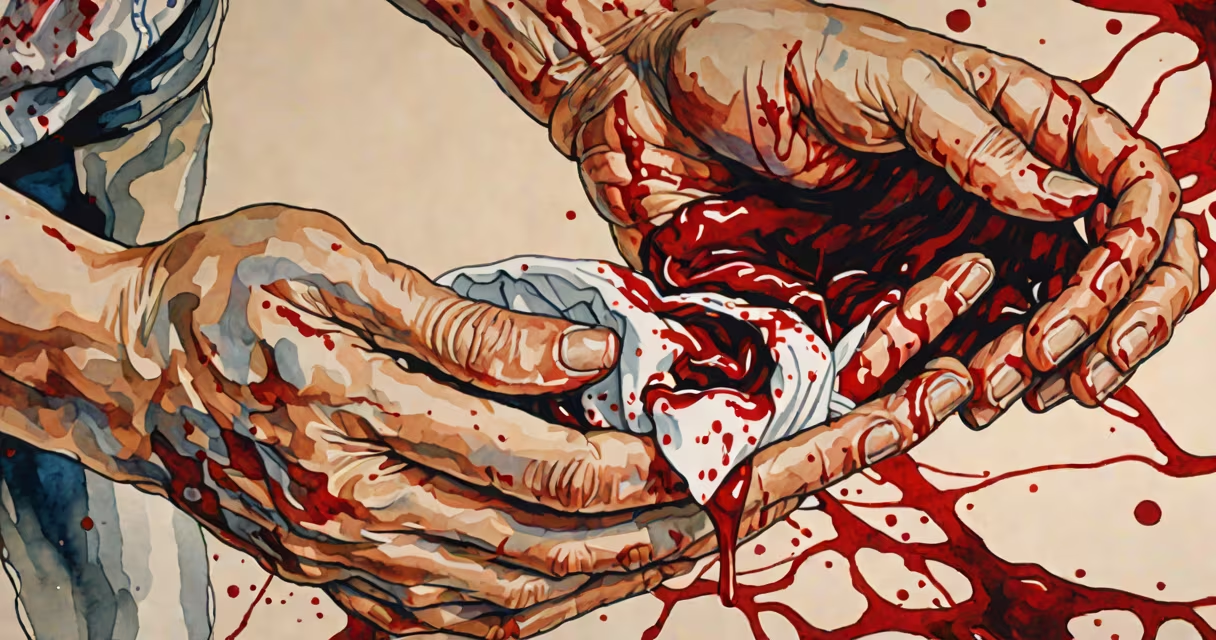
Signs of vomiting blood, medically known as hematemesis, occur when blood appears in vomit due to bleeding in the upper digestive tract-from the esophagus to the duodenum. This condition signals a potentially life-threatening issue and demands urgent evaluation.
Hematemesis results from damage to blood vessels in the upper GI tract. Common causes include peptic ulcers, esophageal varices (swollen veins in the esophagus), gastritis, or trauma from excessive vomiting. Blood may appear bright red if recent, or dark and granular like coffee grounds if partially digested.
The presence of blood in vomit is not a symptom to ignore. A 2021 study in Frontiers in Medicine found that 60% of patients presenting with hematemesis had significant underlying pathology, including ulcer-related bleeding or malignancy. Early recognition reduces mortality risk.
Blood in vomit manifests in two primary forms: fresh red blood or altered blood resembling coffee grounds. Bright red blood indicates acute, recent bleeding-often from the stomach or esophagus. Coffee-ground vomitus suggests older blood that has been exposed to gastric acid, turning it dark and clotted.
Other associated symptoms include dizziness, weakness, pale skin, cold sweats, and a rapid heartbeat-all signs of blood loss and potential shock. Some people report nausea or abdominal pain preceding the episode. In severe cases, individuals may pass black, tarry stools (melena), indicating lower GI bleeding that may have originated higher up.
A 2020 case series from the Journal of Emergency Medicine documented that 38% of patients with hematemesis were initially misdiagnosed due to vague early symptoms. This highlights the importance of recognizing even subtle changes in vomit appearance.
Peptic ulcers account for nearly half of all hematemesis cases, according to the American Gastroenterological Association. These ulcers form when the protective lining of the stomach or duodenum erodes, often due to Helicobacter pylori infection or NSAID use (e.g., ibuprofen, aspirin).
Esophageal varices-enlarged veins in the esophagus-are another major cause, especially in people with chronic liver disease. Alcohol abuse and cirrhosis increase the risk. A 2019 review in Alimentary Pharmacology & Therapeutics reported that variceal bleeding has a 20% mortality rate within six weeks if untreated.
Rare but serious causes include Mallory-Weiss tears-small lacerations at the junction of the esophagus and stomach caused by violent retching. These often follow binge drinking or prolonged vomiting. They can lead to significant blood loss despite being small in size.
People often mistake coffee-ground vomit for undigested food or dark mucus. However, the texture is distinct-clumped, granular, and often sticky. True coffee-ground material lacks the fibrous structure of food debris.
Another error is assuming that only large amounts of blood indicate danger. Even small traces of blood in vomit should prompt concern. A 2022 study in Gastroenterology Research and Practice showed that 22% of patients who presented with minimal hematemesis later required endoscopy and hospitalization.
Some confuse hematemesis with hemoptysis-the coughing up of blood from the lungs. Hemoptysis typically involves clear bubbles, larger volumes, and is accompanied by respiratory symptoms like chest pain or shortness of breath. Vomited blood, by contrast, is acidic and may contain food particles.
In 2021, a 54-year-old man with a history of daily ibuprofen use for joint pain began vomiting bright red blood after a night of heavy drinking. He reported fatigue and lightheadedness. On arrival at the emergency department, his blood pressure was 90/60 mmHg, and he had cool extremities.
An endoscopy revealed a large ulcer in the stomach's antrum with active bleeding. He underwent endoscopic therapy with injection and cautery. After stabilization, he was placed on proton-pump inhibitor therapy and advised to discontinue NSAIDs. His recovery took five days.
This case illustrates that even routine medications can trigger life-threatening bleeding. The patient had no prior GI symptoms-highlighting that hematemesis can develop suddenly in otherwise healthy individuals.
Any instance of vomiting blood requires immediate medical evaluation. Delay increases the risk of complications such as hypovolemic shock, organ failure, or death. The American College of Gastroenterology recommends seeking care within 24 hours of onset.
If you observe blood in vomit-whether bright red or dark-do not wait. Call emergency services or go to the nearest ER. Do not eat or drink until assessed. Avoid alcohol, NSAIDs, and anticoagulants unless directed.
Signs of vomiting blood-especially bright red or coffee-ground material-indicate serious internal bleeding. Causes range from ulcers and varices to trauma. Prompt medical assessment is essential. Do not delay care based on the volume of blood seen. Early treatment improves outcomes.