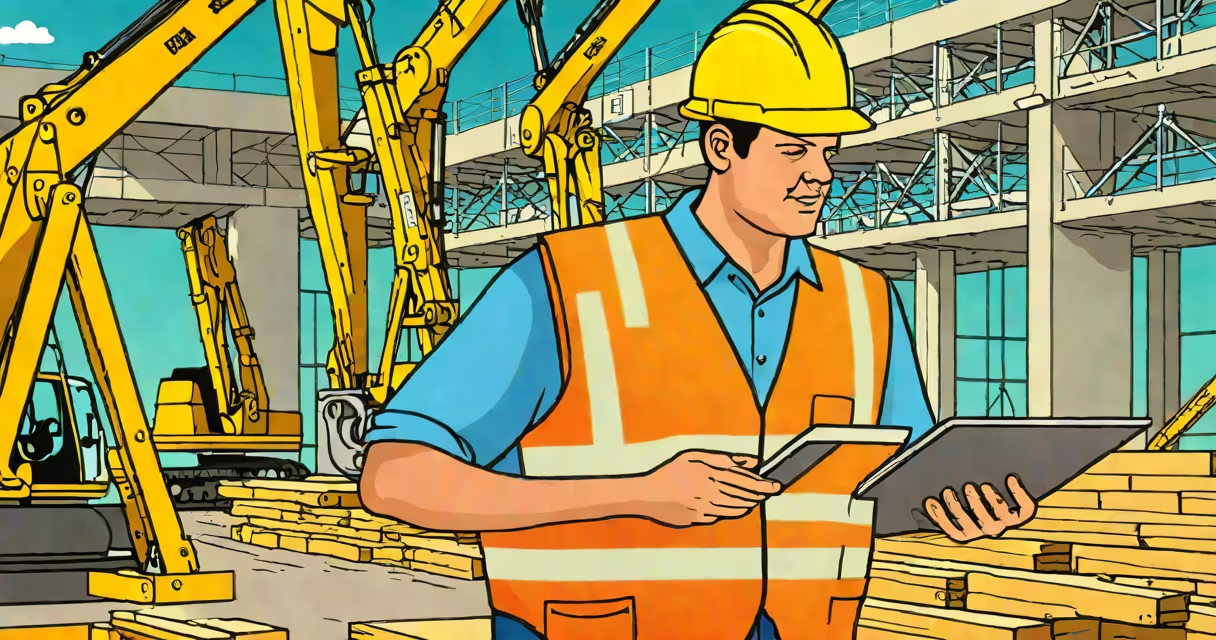
Safety in the workplace means eliminating or reducing exposure to hazards that could cause injury, illness, or death during job tasks. It involves engineering controls, administrative procedures, personal protective equipment, and consistent training to maintain a secure environment for all employees.
Workplace safety is not a single action but a continuous system of risk assessment, intervention, monitoring, and improvement. It applies equally to factory floors, office cubicles, and remote work setups. The goal is to prevent harm before it occurs, not just respond after an incident.
The Occupational Safety and Health Administration (OSHA) defines safety as "the condition of being protected from or unlikely to cause danger, risk, or injury." This standard guides employers in designing workplaces that meet federal requirements and protect workers' long-term health.
Organizations implement safety through layered strategies. At the foundation is hazard identification-spotting potential dangers like exposed wiring, slippery floors, or repetitive motion strain. Once identified, the next step is risk evaluation: determining how likely an incident is and how severe the outcome could be.
After evaluation, control measures are applied using the hierarchy of controls. Engineering controls-such as machine guards or ventilation systems-are preferred because they remove the hazard at the source. Administrative controls, like limiting shift length or rotating tasks, reduce exposure time. PPE such as gloves, goggles, or respirators act as last-line protection.
A real-world example: A warehouse uses automated conveyor belts to move heavy boxes. Without safety rails or emergency stop buttons, workers risk getting caught in moving parts. Installing physical barriers and requiring operators to use lockout-tagout procedures reduces the chance of entanglement. These changes align with OSHA's 29 CFR 1910.147, which mandates energy control during maintenance.
Workplace safety covers multiple domains. Physical safety prevents slips, falls, and machinery accidents. Ergonomic safety reduces musculoskeletal disorders from poor workstation design. Mental health safety addresses stress, burnout, and harassment through supportive policies and reporting systems.
Organizations often categorize safety programs into four types:
| Type | Description | Example |
|---|---|---|
| Preventive | Proactive steps to stop incidents before they occur. | Monthly equipment inspections. |
| Corrective | Actions taken after an incident to fix root causes. | Revising a procedure after a near-miss report. |
| Protective | Use of PPE or barriers to shield workers. | Wearing hearing protection in a noisy factory. |
| Training-based | Education to build awareness and skill. | Annual CPR and first aid certification. |
One non-obvious distinction: safety is not the same as compliance. An employer may follow all OSHA regulations yet still have unsafe conditions. For example, a company meets minimum PPE standards but fails to train staff on proper usage. Workers wear masks but don't seal them correctly, leaving them vulnerable to airborne particles.
According to NIOSH (National Institute for Occupational Safety and Health), nearly 5,000 U.S. workers died on the job in 2022. Of those, 60% involved transportation incidents, and 25% were related to falls. These numbers show that even regulated industries face preventable deaths due to gaps in implementation-not just oversight.
Safety is critical in high-risk environments like construction, mining, manufacturing, and healthcare. But it's equally important in offices, call centers, and remote roles. A study by the American Psychological Association found that 70% of employees reported higher productivity when they felt psychologically safe at work.
Financial impact matters too. The CDC estimates that workplace injuries cost U.S. businesses $171 billion annually in direct and indirect expenses. Costs include medical bills, lost wages, legal fees, and downtime. Companies with strong safety cultures see 40% lower accident rates and 25% higher employee retention, according to a 2023 report by the National Safety Council.
I once observed a small manufacturing plant where a worker was injured after bypassing a safety interlock on a press machine. The supervisor had encouraged shortcuts to meet production targets. After the incident, the company installed automated sensors and revised performance metrics to prioritize safety over speed. Within six months, downtime dropped by 30%, and team morale improved.
People often confuse safety with comfort or convenience. A worker might feel safe because the office has ergonomic chairs and soft lighting-but if the fire exit is blocked, the space remains unsafe. Safety requires measurable, enforceable standards, not subjective feelings.
Another error: assuming safety is solely the responsibility of HR or safety officers. While these roles lead programs, every employee contributes. A technician who reports a frayed cable, a manager who pauses a task to verify a procedure, or a team member who speaks up about fatigue-all are part of the safety chain.
Some believe safety slows progress. In reality, well-designed safety systems improve efficiency. A 2021 study published in the Journal of Occupational and Environmental Medicine showed that factories with structured safety audits had 18% fewer production delays than those without.
Finally, safety in the workplace is not static. New technologies introduce new risks-like automation errors or AI bias in hiring tools. Continuous review and adaptation are essential. What worked in 2010 may fail today due to evolving work models and emerging hazards.
Understanding what safety in the workplace means enables organizations to build systems that protect lives, reduce costs, and support sustainable operations. It's not just about avoiding fines-it's about ensuring people return home unharmed each day.