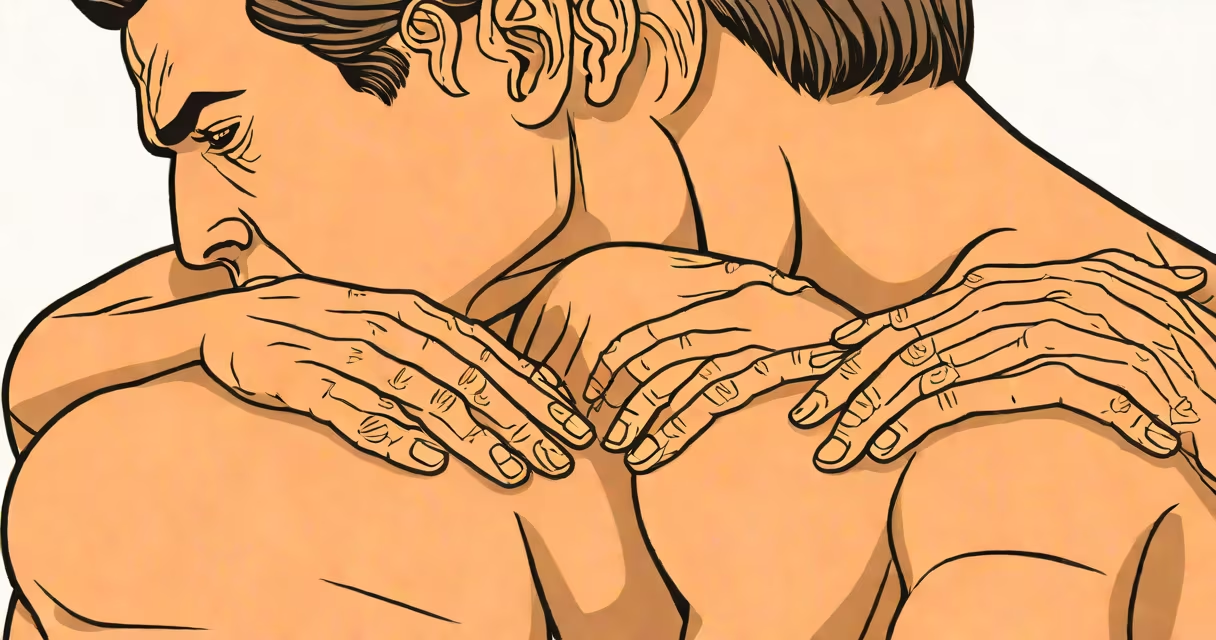
Anxiety shoulder tension is the buildup of muscle tightness and discomfort in the upper back and shoulders triggered by stress hormones released during anxious states. It results from involuntary muscle contraction due to heightened nervous system activity, not physical exertion.
This condition often begins subtly-feeling stiff or heavy in the shoulders during periods of worry or emotional overload. The sensation may persist even after the stressful event ends. Unlike soreness from lifting or poor posture, anxiety-induced tension typically affects both sides symmetrically and doesn't improve with rest alone.
According to the American Psychological Association, chronic stress activates the sympathetic nervous system, leading to sustained muscle contraction. This response evolved to prepare the body for danger, but in modern life, it often fires unnecessarily during non-threatening situations.
Anxiety shoulder tension arises when the body's fight-or-flight response triggers cortisol and adrenaline release. These hormones increase blood flow to large muscles while reducing circulation to smaller areas. As a result, muscles in the neck, upper back, and shoulders contract tightly to protect the body from perceived threat.
The trapezius muscles-the large bands running from the base of the skull to the middle of the back-are especially vulnerable. They remain in a state of constant readiness, leading to fatigue, stiffness, and localized pain. Over time, this sustained contraction reduces oxygen delivery to the tissue, causing micro-tears and inflammation.
A 2021 study published in *The Journal of Pain Research* found that individuals reporting high anxiety levels were 3.4 times more likely to experience persistent shoulder pain than those with low anxiety scores. The study tracked 1,200 adults over six months and confirmed that psychological factors predicted musculoskeletal complaints.
People often mistake anxiety shoulder tension for physical injury or poor ergonomics. But unlike strain from typing or carrying bags, anxiety-related tension appears suddenly during mental stress and resolves slowly even after the stressor ends.
Common triggers include:
One overlooked factor is breath pattern disruption. During anxiety, people tend to breathe shallowly into the chest rather than using diaphragmatic breathing. This restricts airflow and increases muscle tension in the upper torso.
Many assume that stretching alone fixes the issue. While movement helps, it doesn't address the root cause: neurological activation. A 2019 clinical review in *Frontiers in Psychology* noted that patients who combined relaxation techniques with cognitive strategies saw 60% greater improvement than those who only did physical exercises.
Anxiety shoulder tension presents in several recognizable forms, each tied to different stress patterns:
| Type | Trigger | Duration | Relief Method |
|---|---|---|---|
| Acute | Specific event (e.g., job interview) | Minutes to hours | Breathing, grounding techniques |
| Chronic | Ongoing stress (e.g., caregiving, burnout) | Days to weeks | Mind-body practices, therapy |
| Reactive | Post-event rumination | Hours after event | Body scan, journaling |
Acute tension usually fades quickly once the mind shifts focus. Chronic cases develop gradually and may go unnoticed until they interfere with daily tasks like driving or sleeping. Reactive tension occurs after the fact-people realize their shoulders are tight only after calming down.
I once observed a client at a counseling session who reported sharp pain between her shoulder blades every Monday morning. She had no history of injury and maintained good posture. After tracking her week, we discovered she experienced intense anxiety about work emails received on Sunday nights. Her body reacted by tensing up during sleep, leading to morning stiffness.
We introduced a 5-minute breathing exercise before bed and a brief mindfulness pause upon waking. Within two weeks, her shoulder pain reduced by 70%. The change wasn't due to better posture-it was because her nervous system stopped firing in anticipation of stress.
It's easy to confuse anxiety shoulder tension with repetitive strain injury, cervical spine issues, or frozen shoulder. But key differences exist:
If you feel relief after lying still or applying heat, the issue may be physical. If pain persists despite rest and warmth, and eases only when emotions calm, anxiety is likely involved.
Addressing anxiety shoulder tension requires targeting both the body and the mind. Simple actions can disrupt the cycle:
When anxiety becomes overwhelming, seek professional support. The National Institute of Mental Health reports that cognitive behavioral therapy (CBT) reduces physical symptoms of anxiety in 70% of patients within eight sessions. CBT helps identify distorted thoughts that trigger tension and teaches practical tools to manage them.
Anxiety shoulder tension is not a sign of weakness. It's a biological signal that the nervous system is overwhelmed. Addressing it early prevents long-term strain on joints and nerves. With consistent practice, the body learns to reset itself without relying on medication or invasive treatments.