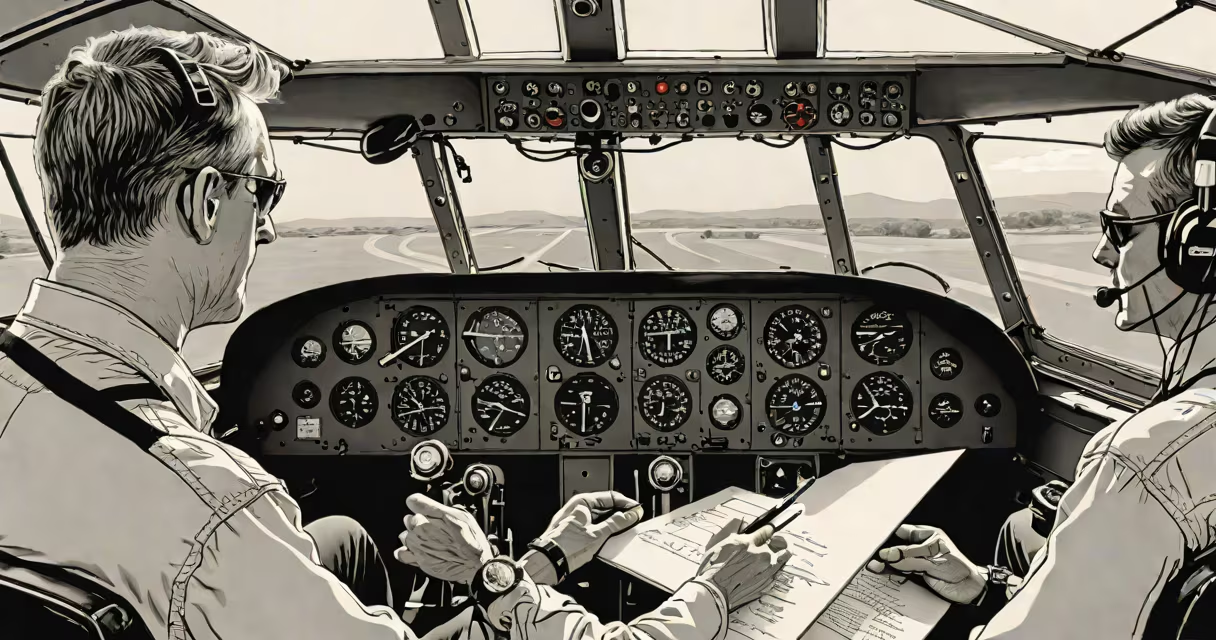
To become a flying instructor, you must hold a commercial pilot certificate with instrument rating, accumulate 250 logged flight hours, pass written and practical exams, and complete FAA-approved training specific to teaching aviation fundamentals.
Flying instructors teach students to fly aircraft safely and effectively. They prepare learners for pilot licenses and endorsements through ground instruction and flight practice. Their role includes evaluating performance, correcting errors, and maintaining compliance with Federal Aviation Administration (FAA) standards. Instructors work in flight schools, aviation academies, or independently, often specializing in single-engine, multi-engine, or instrument flight training.
The process begins with earning a private pilot license (PPL), which requires a minimum of 40 flight hours under Part 61 or 35 under Part 141. After obtaining a PPL, pilots pursue a commercial pilot certificate with instrument rating. This stage demands 250 total flight hours, including 100 hours as pilot-in-command and 50 hours of cross-country time. Only then can a pilot apply for flight instructor certification.
| Requirement | Part 61 (Standard) | Part 141 (School-Based) |
|---|---|---|
| Minimum flight hours | 250 | 190 |
| Ground school | Self-study or independent courses | Structured curriculum with scheduled classes |
| Flight training structure | Flexible scheduling | Fixed syllabus with milestones |
Part 61 and Part 141 are two pathways to pilot certification. Part 61 allows greater flexibility in training timelines and locations. Part 141, governed by FAA-approved flight schools, mandates structured curricula and more frequent progress evaluations. While Part 141 reduces total required flight hours, it requires enrollment in a certified program. Most aspiring flight instructors train under Part 141 due to the efficiency and consistency of instruction.
After meeting flight hour and licensing prerequisites, candidates must complete a flight instructor ground school course. These programs cover FAA regulations, aerodynamics, human factors in aviation, and instructional techniques. The FAA requires instructors to understand how to explain complex concepts, manage risk, and adapt teaching methods to different learning styles. Training includes mock lesson planning and delivery, assessed by experienced instructors.
Next, applicants take the FAA Flight Instructor Knowledge Test (written exam). This 60-question test covers topics such as flight safety, emergency procedures, weather interpretation, and federal aviation laws. A passing score of 70% is required. Many candidates study using FAA's official Airman Certification Standards (ACS) and practice tests from resources like Sporty's or King Schools.
Once the written exam is passed, the candidate schedules a practical test (checkride) with an FAA-designated examiner. The checkride consists of an oral examination and a flight evaluation. During the oral portion, the examiner asks questions about aircraft systems, airspace rules, and emergency scenarios. The flight portion evaluates the candidate's ability to demonstrate maneuvers, conduct a safe flight, and teach them effectively. The examiner observes whether the candidate can explain each maneuver while performing it correctly.
A common misconception is that anyone with a commercial pilot license can start instructing. That's false. You must hold a valid flight instructor certificate issued by the FAA. Without this credential, you cannot legally provide flight instruction for hire. Even with 500 hours of flight time, a pilot without certification cannot charge for lessons or issue endorsements.
One non-obvious requirement is the need for a current medical certificate. Flight instructors must maintain a second-class medical (or first-class if instructing in high-performance aircraft). This ensures physical fitness to operate aircraft safely. Medical exams are conducted by Aviation Medical Examiners (AMEs) and include vision, hearing, cardiovascular, and neurological assessments. Failure to renew the medical certificate invalidates the instructor's authority to fly.
I once observed a checkride where a candidate failed because they couldn't explain why a stall occurs at high angles of attack. The examiner asked, "Why does the wing stop producing lift?" The candidate responded, "Because the air can't flow over it anymore." That was correct-but the explanation lacked detail. The examiner pressed for a breakdown of airflow separation and pressure gradients. The candidate hesitated, then gave a vague answer. The checkride ended with a fail. The candidate returned six weeks later with additional study and passed.
After passing the checkride, the FAA issues a flight instructor certificate with ratings based on the applicant's training. Common ratings include: Airplane Single Engine Land (ASEL), Airplane Multi Engine Land (AMEL), Instrument Rating (IR), and Glider. Each rating allows instruction in specific aircraft types and conditions. Instructors may pursue additional certifications, such as Certified Flight Instructor - Instrument (CFII), to teach advanced navigation and weather decision-making.
Employment opportunities exist in flight schools, charter companies, military training programs, and corporate aviation departments. Some instructors build careers by transitioning into aviation management, training development, or flight operations oversight. Others freelance, offering personalized instruction or specialized training in areas like aerobatics or night flying.
According to the FAA's Airman Certification Standards (AC 61-91), flight instructors must demonstrate proficiency in both aeronautical knowledge and teaching effectiveness. The National Transportation Safety Board (NTSB) reports that 78% of flight training accidents involve inadequate instruction or poor communication between pilot and instructor. This underscores the critical role of quality training and proper certification.