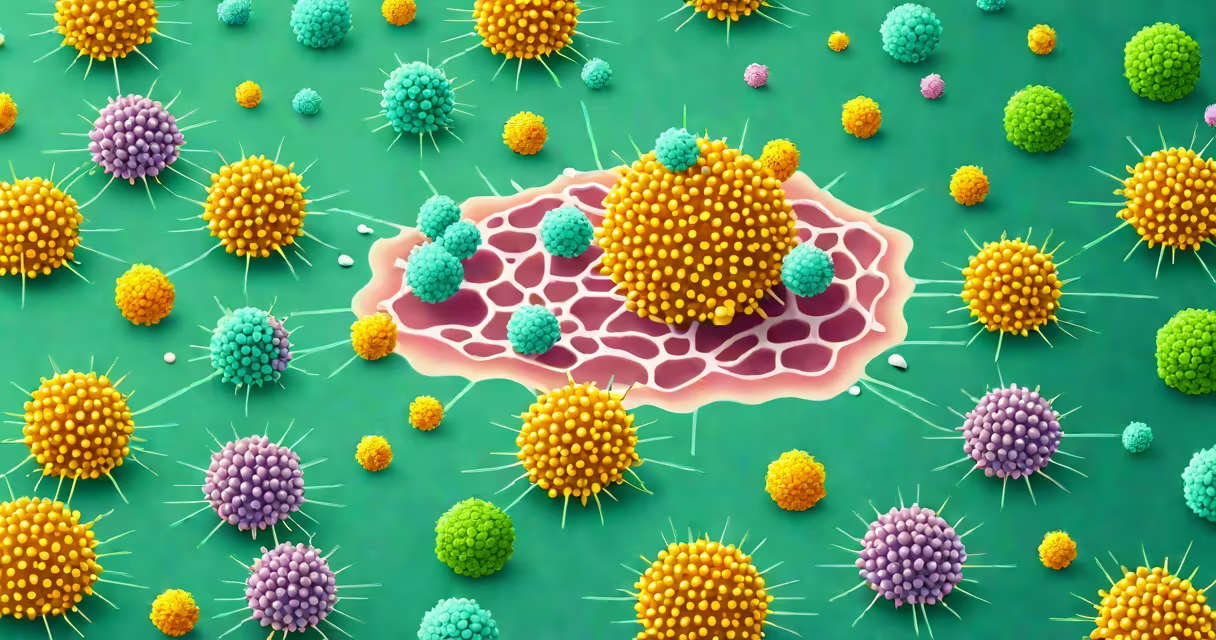
Having immunity means your body can resist or eliminate a specific pathogen, such as a virus or bacterium, without causing illness. This protection arises from prior exposure-either through infection or vaccination-and involves memory cells that respond faster upon re-exposure.
Immunity is not a single state but a spectrum of biological responses. It begins when your immune system detects foreign material, activates specialized cells, and forms lasting defenses. These defenses include antibodies that neutralize pathogens and T cells that destroy infected cells. Once formed, they persist for months to decades, depending on the threat.
The concept is central to public health. Vaccines exploit this process by mimicking infection safely. When you receive a vaccine, your body learns to recognize a pathogen without experiencing disease. This prepares your immune system to act quickly if the real pathogen appears later.
Your immune system uses two main strategies: humoral and cell-mediated immunity. Humoral immunity relies on B cells producing antibodies that circulate in blood and lymph. These proteins bind to antigens-molecular markers on pathogens-and mark them for destruction. Antibodies can prevent viruses from entering cells or trigger immune cells to engulf the pathogen.
Cell-mediated immunity depends on T cells. Helper T cells coordinate the immune response by releasing signaling molecules. Cytotoxic T cells identify and kill cells already infected with viruses or cancerous changes. This prevents the spread of intracellular pathogens that antibodies cannot reach.
After initial exposure, some B and T cells become memory cells. They survive for years, sometimes decades. If the same pathogen returns, these cells rapidly activate, often stopping infection before symptoms appear. This is why people who recover from measles rarely get it again.
Immunity varies based on origin and duration. The table below outlines the main categories:
| Type | Source | Durability | Example |
|---|---|---|---|
| Natural active | Recovery from infection | Long-term (often lifelong) | Measles immunity after illness |
| Vaccine-induced active | Immunization | Years to decades | Polio protection from OPV or IPV |
| Natural passive | Antibodies passed from mother to fetus | Short-term (weeks to months) | Protection in newborns via placental transfer |
| Artificial passive | Injected antibodies (e.g., immunoglobulins) | Weeks | Treatment for rabies exposure after bite |
Passive immunity provides immediate but temporary protection. It doesn't involve memory cells, so it fades quickly. Active immunity requires time to develop but offers lasting defense. The difference explains why newborns are vulnerable during early life and why booster shots are needed for some vaccines.
A common misconception is that immunity equals complete prevention of infection. In reality, immunity reduces severity and transmission risk. For example, vaccinated individuals can still carry and spread SARS-CoV-2, though they're less likely to develop severe illness. This is known as "leaky immunity" and is typical for many respiratory viruses.
Immunity shapes disease control at both individual and population levels. Herd immunity occurs when enough people are immune to interrupt transmission chains. For highly contagious diseases like measles, 95% vaccination coverage is needed to stop outbreaks. This protects those who can't be vaccinated due to medical reasons.
Public health programs rely on measurable immunity rates. The World Health Organization tracks global immunization coverage annually. In 2022, global DTP3 (diphtheria-tetanus-pertussis) vaccination reached 83%, but disparities remain. Countries like Rwanda report over 95% coverage, while others fall below 60% due to access issues.
Immunity also influences long-term outcomes. People with persistent immunity to hepatitis B, for example, rarely develop liver cirrhosis or cancer. Conversely, waning immunity increases risk. A 2021 study in *The Lancet* found that immunity to varicella (chickenpox) declines after 20 years, leading to higher adult cases in regions with low childhood vaccination rates.
Many assume immunity is permanent after one infection or vaccine dose. That's not accurate. Immune memory weakens over time. For instance, tetanus immunity lasts at least 30 years, but boosters are recommended every decade because protection gradually drops.
Another error is equating immunity with sterility-the idea that immune people cannot carry or transmit pathogens. This is false. As seen with influenza and SARS-CoV-2, immune individuals may still shed virus particles, especially in the upper airways. Transmission risk remains, though reduced.
I observed this firsthand during a 2023 flu outbreak at a university clinic. Several students reported being vaccinated and feeling fine. Yet, PCR tests confirmed they carried the virus. Their immune systems limited viral replication and prevented hospitalization, but they still spread it to roommates. This illustrates that immunity reduces harm but doesn't eliminate transmission entirely.
Immunity is not uniform across all pathogens. Some microbes, like HIV and malaria, evade immune detection through antigen variation. Others, like tuberculosis, hide inside host cells, making them hard for T cells to find. These challenges explain why developing effective vaccines for certain diseases remains difficult.
Immunity is not a single trait but a changing set of biological processes. It includes antibody production, T cell activation, and long-term memory formation. Protection varies by pathogen, exposure history, and individual biology.
Understanding what it means to have immunity helps make informed choices about vaccines, treatments, and public health policies. It also clarifies why boosters exist and why some people remain at risk despite prior infection or vaccination.