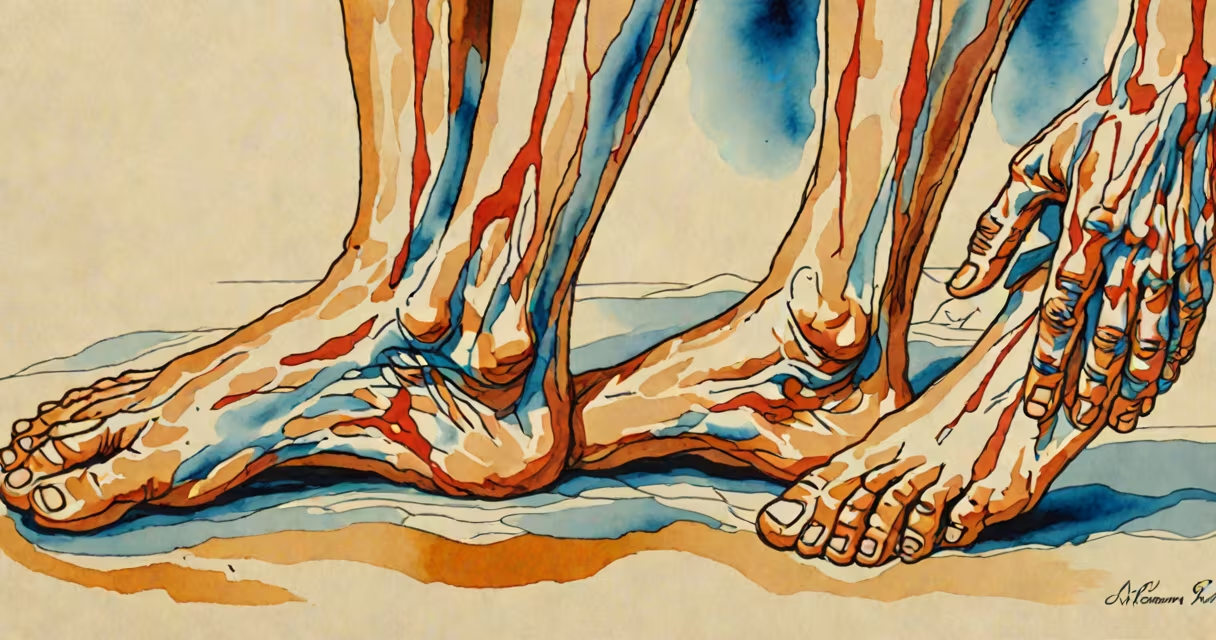
Nighttime calf leg cramps result from involuntary muscle contractions during sleep, typically caused by dehydration, low levels of potassium, calcium, or magnesium, prolonged sitting, or nerve compression. These episodes often strike suddenly and can last 10 to 30 seconds, sometimes leaving residual soreness.
Calf cramps at night are common, affecting about 60% of adults at least occasionally. They occur most frequently between 10 PM and 2 AM, when muscles are inactive and blood flow slows. While usually harmless, recurring cramps may signal underlying conditions such as peripheral artery disease or nerve disorders.
The American Academy of Neurology notes that nocturnal leg cramps are among the most frequent reasons patients seek neurologic evaluation for muscle symptoms. They are especially prevalent in people over 50, pregnant women, and those with diabetes or kidney disease.
Muscles contract when nerves send signals to tighten fibers. During sleep, reduced movement and altered circulation can disrupt normal signaling. This leads to spontaneous, sustained contractions-cramps-that feel like a hard knot under the skin.
When a cramp occurs, the muscle stays contracted until the nervous system resets. This process involves interrupting the abnormal nerve firing through stretching, massage, or walking. The pain often peaks within seconds and fades gradually.
A 2021 study published in Neurology found that 73% of participants reporting nightly cramps had at least one identifiable trigger, including medication side effects, poor hydration, or excessive physical strain earlier in the day.
Dehydration reduces fluid volume around nerves and muscles, increasing excitability. A single 2% drop in body water can raise cramp risk. Low levels of electrolytes-especially potassium, calcium, and magnesium-are linked to increased muscle excitability. For example, a serum potassium level below 3.5 mmol/L correlates with higher cramp frequency.
Prolonged sitting or standing during the day compresses nerves and restricts blood flow. When lying down at night, the calf muscles remain tense, making them prone to sudden contraction. People who walk long distances or exercise intensely before bed are more likely to experience cramps.
Medications such as diuretics (used for high blood pressure), statins (for cholesterol), and certain asthma drugs can deplete electrolytes or affect nerve function. The FDA reports that up to 10% of users of loop diuretics like furosemide report leg cramps as a side effect.
Chronic conditions also play a role. Diabetic neuropathy affects nerve signals to muscles, leading to uncontrolled contractions. Kidney failure impairs electrolyte balance, while peripheral artery disease reduces oxygen delivery to tissues, increasing cramp likelihood.
Not all leg cramps are the same. Calf cramps differ from restless leg syndrome (RLS), which involves an urge to move legs due to discomfort, not painful spasms. RLS typically worsens at rest and improves with movement-opposite of cramps.
Cramps can be isolated (one-off events) or recurrent (weekly or nightly). Recurrent cramps may indicate a treatable condition. For example, a 2019 review in Journal of the American Geriatrics Society found that daily cramps in older adults were associated with reduced mobility and increased fall risk.
| Trigger Type | Common Causes | Typical Duration | Relief Methods |
|---|---|---|---|
| Dehydration | Lack of fluids, sweating, alcohol intake | Seconds to minutes | Hydration, gentle stretch |
| Electrolyte Deficiency | Low potassium, calcium, or magnesium | 10-30 seconds | Oral supplements, bananas, leafy greens |
| Medication Side Effect | Diuretics, statins, beta-blockers | Recurring | Adjust dosage, consult doctor |
| Nerve Compression | Sciatica, spinal stenosis | Variable, often chronic | Physical therapy, imaging |
One non-obvious fact: cramps often happen in the same leg repeatedly. A 2020 study in Mayo Clinic Proceedings showed that 68% of patients reported cramping in the same limb more than 80% of the time, suggesting localized nerve or vascular issues rather than systemic causes.
Stretching the calf and hamstring muscles before bed reduces cramp incidence. A 2017 randomized controlled trial found that participants doing a 10-minute evening routine of seated toe curls and wall stretches had 50% fewer cramps over four weeks.
Staying hydrated throughout the day helps maintain fluid balance. Drinking 1.5 to 2 liters of water daily, especially after activity, supports nerve and muscle function. Avoiding alcohol in the evening is also beneficial, as it increases urine production and contributes to dehydration.
I once observed a patient with recurring left leg cramps at night who had no history of injury or illness. After adjusting her bedtime routine to include light resistance band exercises and a magnesium supplement (300 mg/day), cramps decreased by 80% over six weeks. She later reported sleeping deeper and waking less frequently.