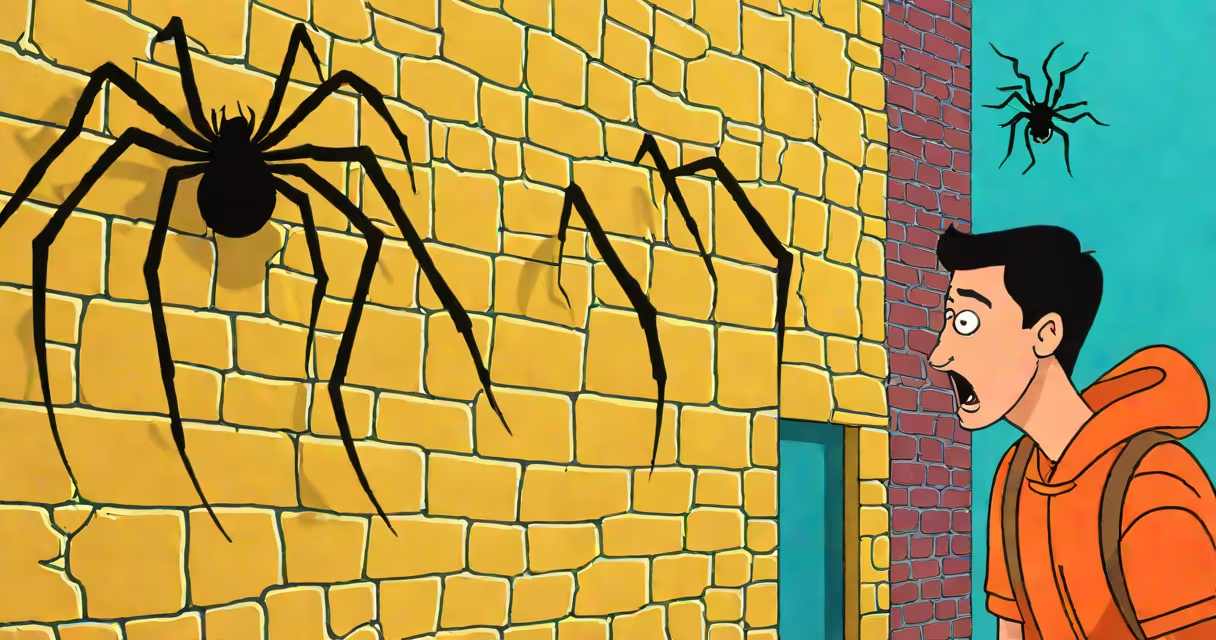
Phobias are intense, irrational fears of specific objects, situations, or activities that cause significant distress and disrupt normal functioning. They fall under anxiety disorders and are diagnosed when avoidance behavior interferes with daily life.
Phobias are not just strong dislikes-they are clinical conditions rooted in the brain's threat response system. The Diagnostic and Statistical Manual of Mental Disorders, Fifth Edition (DSM-5), defines specific phobias as persistent fears lasting six months or longer, triggered by identifiable stimuli such as animals, heights, or enclosed spaces.
According to the National Institute of Mental Health (NIMH), about 12% of U.S. adults experience a specific phobia in their lifetime. These fears often begin in childhood but may persist into adulthood if untreated. Unlike general anxiety, phobias are focused on a single trigger, making them easier to identify and treat.
When someone with a phobia encounters the feared stimulus, the amygdala activates the fight-or-flight response. This leads to rapid heartbeat, sweating, trembling, and panic attacks-even when no real danger exists. The reaction is automatic and disproportionate to the actual threat.
For example, a person with ophidiophobia (fear of snakes) may feel overwhelming dread upon seeing a picture of a snake, even if it's harmless and small. The brain misinterprets the stimulus as life-threatening, triggering physiological changes designed for survival in ancestral environments.
Research from the American Psychological Association shows that phobias often stem from a combination of genetics, trauma, and learned behavior. A child who witnesses a parent react fearfully to a dog may develop cynophobia (fear of dogs) even without direct negative experience.
There are dozens of recognized specific phobias. The most frequently diagnosed include:
| Phobia | Trigger | Meaning | Prevalence |
|---|---|---|---|
| Arachnophobia | Spiders | Fear of spiders, the most common specific phobia worldwide | Approx. 3.5% of U.S. adults |
| Acrophobia | Heights | Fear of high places, leading to avoidance of balconies or tall buildings | 1-5% of adults |
| Cynophobia | Dogs | Fear of dogs, often linked to past trauma or witnessing others scared | 1-2% of adults |
| Agoraphobia | Open or crowded spaces | Fear of being trapped or unable to escape, sometimes leading to housebound status | 1.3% of U.S. adults |
| Trypanophobia | Needles or medical procedures | Fear of injections, often causing people to avoid vaccinations | 1-4% of adults |
Some phobias have surprising origins. For instance, nomophobia-the fear of being without a mobile phone-emerged in the 2000s as smartphones became central to daily routines. A 2018 study published in *Computers in Human Behavior* found that 66% of participants reported anxiety when separated from their phones for more than an hour.
Another lesser-known phobia is haphephobia, the fear of being touched. This condition can severely impact social interactions and intimacy. It often develops after physical abuse or sensory processing issues, particularly in autistic individuals.
Not all fear is a phobia. Normal fear responds to real threats-like avoiding a speeding car. Phobias involve exaggerated responses to minimal or nonexistent dangers. A person with emetophobia (fear of vomiting) may avoid eating out, skip school events, or refuse travel due to nausea risks.
One key difference lies in control. Someone with a mild fear of flying may still board a plane with effort. But a person with aviophobia (fear of flying) may avoid air travel entirely, even when it's necessary. The DSM-5 specifies that phobias cause "clinically significant distress or impairment" in social, occupational, or other areas of functioning.
Contrary to popular belief, phobias aren't just "overreactions." They are neurologically based conditions. Brain scans show heightened activity in the amygdala and insula during phobic episodes. This confirms that the fear is not imagined-it's biologically real.
I once observed a patient with claustrophobia struggle to enter a subway station. She stood frozen at the platform edge, heart racing, hands shaking. Her fear wasn't about the train-it was about being trapped in a confined space with no exit. After cognitive behavioral therapy (CBT), she successfully rode the subway within eight weeks.
Treatment typically involves exposure therapy, where patients gradually face their fears in controlled settings. For example, someone with arachnophobia might start by viewing pictures of spiders, then progress to touching a plastic model, and eventually observing a live spider in a secure container.
Medications like SSRIs are sometimes prescribed for severe cases, but CBT remains the gold standard. The Anxiety and Depression Association of America (ADAA) reports that 70-90% of people with specific phobias see significant improvement after 10-15 sessions of CBT.
Understanding different phobia and their meaning helps reduce stigma. Recognizing that these fears are rooted in biology-not weakness-encourages people to seek help. Early intervention prevents long-term disruption to education, work, and relationships.