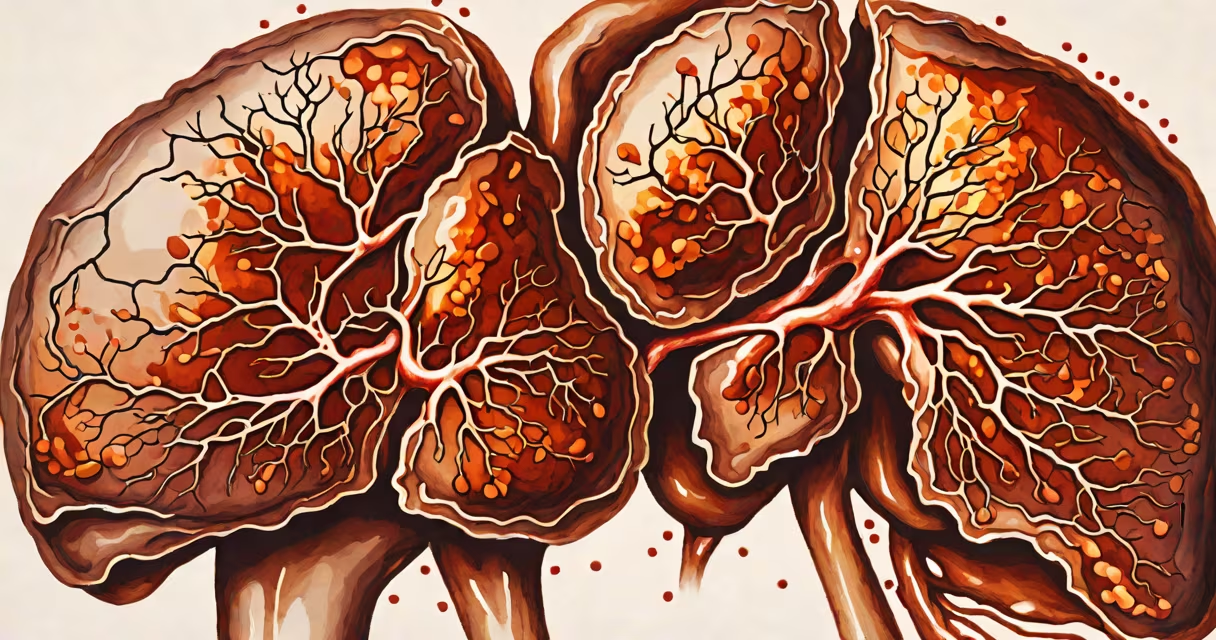
A liver infection occurs when pathogens such as viruses, bacteria, or parasites invade liver tissue, triggering inflammation and impairing function. The most common cause is viral hepatitis, particularly types B and C, but bacterial infections, autoimmune reactions, and toxin exposure also play major roles.
The liver filters blood, metabolizes drugs, and produces bile. When infected, it loses efficiency-leading to jaundice, fatigue, abdominal pain, and elevated liver enzymes. Diagnosis requires blood tests, imaging, and sometimes biopsy. Early detection prevents cirrhosis and liver failure.
Liver infections begin when microorganisms enter the bloodstream via ingestion, injection, or direct contact. They travel to the liver through the portal vein, where they replicate in hepatocytes-the primary functional cells. Immune response follows, causing swelling and damage to tissue.
For example, hepatitis B virus (HBV) enters liver cells using the sodium taurocholate cotransporting polypeptide (NTCP) receptor. Once inside, it integrates into host DNA and hijacks cellular machinery to produce new viral particles. This process damages cells and triggers immune attack, worsening inflammation.
According to the Centers for Disease Control and Prevention (CDC), HBV affects approximately 862,000 people in the U.S. annually, with transmission occurring through blood, semen, or contaminated needles. Without treatment, chronic HBV can lead to liver cancer over 20 years.
Liver infections fall into four main categories: viral, bacterial, parasitic, and non-infectious. Viral causes dominate globally, while bacterial and parasitic forms are more region-specific.
| Type | Common Pathogens | Transmission Route | Prevalence (U.S.) |
|---|---|---|---|
| Viral | Hepatitis A, B, C, D, E | Fecal-oral (A, E), blood/body fluids (B, C, D) | ~300,000 cases/year (Hep B); ~2.4 million (Hep C) |
| Bacterial | Salmonella, E. coli, Klebsiella | Contaminated food/water; bloodstream spread | Less than 1% of all liver infections |
| Parasitic | Plasmodium (malaria), Toxoplasma gondii | Insect bites, undercooked meat, cat feces | Most cases in travelers or immunocompromised |
| Non-infectious | Alcohol, drugs, autoimmune disorders | Chronic use, genetic predisposition | Leading cause of liver disease in developed nations |
Among viral causes, hepatitis C is the most insidious. It often remains asymptomatic for decades. The World Health Organization (WHO) estimates 50 million people worldwide have chronic HCV, with 70% unaware of their status. Left untreated, it leads to fibrosis in 20-30% of cases within 10 years.
Many assume all liver infections stem from alcohol. While excessive drinking causes alcoholic hepatitis, it's not infectious. Alcohol-related liver disease results from metabolic stress, not pathogen invasion. Confusing the two delays proper diagnosis.
Another error is equating jaundice with infection. Yellowing of skin and eyes signals bilirubin buildup, which occurs in infection, but also in hemolytic anemia, Gilbert's syndrome, or drug toxicity. A positive bilirubin test doesn't confirm infection-it demands further testing.
Some patients believe antibiotics treat all liver infections. They don't. Antibiotics work only against bacterial invaders. Viral hepatitis requires antivirals like tenofovir or interferon. Using antibiotics unnecessarily promotes resistance and may worsen outcomes.
In 2021, a 34-year-old man presented with dark urine, fatigue, and right upper quadrant pain. Blood work showed ALT levels at 800 U/L (normal: 7-56), and HBsAg was positive. He had no history of IV drug use but reported unprotected sex with multiple partners.
He was diagnosed with acute hepatitis B. PCR testing confirmed viral load at 1.2 million IU/mL. After six months of monitoring, his immune system cleared the virus spontaneously. Follow-up at 12 months showed normal liver enzymes and negative HBsAg.
This case illustrates that hepatitis B can resolve without treatment in healthy adults. However, 5-10% progress to chronic infection, especially if contracted during infancy. The CDC recommends universal vaccination at birth to prevent transmission.
Seek care if you experience persistent fatigue, unexplained weight loss, nausea, or yellowing of eyes. These signs indicate potential liver involvement. Early intervention improves recovery odds and reduces long-term complications.
I once saw a patient who ignored mild jaundice for eight months. By the time he sought help, he had stage 3 fibrosis. His liver biopsy revealed early cirrhosis. He required specialist management and avoided further progression through abstinence and medication.
Testing includes ALT, AST, bilirubin, and viral serology. Imaging like ultrasound or elastography assesses scarring. For suspected bacterial infection, CT scan with contrast detects abscesses.
Prevention centers on hygiene, safe sex, sterile needle use, and vaccination. The hepatitis B vaccine is 95% effective and recommended for all infants, children, and adults at risk. It's administered in three doses over six months.
Travelers to endemic regions should get hepatitis A vaccine. Avoid raw shellfish in areas with poor sanitation. Limit alcohol intake-men should not exceed 2 drinks/day, women 1.
Autoimmune liver diseases mimic infections clinically but lack pathogens. They require different treatment-immunosuppressants like prednisone. Misdiagnosing them as infectious leads to ineffective therapy.
Understanding what causes a liver infection helps prevent avoidable harm. Viral agents remain the leading threat, but lifestyle choices and undetected exposures contribute. Knowing the difference between infectious and non-infectious causes guides timely care.