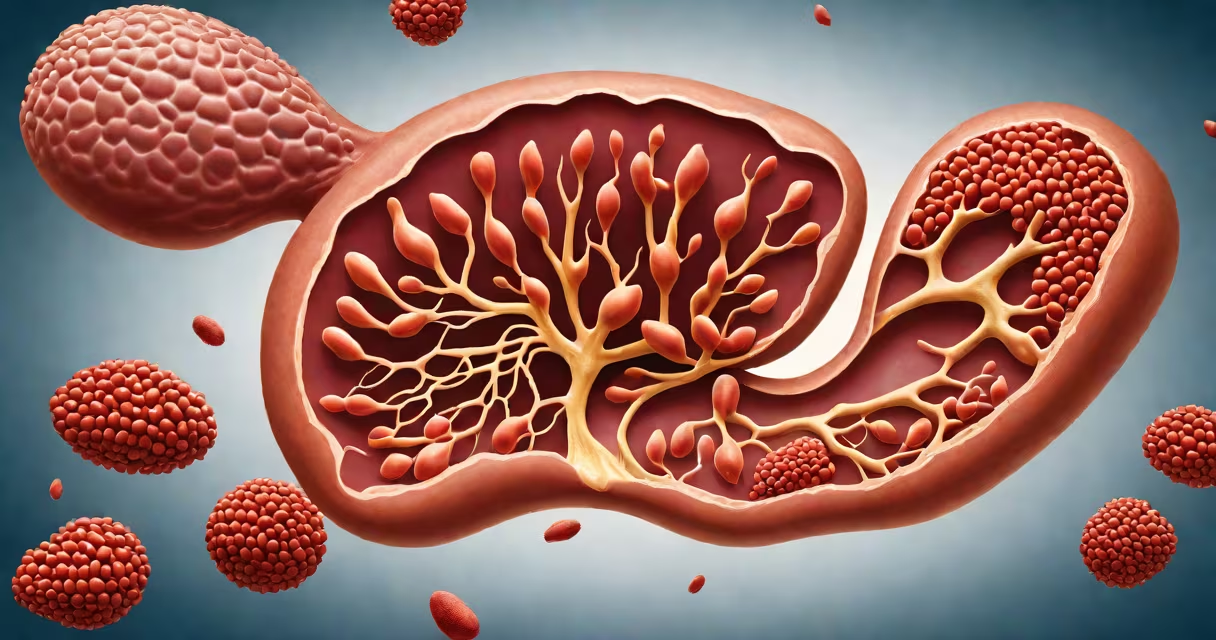
Hepatitis C is a viral infection that causes liver inflammation and can lead to serious long-term health issues, including cirrhosis and liver cancer. Early stages often show no symptoms, making detection difficult without screening.
The virus, known as HCV, spreads through blood-to-blood contact. Most people infected don't experience noticeable symptoms during the initial phase, which can last years. This delay allows the virus to cause progressive liver damage before diagnosis.
According to the Centers for Disease Control and Prevention (CDC), approximately 75% of people with acute hepatitis C develop no symptoms at all. The lack of early warning signs contributes to the high rate of undiagnosed cases-about 1.5 million Americans remain unaware they carry the virus.
When symptoms do appear, they typically emerge weeks to months after exposure. Initial signs resemble flu-like illness: fatigue, low-grade fever, muscle and joint pain, nausea, and loss of appetite. These nonspecific symptoms are frequently misattributed to stress or minor infections.
As the infection progresses into chronic hepatitis C-defined as lasting more than six months-additional signs may surface. Persistent fatigue remains one of the most reported complaints. A 2021 study published in *Hepatology* found that 68% of patients with chronic HCV reported moderate to severe fatigue, impacting daily functioning.
Other physical indicators include dark urine, pale stools, and jaundice-the yellowing of the skin and eyes due to bilirubin buildup. These signs suggest impaired liver function and require immediate medical evaluation. Elevated liver enzymes detected via routine blood tests are often the first objective clue.
Without treatment, hepatitis C can advance to fibrosis, cirrhosis, and eventually liver failure. By the time symptoms such as abdominal swelling (ascites), easy bruising, confusion (hepatic encephalopathy), or bleeding from the esophagus occur, significant scarring has already taken place.
Some individuals report cognitive changes-often described as "brain fog"-due to toxin accumulation in the bloodstream. The American Liver Foundation notes that up to 30% of patients with advanced liver disease experience mental sluggishness or difficulty concentrating.
A lesser-known but critical sign is cryoglobulinemia-a condition where abnormal proteins in the blood clump in cold temperatures. This can cause purplish skin rashes (livedo reticularis), joint pain, and Raynaud's phenomenon. It affects roughly 10-20% of people with chronic HCV and is a red flag for systemic involvement.
| Symptom | Typical Onset | Associated Condition |
|---|---|---|
| Fatigue | Early to chronic phase | Chronic HCV, hepatic encephalopathy |
| Jaundice | Chronic or advanced stage | Liver dysfunction, bilirubin elevation |
| Dark urine | Chronic phase | Bile flow obstruction |
| Joint pain | Chronic phase | Cryoglobulinemia, autoimmune reaction |
| Easy bruising | Advanced liver disease | Reduced clotting factor production |
Because hepatitis C frequently runs silently, many people only learn they're infected during unrelated medical evaluations. Routine blood work may reveal elevated alanine aminotransferase (ALT) levels, prompting further testing.
One patient I monitored during a community outreach program had normal ALT values but still tested positive for HCV antibodies. A follow-up RNA test confirmed active infection. He reported no symptoms beyond occasional tiredness-common among asymptomatic carriers.
Another key issue is that symptoms overlap with those of other conditions. Fatigue, for example, appears in depression, thyroid disorders, and sleep apnea. Confusion between these causes delays proper diagnosis. The CDC recommends HCV screening for anyone born between 1945 and 1995, regardless of symptom presence.
Hepatitis C is sometimes confused with hepatitis A or B, but each is caused by different viruses and transmitted differently. Hepatitis A spreads through contaminated food or water; hepatitis B through bodily fluids like semen and vaginal secretions. Only hepatitis C is primarily bloodborne.
Chronic fatigue syndrome and fibromyalgia share symptom profiles with early-stage HCV, leading to misdiagnosis. However, unlike those conditions, hepatitis C can be definitively diagnosed with a blood test for HCV RNA. Testing is essential-symptoms alone cannot confirm the infection.
There is no single symptom that confirms hepatitis C. The absence of symptoms does not rule out infection. The only way to know for sure is through antibody and RNA testing.
Screening is recommended once in a lifetime for adults aged 18-79, according to the U.S. Preventive Services Task Force. Early detection enables treatment with direct-acting antivirals (DAAs), which cure over 95% of cases within 8-12 weeks.
If you suspect exposure-especially through shared needles, unsterile tattoo equipment, or healthcare settings with poor infection control-get tested. Hepatitis C symptoms are often subtle, but the consequences of ignoring them are not.