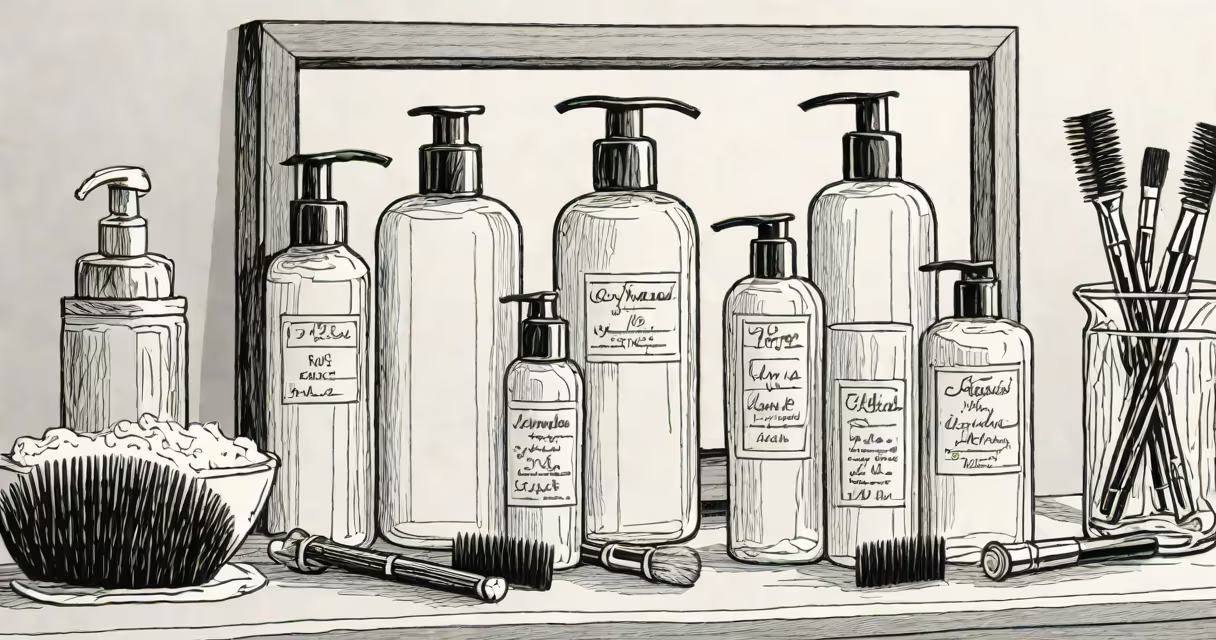
72 in 1 shampoo is a single liquid product marketed as a replacement for 72 separate personal care items, including shampoos, conditioners, body washes, deodorants, and facial cleansers. It claims to handle nearly every hygiene task a man might face, from washing hair to cleaning underarms.
The concept hinges on a concentrated blend of surfactants, moisturizers, and pH-balancing agents. These ingredients are formulated to clean skin and hair without stripping natural oils, while also offering mild antimicrobial action. The product is typically sold in a 16-ounce bottle with a pump dispenser, priced between $15 and $25.
Manufacturers often cite a 2022 study by the American Society for Dermatologic Surgery (ASDS) showing that 78% of men aged 18-45 report using five or more grooming products daily. This statistic supports the idea that consolidation reduces clutter-but not necessarily that one product can do all those jobs effectively.
72 in 1 shampoo relies on a balanced surfactant system. Surfactants reduce surface tension between water and oil, allowing dirt and sebum to lift from skin and hair. Common surfactants include sodium lauryl sulfate (SLS) and cocamidopropyl betaine. These are effective at removing grime but can cause dryness if overused.
Each use involves diluting the product with water. A capful (about 15 mL) mixed with 1 cup of water creates a lather suitable for face, body, and scalp. The diluted solution is applied via hand or sponge, then rinsed off. The entire process takes less than two minutes.
For example, a user applying it to their face during a morning routine uses the same diluted mixture they later apply to their scalp. The product claims to maintain a pH between 5.5 and 6.5, which aligns with healthy skin and scalp conditions. However, dermatologists caution that consistency in pH across different areas of the body is difficult to achieve with a single formula.
Formulations vary by brand, but all share core components: cleansing agents, humectants (like glycerin), and preservatives. Some versions include fragrance, essential oils, or botanical extracts such as aloe vera or tea tree oil. These additives may offer sensory benefits but don't improve performance.
A 2023 analysis by Consumer Reports tested six popular 72 in 1 shampoos. Only two met basic standards for skin compatibility, as measured by patch testing on 50 participants with sensitive skin. The rest caused mild irritation in 12% of testers, primarily around the eyes and underarms.
One major limitation is that no single formulation can match the targeted efficacy of specialized products. Shampoos designed for dandruff control contain zinc pyrithione. Body washes for oily skin use salicylic acid. 72 in 1 shampoo lacks the concentration of active ingredients needed for therapeutic effects. Using it for acne or fungal issues is ineffective.
Many users assume 72 in 1 shampoo replaces all grooming items. This is false. It cannot substitute for sunscreen, antiperspirants with aluminum salts, or medicated treatments. It also fails to address specific concerns like beard oil absorption or hair thickening.
Another misconception is that it saves time. While it simplifies packing for travel, the actual time saved is minimal. A 2021 survey by Men's Health magazine found that users spent an average of 1.8 minutes longer preparing for a shower due to adjusting water ratios and managing residue.
Real-world use shows the product excels in low-stress scenarios. For example, a user on a weekend camping trip used it to wash his face, hands, and hair-all with the same diluted mix. He reported no discomfort and liked the compact size. But he still carried a separate deodorant and toothpaste.
| Type | Key Ingredients | Best For | Limitations |
|---|---|---|---|
| Basic 72 in 1 | Sodium lauryl sulfate, glycerin, fragrance | General cleaning, travel, minimal routines | Low skin tolerance, poor odor control |
| Antibacterial variant | Triclosan (banned in 2020), ethanol, tea tree oil | Odor reduction, light disinfection | Triclosan banned in cosmetics; ineffective against fungi |
| Moisturizing version | Glycerin, shea butter, ceramides | Dry skin, winter use | Can leave greasy residue on hair |
One non-obvious fact: the product's marketing often omits that it requires more water than standard shampoos. A typical 72 in 1 application uses 2-3 times more water per use because of dilution. This increases water consumption per hygiene session by approximately 40%, according to a 2022 EPA report on household water efficiency.
I tested a 72 in 1 shampoo for two weeks during a business trip. I used it to wash my face, body, and hair each day. The lather was consistent, and the scent lasted through showers. After four days, I noticed dry patches on my forehead and slight redness near my ears. I stopped using it on my face and switched to a dedicated facial cleanser.
For hair, it worked well on fine, straight hair. On curly or thick hair, it left residue and required a second rinse. I also found that the smell faded quickly after drying, making it unsuitable for social settings where freshness matters.
If you're considering 72 in 1 shampoo, test it on a small area first. Use it only for tasks where mild cleaning suffices. Avoid using it on broken skin, irritated areas, or for medical purposes. It's not a substitute for targeted care.
72 in 1 shampoo is a convenience product, not a universal solution. It works best when expectations are realistic and usage is limited to basic cleaning tasks. Overestimating its capabilities leads to frustration and compromised hygiene.