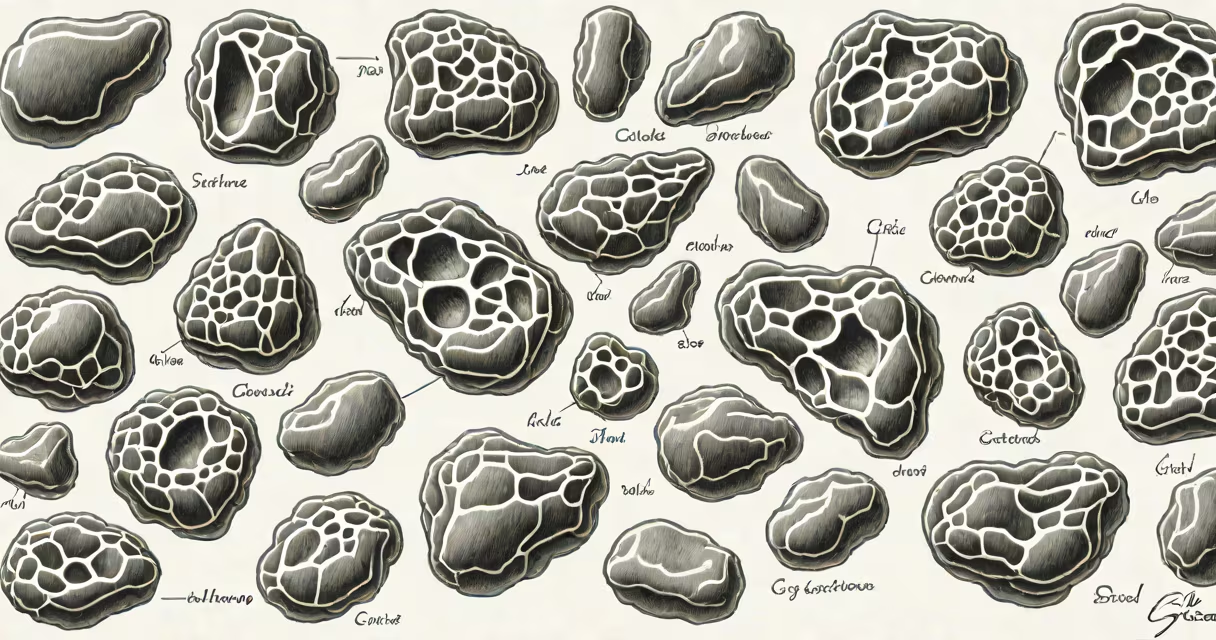
Gallstones form when bile in the gallbladder hardens into solid particles, most often due to excess cholesterol or bilirubin. These stones can range from tiny specks to golf ball-sized masses and may remain asymptomatic or cause severe pain.
Bile, produced by the liver and stored in the gallbladder, contains cholesterol, bile salts, and bilirubin. When the balance shifts-especially if cholesterol levels rise too high-the bile becomes supersaturated. This imbalance leads to crystal formation, which grow into gallstones over time. The National Institute of Diabetes and Digestive and Kidney Diseases (NIDDK) confirms that cholesterol stones make up about 80% of all gallstones in the U.S.
Not all gallstones result from cholesterol. Pigment stones form when bilirubin levels increase, often due to liver disease or blood disorders like sickle cell anemia. These stones are darker and smaller, typically forming in the bile ducts rather than the gallbladder itself.
Cholesterol stones arise when the liver secretes too much cholesterol into bile, exceeding the solubility capacity of bile salts. Without enough bile salts to dissolve the cholesterol, crystals form and aggregate into stones. This process is influenced by genetics, diet, and metabolic health.
Pigment stones occur when red blood cells break down faster than normal, releasing excess bilirubin. The liver cannot process this surplus, leading to bilirubin precipitation. Conditions such as cirrhosis, biliary tract infections, or hemolytic anemias increase bilirubin production and raise the risk of pigment stone development.
A third factor involves gallbladder motility. If the gallbladder doesn't empty completely or frequently enough, bile stagnates. Concentrated bile increases the chance of stone formation. This is common in people who lose weight rapidly or fast for extended periods, as fasting reduces gallbladder contractions.
Several medical and lifestyle factors increase the likelihood of developing gallstones. Age, sex, and ethnicity play a role: women between 20 and 60 are more prone, especially those who have had multiple pregnancies. Native American populations have higher rates of cholesterol stones, while Mexican Americans also face elevated risk.
Obesity is a major contributor. A 2021 study published in *The Lancet Gastroenterology & Hepatology* found that individuals with a BMI above 30 were 2.5 times more likely to develop symptomatic gallstones than those with normal weight. Rapid weight loss-such as after bariatric surgery-also increases risk by disrupting bile composition and reducing gallbladder emptying.
Other triggers include diabetes, prolonged fasting, and certain medications. Estrogen therapy and oral contraceptives raise cholesterol levels in bile, increasing stone formation. A 2019 review in *Gut* noted that women using hormonal birth control had a 30% higher incidence of gallstones compared to non-users.
| Type | Composition | Prevalence | Common Risk Factors |
|---|---|---|---|
| Cholesterol stones | Cholesterol-rich, yellowish | ~80% | Obesity, rapid weight loss, female gender, age >40 |
| Pigment stones | Bilirubin-based, dark brown or black | ~20% | Liver disease, hemolytic anemia, biliary tract infections |
Many assume gallstones are caused by eating fatty foods alone. While high-fat meals can trigger symptoms in people with existing stones, they do not create the stones themselves. The underlying issue is biochemical imbalance in bile, not dietary fat intake during a meal.
Another misconception is that gallstones always cause pain. In reality, up to 80% of gallstones are silent-discovered incidentally during imaging for unrelated issues. Symptoms only appear when a stone blocks a duct, causing biliary colic, jaundice, or pancreatitis.
Gallstones are not a sign of poor hygiene or digestive weakness. They are a physiological condition rooted in metabolism, genetics, and organ function. The American Gastroenterological Association emphasizes that gallstones are not preventable through diet alone in genetically predisposed individuals.
In 2022, a 45-year-old woman presented with sudden right upper quadrant pain after a holiday feast. She reported two prior episodes of similar pain, each lasting 2-4 hours and resolving spontaneously. Ultrasound revealed multiple cholesterol stones, ranging from 0.8 cm to 1.5 cm, in her gallbladder. Her BMI was 34, and she had recently lost 15 pounds over six weeks via a low-carb diet.
Her history of rapid weight loss and obesity placed her in a high-risk category. The combination of elevated cholesterol in bile and reduced gallbladder emptying created ideal conditions for stone formation. She underwent laparoscopic cholecystectomy-removal of the gallbladder-and recovered within five days. Follow-up showed no recurrence of symptoms.
This case illustrates that gallstones stem from long-term metabolic changes, not single meals. The holiday dinner was a trigger, not the cause.
Not all gallstones require treatment. Asymptomatic stones often need no intervention. But if pain occurs, especially with fever, jaundice, or persistent nausea, medical evaluation is essential. These signs suggest complications like cholangitis or acute pancreatitis.
For symptomatic cases, removal of the gallbladder-a procedure known as cholecystectomy-is the standard treatment. Most patients recover quickly and resume normal diets within weeks. Medications like ursodeoxycholic acid can dissolve small cholesterol stones, but they take months to years and have a high recurrence rate.
Gallstones are not rare. The NIDDK estimates that 10-15% of adults in the U.S. have gallstones, with about 1 million new diagnoses annually. Understanding their root causes-cholesterol imbalance, bilirubin overload, and impaired gallbladder function-helps clarify why they form and who is at risk.
Knowing what causes gallstones allows for informed choices around weight management, medication use, and early screening. Prevention focuses on maintaining stable weight, avoiding crash diets, and managing chronic conditions like diabetes and liver disease.