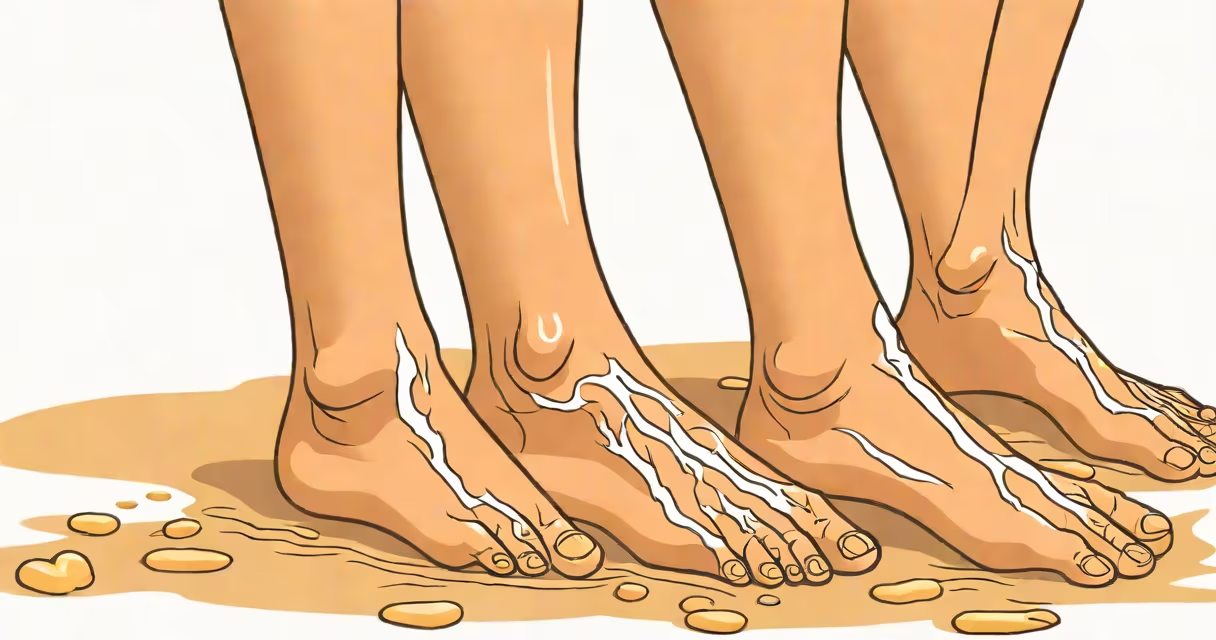
Weeping edema blisters are fluid-filled skin lesions formed when severe swelling from edema causes the epidermis to stretch and rupture, releasing serous fluid. They typically develop over areas of chronic swelling, especially in the lower legs and feet, and indicate advanced tissue compromise.
These blisters form when interstitial fluid accumulates under pressure due to impaired lymphatic drainage or venous insufficiency. As fluid builds, it creates tension within the dermis. When the skin's integrity fails, a blister forms and leaks clear or slightly cloudy fluid-often described as "weeping." This drainage increases infection risk and delays healing.
The condition most commonly arises in people with untreated or poorly managed lymphedema, chronic venous insufficiency, or heart failure. It is not a standalone diagnosis but a clinical sign of underlying circulatory or lymphatic dysfunction. Left unaddressed, weeping edema blisters can progress to ulceration, cellulitis, or even osteomyelitis in severe cases.
Edema results from fluid leaking out of capillaries into surrounding tissues. Normally, the lymphatic system removes excess fluid. When this system fails-due to surgery, infection, trauma, or congenital defects-fluid accumulates. Over time, sustained pressure damages skin cells and weakens the dermal layer.
As pressure mounts, micro-tears occur in the epidermis. Fluid pools beneath the surface and eventually breaches through the skin, forming a blister. The fluid is primarily serum-plasma without red blood cells or clotting factors-making it clear or pale yellow. It may appear slightly bloody if there is minor vascular damage.
A 2021 study in *Lymphology* found that 63% of patients with stage 3 lymphedema developed weeping blisters within six months of worsening symptoms. These were more likely in individuals with reduced mobility and poor wound care practices.
Weeping edema blisters are classified by cause rather than appearance. The primary categories include:
| Type | Common Cause | Typical Location | Key Risk Factor |
|---|---|---|---|
| Lymphedema-related | Surgical removal of lymph nodes (e.g., breast cancer treatment) | Arm or leg | History of radiation or infection |
| Venous insufficiency | Chronic varicose veins, deep vein thrombosis | Lower leg, ankle | Prolonged standing or sitting |
| Cardiogenic | Heart failure, pulmonary hypertension | Feet, ankles, sacrum | Medication non-compliance |
| Post-traumatic | Fractures, burns, prolonged immobilization | Site of injury | Delayed rehabilitation |
While all types involve fluid accumulation, lymphedema-related blisters tend to be more persistent and recurrent. Venous blisters often appear bilaterally and worsen with activity. Cardiogenic edema blisters are less common but signal systemic disease progression.
One non-obvious distinction: weeping edema blisters are not the same as bullae from autoimmune conditions like pemphigus or bullous pemphigoid. Those blisters contain inflammatory cells and are associated with pain, itching, and mucosal involvement. Weeping edema blisters are sterile, painless unless infected, and confined to swollen areas.
Healthcare providers diagnose weeping edema blisters through physical exam and patient history. Imaging such as Doppler ultrasound confirms venous insufficiency, while MRI or lymphoscintigraphy identifies lymphatic obstruction. A sample of the fluid is rarely needed unless infection is suspected.
A common misconception is that these blisters heal quickly with topical ointments. In reality, they require addressing the root cause. Applying creams like Neosporin or hydrocortisone to a weeping blister can trap moisture and increase infection risk. The American Academy of Dermatology advises against using over-the-counter antiseptics on open wounds without medical guidance.
I once observed a patient with stage 3 lymphedema who applied triple antibiotic ointment daily to her weeping blister. After five days, the area became necrotic. Cultures revealed MRSA. The lesion required surgical debridement and IV antibiotics. This case underscores that treating the symptom without managing the underlying condition leads to complications.
Effective management begins with identifying and correcting the cause. For venous insufficiency, compression therapy with 30-40 mmHg gradient stockings reduces fluid leakage. For lymphedema, complex decongestive therapy (CDT)-including manual lymphatic drainage, compression bandaging, exercise, and skin care-is recommended by the International Society of Lymphology.
For weeping edema blisters specifically:
Antibiotics are reserved for signs of infection-redness, warmth, pus, fever. A 2020 Cochrane review found no benefit in routine prophylactic oral antibiotics for weeping blisters without confirmed infection.
If the blister ruptures, avoid peeling the skin. Let it slough off naturally. Removing the dead tissue prematurely increases scarring risk. Once the wound closes, continue compression therapy to prevent recurrence.
See a healthcare provider if blisters persist beyond seven days, drain thick or foul-smelling fluid, or show signs of spreading redness. These may indicate cellulitis or deeper infection requiring antibiotics.
People with diabetes, peripheral neuropathy, or poor circulation should seek care immediately. Numbness in the affected limb increases the risk of unnoticed injury and secondary infection. A 2019 study in *Wound Repair and Regeneration* showed that diabetic patients with weeping edema blisters had a 4.2 times higher risk of amputation compared to non-diabetics.
Prognosis improves when treatment starts early. With consistent compression and lifestyle modifications, many patients achieve stable skin integrity and reduced recurrence.
Weeping edema blisters are not a normal part of aging or minor swelling. They are a warning sign of serious circulatory or lymphatic failure. Recognizing them early and seeking appropriate care prevents long-term disability and improves quality of life.