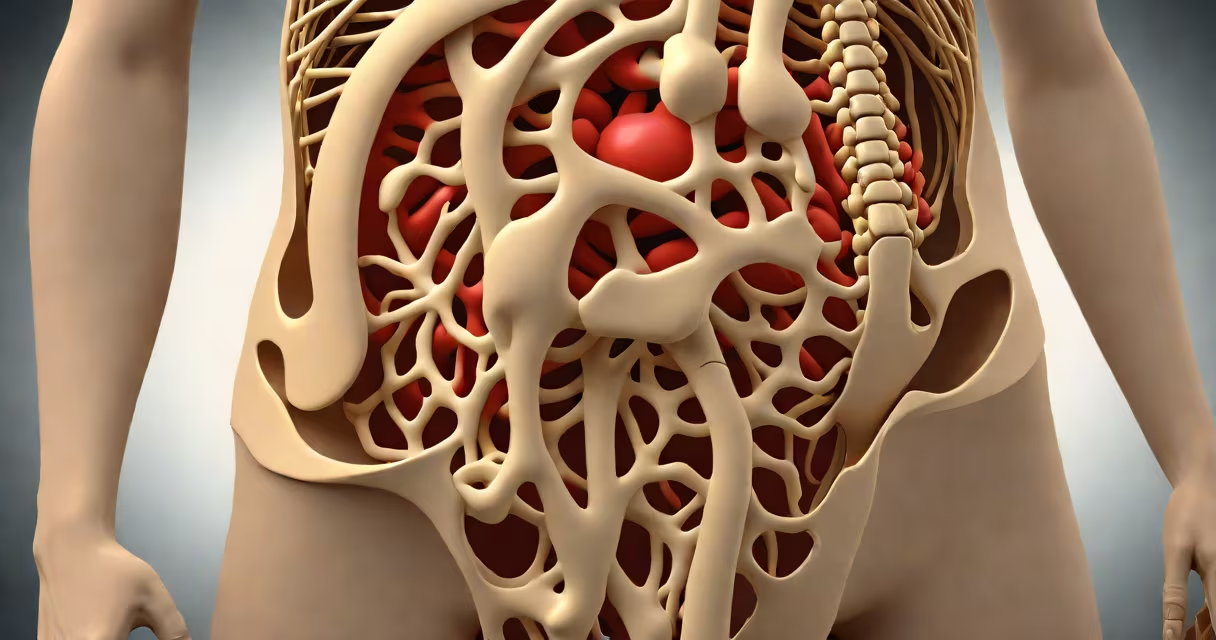
Cramps in my lower left abdomen refer to intermittent or persistent discomfort in the left side of the lower belly, often linked to digestive processes, reproductive function, or underlying gastrointestinal conditions. This area houses parts of the colon, reproductive organs in women, and nerves that transmit pain signals.
The sensation varies widely-sharp, dull, throbbing, or cramping-and may last minutes or persist for hours. It's not a diagnosis but a symptom that points to several possible origins, ranging from benign gas buildup to serious conditions like diverticulitis or ectopic pregnancy.
Understanding the cause requires context: timing relative to menstruation, bowel movements, diet, and whether the pain worsens with movement or pressure. Ignoring recurring or severe episodes risks missing treatable issues.
Pain in the lower left abdomen arises when tissues or organs in that region are stretched, inflamed, or irritated. Nerve endings in the abdominal wall and internal organs send signals to the spinal cord and brain, interpreted as cramping or sharp pain.
For example, during digestion, the sigmoid colon (the S-shaped segment of the large intestine near the left hip) contracts to move stool. If gas builds up or stool becomes hard, contractions intensify, causing cramping. These contractions are normal but can become painful when excessive or uncoordinated.
Another mechanism involves inflammation. In diverticulitis, small pouches in the colon wall become infected. As they swell, they press on nearby nerves and blood vessels, triggering localized pain. A 2021 study in *The American Journal of Gastroenterology* found that 60% of patients with acute diverticulitis reported pain specifically in the lower left quadrant.
Several distinct conditions explain cramps in my lower left abdomen. The most frequent include gas, menstrual cycles, constipation, and gastrointestinal infections. Less common but serious causes include diverticulitis, inflammatory bowel disease, and ovarian cysts.
| Condition | Typical Pain Pattern | Associated Symptoms | Prevalence |
|---|---|---|---|
| Gas in lower left abdomen | Sharp, sudden, may move around | Bloating, passing gas, relief after flatulence | Very common; affects ~70% of adults monthly |
| Menstrual cramps (dysmenorrhea) | Dull, throbbing, cyclical | Worsens before/with period, may radiate to back | Affects ~50% of menstruating people |
| Diverticulitis | Constant, worsening pain over days | Fever, nausea, change in bowel habits | ~10% of people over 60 develop it |
| Constipation | Cramp-like, relieved by bowel movement | Hard stools, straining, bloating | Common; affects ~16% of US adults |
Gas in the lower left abdomen is often overlooked. It accumulates when bacteria ferment undigested carbohydrates in the colon. Beans, cruciferous vegetables, and carbonated drinks increase gas production. A 2019 review in *Gut* noted that gas-related abdominal pain accounts for nearly 40% of outpatient GI visits in primary care.
Menstrual cramps result from prostaglandin release during menstruation. These chemicals trigger uterine contractions that can radiate to the lower abdomen. For many, pain peaks on day 1 or 2 of the cycle and eases within 48 hours. Over-the-counter NSAIDs reduce prostaglandin activity and relieve cramping in 70% of users, according to the American College of Obstetricians and Gynecologists (ACOG).
Not all cramps require medical attention. But certain red flags demand prompt evaluation. Severe, unrelenting pain lasting more than 24 hours, especially with fever, vomiting, or inability to pass stool or gas, suggests a bowel obstruction or perforation.
Women experiencing cramps in my lower left abdomen with missed periods, dizziness, or shoulder pain should consider ectopic pregnancy. This occurs when a fertilized egg implants outside the uterus, usually in a fallopian tube. Left untreated, it can rupture and cause life-threatening internal bleeding. The CDC reports that ectopic pregnancies occur in about 1 in 100 pregnancies and account for 10% of pregnancy-related deaths.
Another concern is diverticulitis. While mild cases resolve with antibiotics and dietary changes, severe cases may require hospitalization. A CT scan confirms the diagnosis in 95% of cases, per guidelines from the American Society of Colon and Rectal Surgeons.
I once observed a patient with persistent lower left abdominal pain who initially dismissed it as gas. After three days of worsening pain and low-grade fever, imaging revealed a 3 cm abscess from diverticulitis. He required IV antibiotics and later surgery. This case underscores that self-diagnosis based on past experiences can delay treatment.
Many assume that all lower left abdominal pain stems from gas or menstrual cycles. This assumption leads to underdiagnosis of serious conditions. For example, early-stage diverticulitis mimics gas pain-both cause cramping and bloating-but diverticulitis progresses rapidly and can lead to complications like fistulas or sepsis.
Another misconception is that cramps in my lower left abdomen always improve with laxatives. In reality, laxatives can worsen pain if constipation results from a structural issue like a tumor or stricture. A 2020 study in *Clinical Gastroenterology and Hepatology* found that 12% of patients with chronic left-sided pain had a colonic mass initially missed due to laxative use.
People often confuse left-sided pain with right-sided conditions. For instance, appendicitis typically begins with central pain that migrates to the lower right abdomen. However, rare cases of retrocecal appendix (behind the cecum) can present with left-sided pain. Misdiagnosis delays treatment and increases risk of rupture.
If cramps in my lower left abdomen persist beyond 48 hours, worsen, or come with warning signs, see a healthcare provider. Initial evaluation includes a physical exam, medical history, and possibly blood tests, urine analysis, or imaging.
For suspected gas, dietary logs and elimination diets help identify triggers. Reducing intake of high-FODMAP foods-like onions, garlic, wheat, and dairy-can reduce gas-related pain by up to 60%, per research from Monash University.
For menstrual cramps, ACOG recommends ibuprofen 400 mg every 6 hours as first-line treatment. If ineffective, hormonal birth control may be prescribed to regulate cycles and reduce prostaglandin levels.
For suspected diverticulitis, a CT scan with contrast is standard. Mild cases are treated with oral antibiotics (e.g., ciprofloxacin and metronidazole) and a clear liquid diet. Severe cases require hospitalization and sometimes surgery.
Cramps in my lower left abdomen are not a single condition but a symptom with multiple roots. Accurate identification depends on pattern, duration, associated symptoms, and clinical assessment. Early intervention prevents complications and improves outcomes.