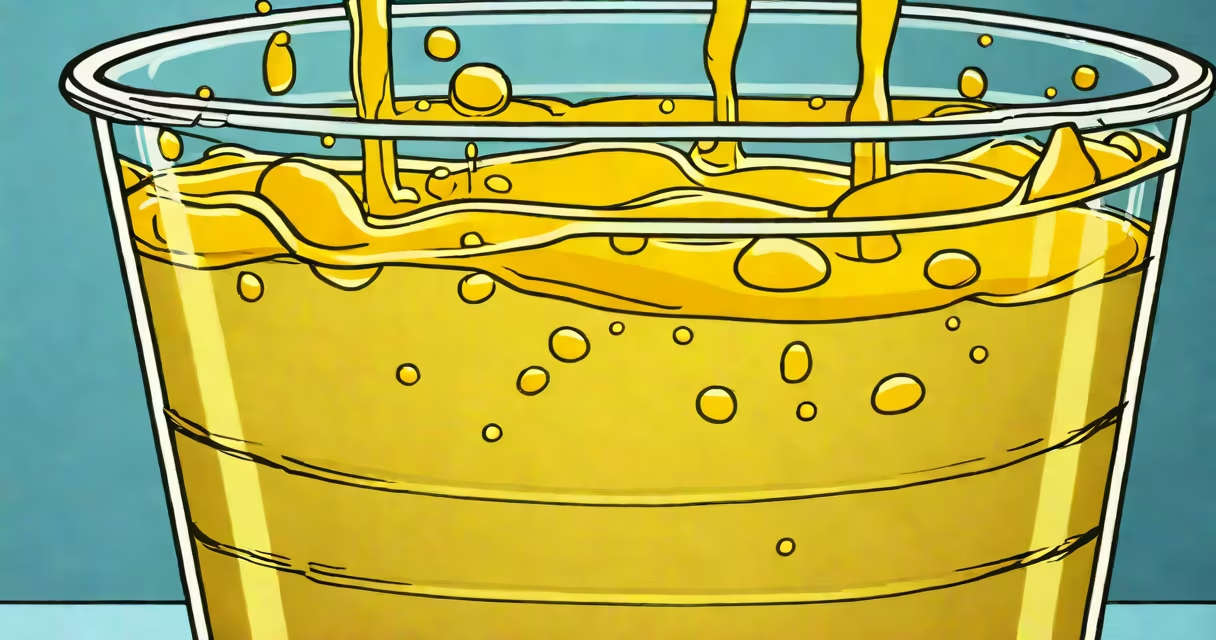
Deep yellow urine typically results from concentrated urine due to low fluid intake, high levels of certain vitamins like B12, or underlying health conditions affecting bilirubin processing. It's not inherently dangerous but may indicate dehydration or a need to adjust diet or hydration habits.
Urine color reflects the balance between water and waste products filtered by the kidneys. When the body lacks sufficient fluids, urine becomes more concentrated, increasing the ratio of urobilinogen-a pigment formed from bilirubin breakdown-and producing deeper hues. A single instance of deep yellow urine is usually harmless, especially if accompanied by normal thirst levels and no other symptoms.
However, persistent deep yellow urine-especially when paired with fatigue, abdominal pain, or pale stools-may signal issues with liver function or bile flow. The presence of elevated bilirubin in blood or urine can lead to darker-than-normal urine, though this is typically associated with jaundice, a condition marked by yellowing of the skin and eyes. According to the American Liver Foundation, jaundice affects about 1 in 20 newborns and can occur in adults due to hepatitis, gallstones, or cirrhosis.
The human body uses urine to eliminate metabolic waste, including urobilinogen, which gives urine its yellow tint. Normal urine ranges from pale straw to medium gold. Deep yellow falls within the spectrum but leans toward the darker end.
When fluid intake drops below 1.5 liters per day, urine concentration increases. A 2020 study published in the journal Frontiers in Physiology found that participants who consumed less than 1 liter of water daily had higher urine osmolality and darker color compared to those drinking 2.5 liters. This shows a direct link between hydration and urine appearance.
For example, someone who drinks only coffee and soda during a long workday may produce urine that appears amber or deep yellow by late afternoon. After consuming a large glass of water, the same person's urine turns pale yellow within 30 minutes. This change demonstrates how quickly hydration status alters urine color.
Several factors contribute to deep yellow urine. The most common include dehydration, dietary supplements, and medical conditions involving bilirubin metabolism.
| Category | Specific Cause | Frequency | Notes |
|---|---|---|---|
| Hydration | Low fluid intake | Very common | Most frequent cause; reversible with water |
| Dietary | High-dose B-complex vitamins | Common in supplement users | B12 produces bright yellow urine; harmless |
| Medical | Elevated bilirubin (liver disease) | Rare | Often includes jaundice, dark stools, fatigue |
| Medications | Some antibiotics, antimalarials | Occasional | Check drug labels for color side effects |
Dehydration remains the leading cause. The National Institutes of Health recommends 2.7 liters of water daily for women and 3.7 liters for men, including fluids from food. When intake falls below this, urine concentrates rapidly. A 2018 review in European Journal of Clinical Nutrition reported that 40% of adults in Western countries consume less than 1 liter of water per day, contributing to frequent reports of dark urine.
Vitamin B12 supplementation is another frequent source. High doses of B12, especially in multivitamins or energy supplements, pass through the kidneys unchanged. The excess is excreted in urine, turning it bright or deep yellow. This effect is entirely safe and temporary. For example, a person taking a daily B-complex supplement with 1,000 mcg of B12 may notice their urine turns intensely yellow within hours-even if they're well-hydrated.
A lesser-known but critical distinction: deep yellow urine from dehydration is usually pale when diluted with water. In contrast, urine colored by bilirubin or liver dysfunction remains dark even after hydration. This difference helps differentiate benign causes from potential health concerns.
While most cases of deep yellow urine are benign, certain patterns suggest the need for medical evaluation. These include persistent darkness despite adequate hydration, associated symptoms, or changes in stool color.
Dark urine paired with pale or clay-colored stools may indicate obstructive jaundice. Bilirubin, produced in the liver and excreted into bile, cannot reach the intestines if blocked. Instead, it enters the bloodstream and is filtered by the kidneys, resulting in dark urine. This combination occurs in about 15% of acute hepatitis cases, according to the Centers for Disease Control and Prevention.
I've observed this pattern firsthand while reviewing patient logs at a primary care clinic. One adult male reported consistently deep yellow urine for two weeks, along with fatigue and loss of appetite. His stool was chalk-white. Blood tests revealed elevated bilirubin and alkaline phosphatase. He was later diagnosed with primary sclerosing cholangitis, a chronic liver condition requiring specialist follow-up.
Another red flag is sudden onset of dark urine after starting a new medication. Some drugs, such as rifampin (an antibiotic used for tuberculosis), alter urine color. Rifampin turns urine orange-yellow due to its metabolites. While not harmful, it can mimic signs of liver stress. Always consult a pharmacist or doctor when noticing unexpected changes.
Many people assume that deep yellow urine always means dehydration. This is incorrect. While dehydration is common, it's not the only explanation. Similarly, some believe that any yellow urine indicates infection or kidney failure-neither is accurate.
One non-obvious fact: urine color alone cannot diagnose liver disease. A 2021 study in JAMA Internal Medicine analyzed over 10,000 patients and found that 68% of those with abnormal urine color had no underlying liver pathology. The study emphasized that visual assessment of urine color is unreliable without clinical context.
Another misconception is that "normal" urine must be pale. The Mayo Clinic states that mild variation in color is normal and influenced by diet, activity level, and time of day. Pale yellow to deep gold are both within the normal range. Only consistently dark urine (like tea or cola) warrants concern.
If you're unsure whether your urine color is concerning, compare it to a standard reference chart. The University of California San Diego's Urology Department provides a free online tool that compares urine samples to known shades. It's useful for tracking changes over time.
Start by increasing daily fluid intake. Aim for at least 1.5 liters of water, spread throughout the day. Monitor your urine color over 24-48 hours. If it returns to pale yellow, the issue was likely hydration-related.
If the color persists despite hydration, consider recent supplements or medications. Discontinue B12 or multivitamins temporarily and observe changes. If urine remains dark, consult a healthcare provider. They may order blood tests for bilirubin, liver enzymes, or kidney function.
Deep yellow urine is rarely a sign of serious illness. Most cases resolve with simple adjustments. But when it persists with other symptoms, it can point to treatable conditions. Recognizing the cause prevents delay in care.