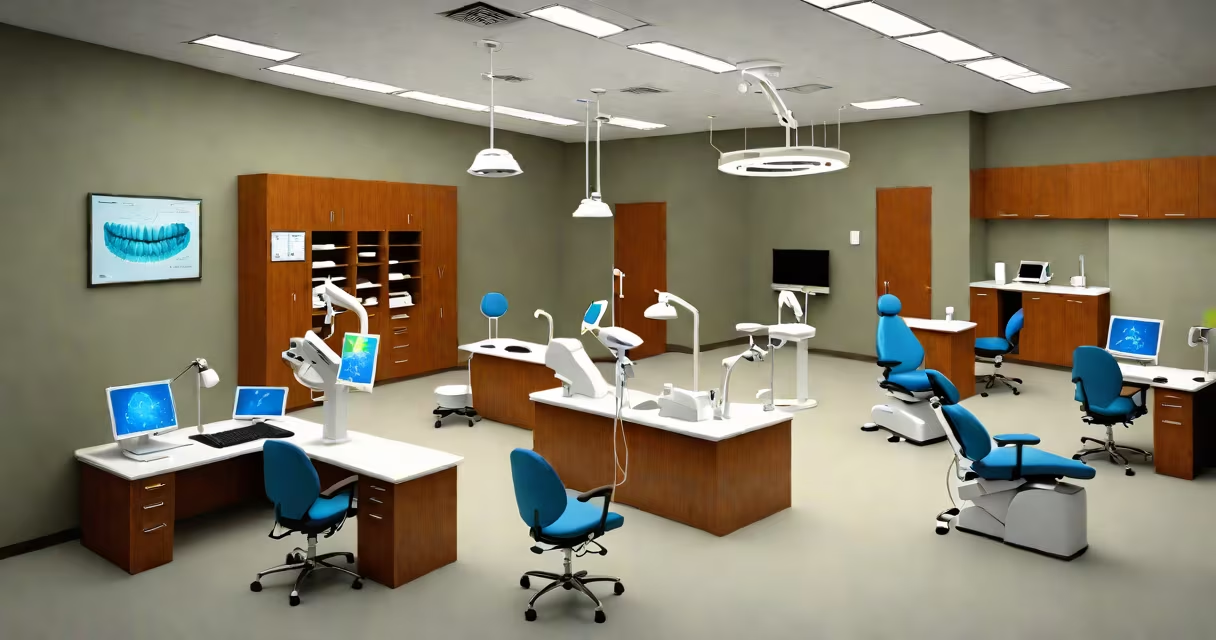
Urgent care dental offers immediate treatment for dental emergencies such as severe tooth pain, broken or knocked-out teeth, abscesses, or injuries from accidents. These clinics provide walk-in access without appointments and treat conditions that require attention within hours, not days.
Unlike routine dental visits focused on cleanings and preventive care, urgent care dental addresses acute issues that cause significant discomfort or risk further damage. Services include pain relief, temporary fillings, extraction of severely damaged teeth, and stabilization of injuries. Most clinics operate during extended hours, including evenings and weekends, making them accessible when traditional dental offices are closed.
These facilities are typically staffed by licensed dental professionals trained in emergency procedures. They may use basic imaging tools like digital X-rays and have supplies for temporary repairs. While they do not perform complex treatments like root canals or orthodontics, they offer critical interim care until patients can see a specialist.
Patients arrive without an appointment and are triaged based on urgency. A clinician assesses symptoms, reviews medical history, and conducts a visual or imaging exam. If the issue requires immediate intervention, treatment begins promptly. For less severe cases, the provider may recommend follow-up with a dentist or refer to a specialist.
Treatment protocols follow clinical guidelines from organizations like the American Dental Association (ADA). For example, if a tooth is knocked out, the clinic will attempt reimplantation using a saline-soaked container to preserve the tooth. This process must begin within 60 minutes for best outcomes, according to ADA guidelines.
After treatment, patients receive instructions for home care, medication prescriptions (like antibiotics or pain relievers), and a timeline for seeing a general or specialty dentist. Follow-up is essential to prevent complications such as infection or bone loss.
Urgent care dental services exist in two primary forms: standalone clinics and integrated units within larger urgent care centers. Standalone clinics focus exclusively on oral health emergencies, while integrated units handle both medical and dental issues under one roof.
Standalone clinics often operate independently and may be affiliated with national chains. Integrated units are common in multi-service facilities like AdventHealth Urgent Care, which combines medical and dental care. These centers use shared staffing models and electronic health records to coordinate care.
| Type | Common Locations | Typical Wait Time | Scope of Care |
|---|---|---|---|
| Standalone urgent care dental | Shopping centers, medical parks | 30-60 minutes | Pain management, injury stabilization, temporary fillings |
| Integrated dental units | Multi-specialty urgent care centers | 45-90 minutes | Same as above, plus coordination with medical teams |
A non-obvious distinction: not all urgent care centers offer dental services. Only about 12% of U.S. urgent care locations include dental providers, according to a 2023 report by the Urgent Care Association. This limits access in rural areas and underserved urban neighborhoods.
People turn to urgent care dental when their regular dentist is unavailable, especially during holidays, weekends, or after business hours. Common reasons include sudden toothaches, trauma from falls or sports injuries, and infections causing swelling or fever.
For example, a 34-year-old woman experienced intense jaw pain after biting into a hard apple. Her regular dentist was closed, and she couldn't wait until Monday. She visited a nearby urgent care dental clinic, where a clinician diagnosed an impacted wisdom tooth with early signs of infection. The patient received a prescription for amoxicillin, a painkiller, and a referral to an oral surgeon. Within 24 hours, her symptoms improved.
Another frequent scenario involves children who fall off bikes or play sports. A 10-year-old boy lost a front tooth during a soccer game. His parents took him to an urgent care dental center within 45 minutes. The team stabilized the area, placed the tooth in a preservation solution, and arranged for a pediatric dentist evaluation within 24 hours. The tooth was successfully reimplanted.
Urgent care dental is also used when insurance coverage limits access to specialty care. Some patients avoid dental specialists due to cost or lack of referrals. Urgent care clinics offer lower-cost alternatives for immediate relief, though they are not intended for long-term solutions.
Many people mistake urgent care dental for emergency room (ER) services. ERs treat life-threatening conditions like facial fractures, massive bleeding, or airway obstruction. While they can stabilize dental injuries, they lack the specialized tools and training to perform precise dental repairs. Patients with dental emergencies should go to urgent care unless there's a risk of systemic infection or severe trauma.
Another misconception is that urgent care dental handles all dental problems. It does not perform root canals, crowns, implants, or orthodontic work. These require ongoing treatment plans and specialized equipment. Urgent care dental focuses on symptom relief and short-term stabilization.
I once observed a patient at a clinic who believed he could get a permanent crown during a visit. He had a cracked molar and expected full restoration in one hour. The provider explained that temporary measures were possible, but definitive treatment required multiple visits. The patient left frustrated but eventually scheduled a follow-up with his dentist.
Urgent care dental delivers timely treatment for dental crises. It fills gaps in access when regular dental offices are closed or overwhelmed. It is not a replacement for ongoing dental care but serves as a important bridge to prevent worsening conditions.
Urgent care dental is not a substitute for preventive care, but it is a necessary option when time matters. Knowing when to use it ensures better outcomes and fewer long-term consequences.