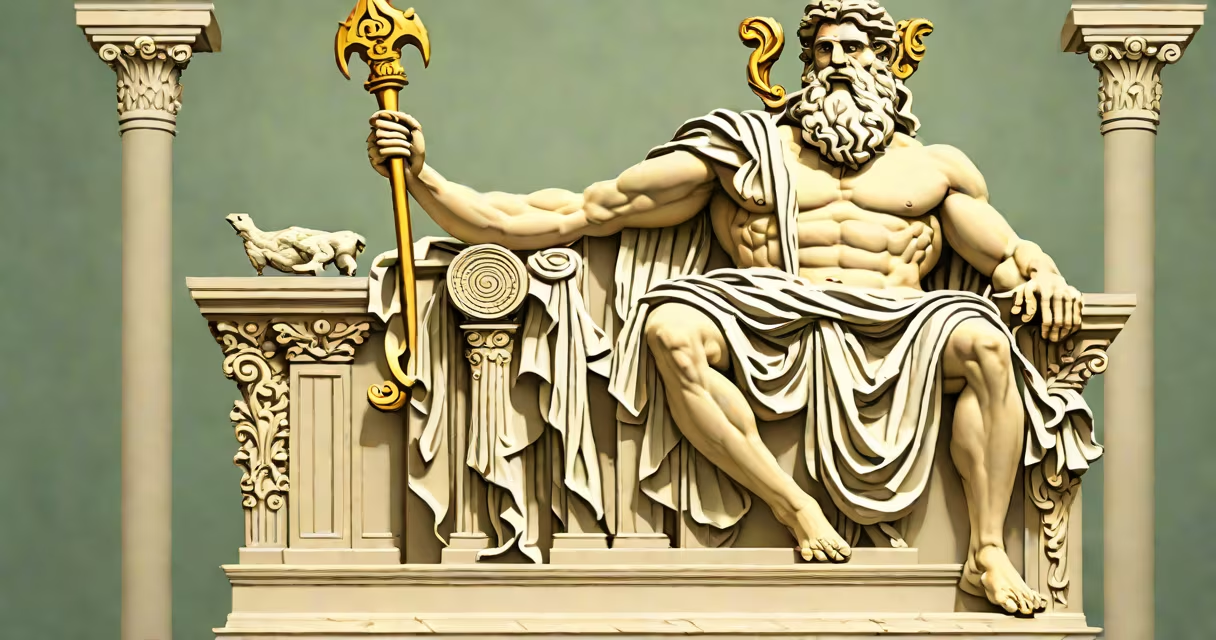
A myth is a traditional story that explains natural phenomena, cultural practices, or fundamental human experiences through symbolic narratives often involving gods, heroes, or supernatural events. These stories are central to shaping worldviews and values within societies, even when they lack literal truth.
Myths are not false because they are untrue-they serve functions beyond factual accuracy. They convey deeper truths about identity, morality, and existence. For example, the Greek myth of Prometheus stealing fire from the gods explains humanity's access to knowledge and technology while warning of consequences for defying divine order.
According to the University of Chicago's Center for the Study of Religion, myths function as "cultural operating systems" that encode shared beliefs and social cohesion. They are not mere entertainment but foundational frameworks for understanding life, death, and the cosmos.
Myths operate through symbolism and repetition. They use recurring motifs-like floods, journeys to the underworld, or divine births-to express universal concerns. These patterns appear across unrelated cultures, suggesting a shared psychological basis.
The Swiss psychologist Carl Jung identified archetypes-universal symbols such as the hero, the trickster, or the wise old man-as core elements of mythic storytelling. His work, cited by the Stanford Encyclopedia of Philosophy, shows that these figures emerge repeatedly in myths worldwide, indicating deep cognitive structures rather than random invention.
For instance, the flood narrative appears in Mesopotamian (Gilgamesh), Hebrew (Noah), and Mesoamerican (Flood of Chicomoztoc) traditions. While details differ, the underlying theme-divine judgment followed by renewal-remains consistent, reflecting a widespread human anxiety about cosmic balance and moral accountability.
Myths fall into several categories based on their subject matter and function:
| Type | Purpose | Example |
|---|---|---|
| Creation myths | Explain the origin of the universe or Earth | Yoruba creation story: Orunmila shapes the world from clay and water |
| Hero myths | Illustrate moral lessons through a protagonist's trials | Beowulf defeats Grendel to protect his people, symbolizing courage against chaos |
| Ritual myths | Justify religious ceremonies or seasonal cycles | Eleusinian Mysteries: Demeter's search for Persephone mirrors agricultural planting and harvest |
| Explanatory myths | Account for natural events or animal behavior | Maori legend: Tāne separates sky and earth to create space for life |
These categories are not rigid. A single myth may serve multiple roles. The story of Orpheus descending to the Underworld combines ritual symbolism (initiation), emotional drama (grief), and metaphysical inquiry (life after death).
Many assume myths are outdated or childish. This confuses myth with fable or fantasy. A fable teaches a moral through animal characters (e.g., "The Tortoise and the Hare"), while a myth deals with existential questions using divine or heroic figures.
Another error is equating myth with falsehood. The Oxford Classical Dictionary clarifies that "myth is not necessarily untrue-it is non-literal." Its truth lies in meaning, not verification. The story of Achilles' heel doesn't need to be scientifically accurate to illustrate vulnerability in strength.
Some confuse myth with religion. While myths often form part of religious systems, not all religious texts are myths. The Bible contains historical accounts, laws, and prophecies alongside mythic passages. Similarly, the Quran includes narratives that resemble myths but are presented as divine revelation.
Myths continue to influence public discourse, politics, and media. The American Dream is a modern myth-a narrative of upward mobility through hard work, despite evidence showing systemic barriers. This story persists because it serves a cultural function: offering hope and reinforcing ideals of meritocracy.
I once observed a group of high school students debating whether the myth of Santa Claus was harmful. Their argument centered on deception. But one student pointed out: "Santa isn't about presents-he's about generosity, wonder, and the idea that good deeds are rewarded." That insight captures the enduring power of myth: it shapes behavior and emotion long after the literal belief fades.
Even scientific institutions use mythic framing. NASA's Mars rover missions have been described using heroic language-"Perseverance lands safely," "Curiosity explores the unknown." These metaphors aren't accidental. They tap into ancient narrative templates to make complex science relatable.
Not all symbolic stories are myths. A parable is a short didactic tale meant to teach a lesson (e.g., the Parable of the Good Samaritan). A legend involves semi-historical figures and local traditions (e.g., King Arthur). Only stories that explain origins, cosmic order, or collective identity through supernatural elements qualify as myths.
Also, myths are not always ancient. The "American Dream" is a 20th-century construct, yet it functions as a myth. So does the "self-made entrepreneur" narrative in Silicon Valley culture. These stories persist because they fulfill psychological and social needs, just like myths from antiquity.
Understanding what does myth mean helps decode cultural narratives. When politicians invoke "freedom" or "justice," they're often referencing mythic ideals, not measurable policies. Recognizing this allows clearer analysis of rhetoric and ideology.
At its core, what does myth mean? It means a story that matters-not because it happened, but because it helps us live.