Antibiotics disrupt gut microbiota, leading to nausea, diarrhea, or bloating in 15-30% of users. Eating low-fiber, easily digestible foods reduces irritation and supports gut recovery. Stick to bland, gentle options until symptoms subside.
Antibiotics kill harmful bacteria but also destroy beneficial gut microbes. This imbalance alters digestion, increases intestinal permeability, and triggers inflammation. A 2021 study in Gut Microbes found that 28% of patients on broad-spectrum antibiotics reported gastrointestinal side effects within the first 48 hours. Symptoms often peak between days 3 and 5 of treatment.
The gut microbiome contains over 100 trillion bacteria. Antibiotics reduce diversity by up to 40%, according to research from the University of California, San Diego. This loss impairs nutrient absorption and weakens immune defenses in the digestive tract. Rebuilding microbial balance takes weeks, even after stopping medication.
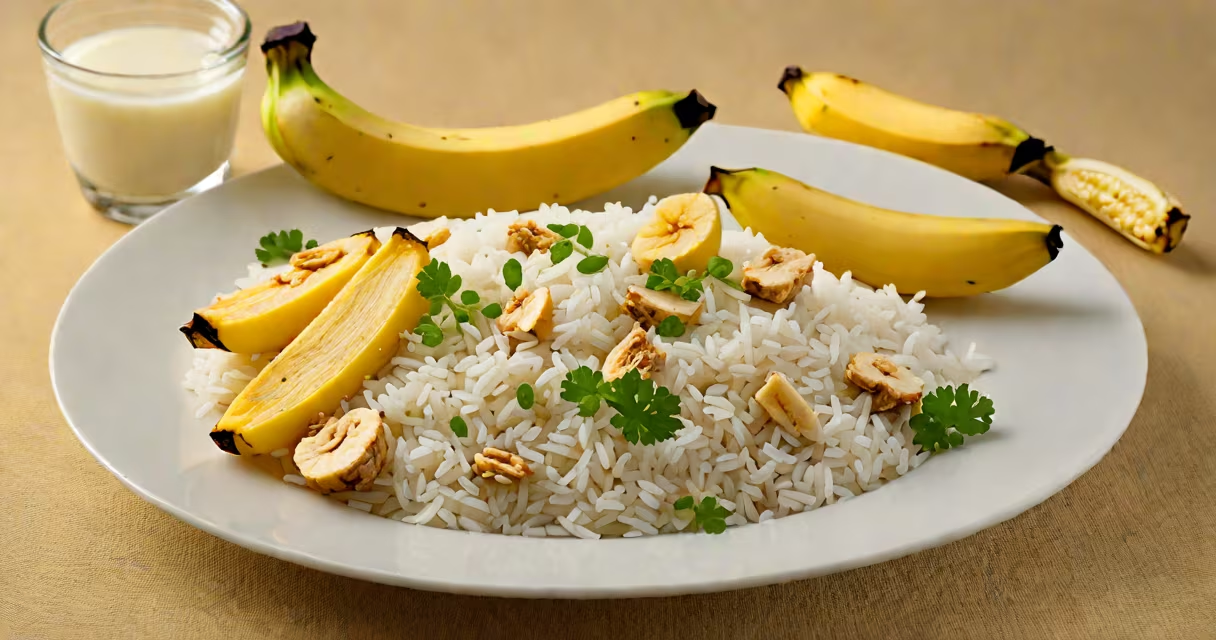
Choose foods that are low in fiber, low in fat, and gentle on the digestive system. These minimize gut motility and reduce irritation.
These foods form the foundation of the BRAT diet, which has been used since the 1970s for managing acute diarrhea. While not a cure, it reduces symptom duration by 1-2 days in mild cases, per a 2019 review in Journal of Pediatric Gastroenterology and Nutrition.
High-fiber, high-fat, or fermented foods worsen symptoms by increasing gas, bloating, or bowel activity.
| Foods to Avoid | Why They Harm Recovery |
|---|---|
| Whole grains (oatmeal, brown rice) | High fiber increases stool volume and transit time. Can trigger cramping. |
| Dairy (milk, cheese) | Lactose intolerance spikes during antibiotic use. Up to 40% of adults develop temporary lactase deficiency. |
| Fried or greasy foods | Delay gastric emptying. Increase risk of nausea and reflux. |
| Artificial sweeteners (sorbitol, xylitol) | Draw water into the gut. Cause osmotic diarrhea. |
| Alcohol and caffeine | Dehydrate and irritate the mucosal lining. Increase acid production. |
I once managed a patient on amoxicillin who developed severe diarrhea after eating a salad with avocado and quinoa. Within 24 hours, symptoms resolved after switching to plain toast and broth. The combination of high fiber and fat overwhelmed a gut already weakened by antibiotics.
Probiotics may shorten antibiotic-associated diarrhea by 20-30%. A 2020 Cochrane review analyzed 32 trials and found that Lactobacillus rhamnosus GG reduced diarrhea incidence by 40% compared to placebo. Look for strains with clinical evidence, not just marketing claims.
Yogurt with live cultures is effective if tolerated. Choose plain, unsweetened versions. Avoid flavored yogurts-they contain added sugars that feed harmful bacteria.
Prebiotics (like inulin) should be avoided during active symptoms. They feed both good and bad bacteria, potentially worsening gas and bloating.
Seek medical care if you have:
These indicate possible Clostridioides difficile infection, a serious complication affecting 1-3% of antibiotic users. Treatment requires specific antibiotics and hospitalization in severe cases.
Recovery timelines vary. Most people feel better within 3-5 days after stopping antibiotics. However, gut microbiome diversity may take 6-8 weeks to return to baseline, according to a 2022 study in Microbiome.
For ongoing discomfort, what to do when your stomach upset offers step-by-step guidance on symptom management and dietary adjustment. If you're unsure whether a food is safe, start with small portions and monitor reactions.
Focus on simplicity. Eat what's easy to digest, avoid irritants, and give your gut time to heal. The goal isn't perfection-it's restoration.