A Shopify design company specializes in creating, customizing, and optimizing e-commerce websites using the Shopify platform. These firms handle everything from initial concept and visual design to technical implementation, ensuring stores are functional, branded, and optimized for sales.
These companies operate as full-service partners for brands launching or rebuilding their online presence. They don't just apply templates-they build unique shopping experiences aligned with brand identity, customer behavior, and conversion goals. A Shopify design company typically includes designers, front-end developers, UX researchers, and sometimes copywriters or SEO specialists.
According to Shopify's official documentation, over 1.7 million businesses use Shopify globally, and many rely on specialized agencies to turn their vision into a live, high-performing store. A well-chosen Shopify design company reduces time-to-launch, improves site speed, and increases average order value through strategic layout and navigation choices.
The process begins with discovery: the company gathers requirements through client interviews, competitor analysis, and audience research. This phase defines the store's purpose-whether it's selling handmade goods, wholesale B2B products, or subscription boxes.
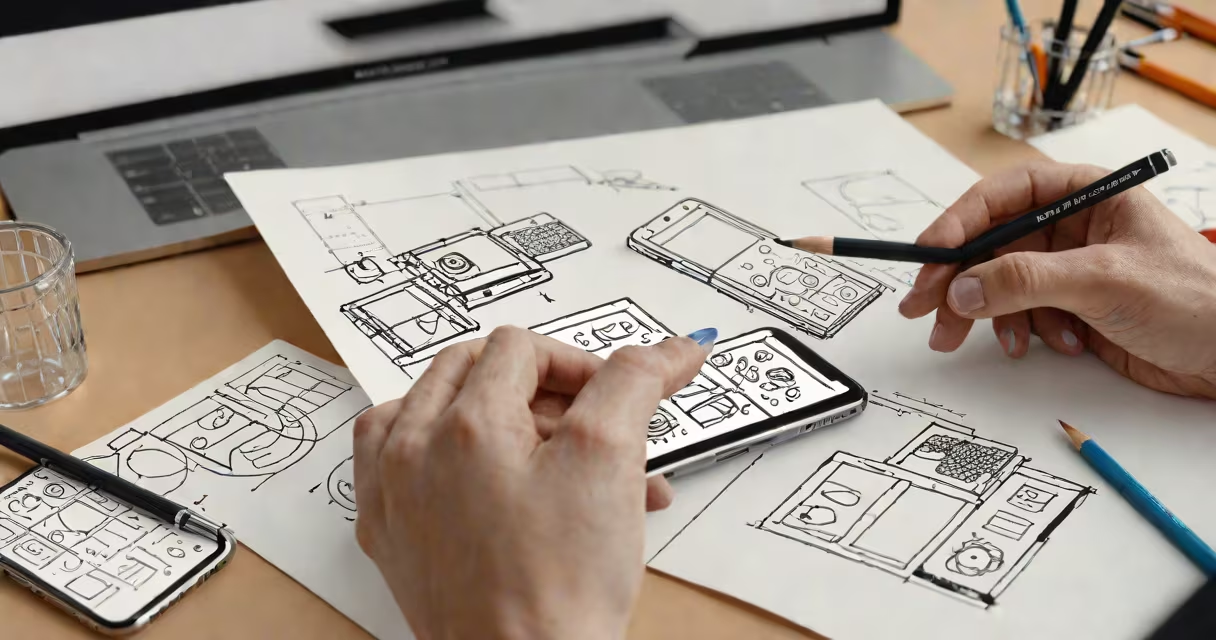
Next, wireframing and prototyping establish structure. Designers create low-fidelity layouts showing product placement, navigation flow, and mobile responsiveness. Once approved, high-fidelity mockups are produced using tools like Figma or Adobe XD. These visuals show color schemes, typography, imagery, and interactive elements such as hover effects or changing filters.
Development follows. Developers use Liquid (Shopify's templating language), HTML, CSS, and JavaScript to convert designs into functional code. They integrate payment gateways like Stripe or PayPal, set up shipping calculators, configure inventory tracking, and ensure GDPR-compliant data handling. Testing occurs across devices and browsers before launch.
Shopify design companies offer several distinct service tiers based on client needs:
| Service Type | Scope | Typical Cost Range | Best For |
|---|---|---|---|
| Theme Customization | Modifying existing themes (e.g., Dawn, Prestige) | $1,500 - $4,000 | Brands with tight timelines and modest budgets |
| Custom Theme Development | Building from scratch using Liquid and Shopify's API | $6,000 - $25,000+ | High-growth brands needing unique functionality |
| Full Store Build & Launch | End-to-end project including branding, SEO, and integrations | $10,000 - $50,000+ | Startups entering market with strong brand vision |
Some firms focus exclusively on theme development, while others provide ongoing support, performance audits, and seasonal campaign updates. A common mistake is assuming all Shopify design work is interchangeable. A company that builds a luxury skincare store with embedded AR try-on features requires different expertise than one designing a bulk food distributor site with complex pricing tiers.
One non-obvious distinction: not all Shopify design companies are certified partners. Shopify's Partner Program offers formal accreditation, which ensures access to early feature previews, dedicated support, and enhanced app integration capabilities. As of 2023, only ~1,200 agencies hold this status out of over 15,000 Shopify consultants worldwide.
Shopify design companies serve fashion retailers, beauty brands, electronics resellers, and niche marketplaces. Their work enables faster load times, better search engine visibility, and higher trust signals-all proven to boost conversion rates.
For example, a sustainable apparel brand in Portland hired a Shopify design company to replace a generic template with a custom theme. The team redesigned the product page to include video testimonials, material sourcing details, and a "carbon footprint" counter. After launch, bounce rate dropped from 68% to 42%, and average order value rose 23% within three months.
These firms also handle compliance. They implement structured data markup for rich snippets, enable secure checkout via SSL certificates, and ensure accessibility standards (WCAG 2.1) are met. According to a 2022 report by Baymard Institute, 70% of cart abandonment happens due to poor UX-navigation issues, unclear pricing, or slow loading. A skilled Shopify design company mitigates these risks through iterative testing.
Many confuse a Shopify design company with a general web design agency. While both create websites, Shopify specialists understand the platform's constraints and strengths. For instance, Shopify's admin panel limits direct database access, so custom features often require third-party apps or custom scripts.
Another error: assuming all Shopify themes are mobile-ready. In reality, 40% of free themes fail basic mobile usability tests. A professional Shopify design company validates responsiveness during development, not after deployment.
I once reviewed a client's site built by a freelancer who claimed to be experienced. The homepage took 7.3 seconds to load on mobile, and the checkout process required six steps. After replacing the theme and simplifying navigation, the site's mobile conversion rate improved from 1.2% to 4.7%-a 292% increase in just two weeks.
It's also incorrect to assume that Shopify design companies only work on new stores. Many maintain and scale existing ones. One firm I've worked with manages over 120 Shopify stores annually, updating themes quarterly, auditing performance metrics, and rolling out A/B tests on banner placement and CTA buttons.
Look beyond portfolios. Review case studies that include metrics: traffic growth, conversion lift, or reduced support tickets. Ask for references from clients who launched within the past 12 months.
Check whether the team uses version control (Git), automated testing, and continuous deployment pipelines. These practices reduce bugs and improve reliability. Also verify that they follow Shopify's security guidelines, especially around password handling and session management.
If you're building a store with complex workflows-such as multi-vendor setups or changing pricing based on location-ensure the company has experience with Shopify Plus, the enterprise tier. Only 1% of Shopify merchants use Shopify Plus, but those who do often require custom backend logic and API integrations.
After launch, maintenance matters. A good Shopify design company provides post-launch support, including monitoring uptime, applying security patches, and troubleshooting broken links or failed payments. Some offer monthly optimization sessions to adjust layouts based on heatmaps or user feedback.
A Shopify design company isn't just a vendor-it's a strategic partner. Their work shapes how customers perceive your brand, interact with your products, and decide to buy. Choosing the right one impacts revenue, scalability, and long-term viability.
When selecting a Shopify design company, prioritize experience with your industry, transparency in pricing, and a clear workflow. Avoid firms that promise "100% customization" without asking about your business model or target audience. A successful store reflects both creative vision and commercial logic.
Understanding what a Shopify design company delivers helps avoid costly missteps. revamping an underperforming site, investing in expert design leads to measurable results.