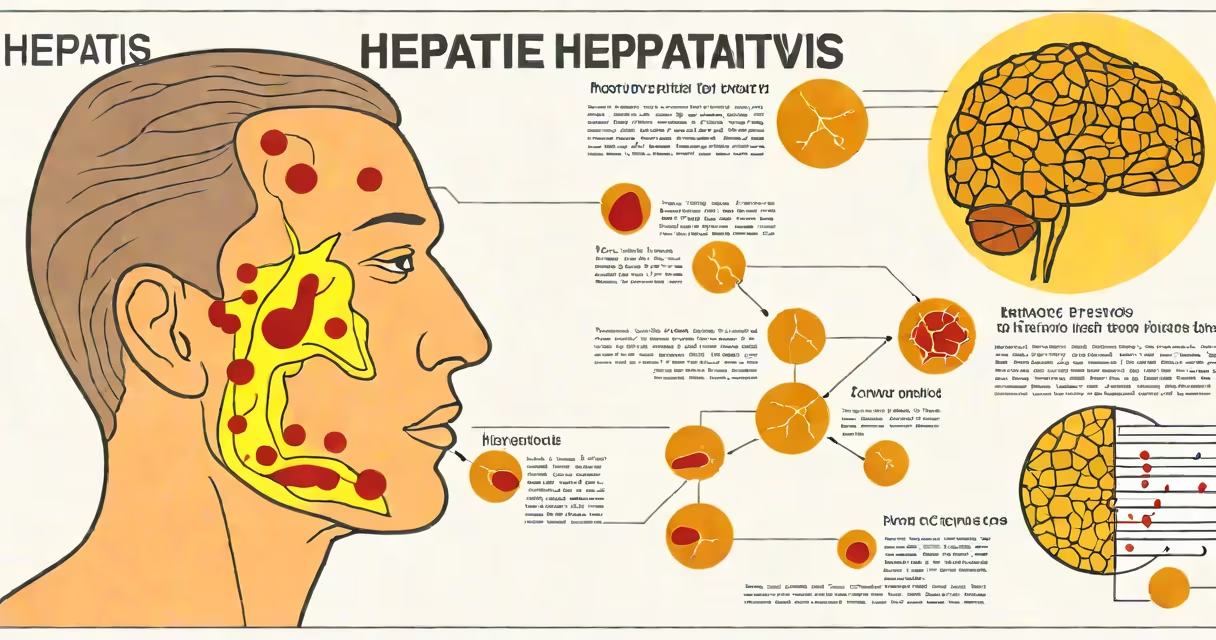
Signs of hepatitis refer to physical and systemic symptoms caused by inflammation of the liver, often due to viral infection, autoimmune conditions, or toxin exposure. These include fatigue, jaundice, dark urine, abdominal pain, and nausea. Early detection improves outcomes.
Hepatitis occurs when the liver becomes inflamed, impairing its ability to filter toxins, produce proteins, and process nutrients. The most common causes are viruses-specifically hepatitis A, B, and C-but alcohol, medications, and autoimmune disorders can also trigger it. Symptoms may appear suddenly or develop slowly over months.
The Centers for Disease Control and Prevention (CDC) notes that up to 70% of people with hepatitis C show no initial symptoms, making screening critical for at-risk groups. The American Liver Foundation adds that unrecognized hepatitis can progress to cirrhosis or liver cancer over time.
Liver inflammation disrupts normal function. When hepatocytes (liver cells) are damaged, bilirubin-a breakdown product of red blood cells-accumulates in the bloodstream. This leads to jaundice, the sign sign of liver dysfunction: yellowing of the skin and eyes.
Other symptoms arise from metabolic disruption. Fatigue results from reduced energy production and detoxification failure. Nausea and loss of appetite stem from impaired digestion and altered hormone regulation. Abdominal discomfort often signals liver enlargement or swelling.
A 2021 study in *Gastroenterology* found that patients with chronic hepatitis B reported persistent fatigue in 68% of cases, even when liver enzymes were within normal ranges. This shows that symptom severity doesn't always correlate with lab values.
Different forms of hepatitis present distinct patterns. Hepatitis A typically causes acute illness with sudden onset. Hepatitis B and C often remain asymptomatic for years before causing significant damage.
| Type | Onset | Key Signs | Duration |
|---|---|---|---|
| Hepatitis A | Sudden | Fever, nausea, dark urine, jaundice | Acute (resolves in weeks) |
| Hepatitis B | Gradual or sudden | Fatigue, joint pain, mild jaundice | Can become chronic (long-term) |
| Hepatitis C | Insidious | Often silent; fatigue, mild abdominal discomfort | Chronic in 75-85% of cases |
Autoimmune hepatitis presents with overlapping features: fatigue, joint pain, and skin rashes. It's more common in women and can mimic other liver diseases. Diagnosis requires blood tests for autoantibodies and liver biopsy.
Alcoholic hepatitis develops after prolonged heavy drinking. Symptoms include fever, abdominal tenderness, and confusion due to hepatic encephalopathy. It's life-threatening in severe cases and requires immediate medical intervention.
Many assume jaundice is the first sign. But in early stages, especially with hepatitis C, fatigue and vague malaise are more frequent. A 2020 CDC report found that 60% of people diagnosed with hepatitis C had no visible jaundice at diagnosis.
Another misconception is that all hepatitis causes obvious illness. In reality, chronic hepatitis often progresses silently. The National Institute of Diabetes and Digestive and Kidney Diseases (NIDDK) states that up to 50% of people with chronic hepatitis B have no symptoms until advanced fibrosis is detected.
Some confuse hepatitis signs with general tiredness or stress. Persistent fatigue lasting more than two weeks, especially with unexplained weight loss or dark urine, warrants evaluation. A single symptom isn't diagnostic, but clusters increase clinical suspicion.
In 2022, a 45-year-old man presented with unexplained fatigue and occasional nausea. He drank alcohol occasionally and had no history of IV drug use. Initial labs showed elevated ALT (alanine aminotransferase) at 120 U/L (normal: 7-56). Bilirubin was normal, and he had no jaundice.
Further testing revealed positive anti-HCV antibodies and detectable HCV RNA. He was diagnosed with chronic hepatitis C. Despite minimal symptoms, his liver enzyme elevation signaled ongoing inflammation. Treatment with direct-acting antivirals led to sustained virologic response within 12 weeks.
This case illustrates that signs of hepatitis can be subtle. Routine blood work caught the issue before structural damage occurred. The patient had no classic symptoms like jaundice or abdominal pain-just fatigue and mild digestive upset.
See a healthcare provider if you experience any of the following: persistent fatigue, dark urine, pale stools, yellowing skin or eyes, upper right abdominal pain, or unexplained weight loss. These signs warrant blood tests for liver enzymes, viral markers, and imaging.
People with risk factors-such as past IV drug use, unprotected sex with multiple partners, or exposure to contaminated blood-should be screened regardless of symptoms. The CDC recommends one-time hepatitis C testing for adults aged 18-79.
Understanding signs of hepatitis empowers timely action. Recognizing fatigue, dark urine, or abdominal discomfort as potential red flags can lead to earlier diagnosis and better outcomes. If you suspect liver involvement, consult a provider familiar with liver disease.