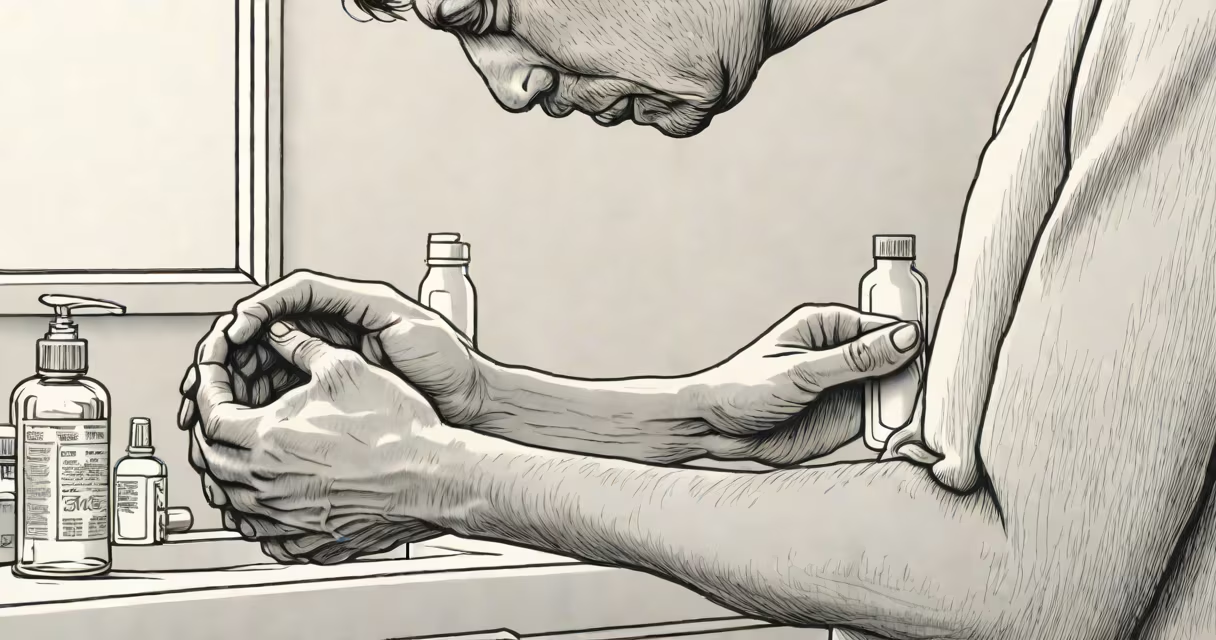
Sickness acid reflux describes recurring episodes of heartburn and regurgitation caused by stomach acid flowing backward into the esophagus, often indicating gastroesophageal reflux disease (GERD) when it occurs more than twice a week.
Acid reflux happens when the lower esophageal sphincter (LES)-a ring of muscle at the top of the stomach-fails to close properly. This allows acidic gastric contents to rise into the esophagus, irritating its lining and causing pain. While occasional acid reflux is common, sickness acid reflux implies a pattern of symptoms that disrupt daily life and may lead to complications such as esophagitis or Barrett's esophagus if left untreated.
The American College of Gastroenterology defines GERD as acid reflux occurring at least twice weekly or causing significant discomfort. Sickness acid reflux is not a formal medical diagnosis but a descriptive term used to convey the burden of ongoing reflux symptoms. It reflects a condition that requires attention beyond over-the-counter remedies.
When food enters the stomach, it mixes with hydrochloric acid to break down proteins. Normally, the LES closes tightly after swallowing, preventing acid from moving upward. In sickness acid reflux, the LES weakens or relaxes inappropriately, allowing acid to escape.
Several factors contribute to this failure. Increased abdominal pressure-caused by obesity, pregnancy, or tight clothing-can push stomach contents upward. Certain foods and drinks, including caffeine, alcohol, chocolate, citrus fruits, and spicy meals, relax the LES or increase acid production. Smoking reduces saliva flow, which normally neutralizes acid, and delays stomach emptying.
A 2022 study published in *Gastroenterology* found that 20% of adults in the U.S. report weekly acid reflux symptoms, with 6% meeting criteria for GERD. Persistent reflux can damage the esophageal lining, leading to inflammation (esophagitis), ulcers, or scarring that narrows the esophagus.
While sickness acid reflux is a symptom pattern rather than a formal classification, it overlaps with several clinical categories:
| Type | Description | Common Triggers |
|---|---|---|
| Non-erosive reflux disease (NERD) | Reflux symptoms without visible esophageal damage on endoscopy | Stress, eating late, lying down after meals |
| Erosive esophagitis | Visible mucosal damage in the esophagus due to acid exposure | High-fat diets, alcohol, NSAIDs |
| Barrett's esophagus | Pre-cancerous change in esophageal cells due to long-term acid exposure | Chronic GERD lasting over 10 years |
Trigger patterns vary widely. A 2021 survey by the National Institute of Diabetes and Digestive and Kidney Diseases (NIDDK) showed that 70% of people with frequent reflux identified large meals, alcohol, and lying down within two hours of eating as key contributors. Chocolate and mint were cited by 45% of respondents as personal triggers.
One overlooked factor is medication-induced reflux. Proton pump inhibitors (PPIs) reduce acid, but long-term use may worsen reflux in some patients. Conversely, drugs like calcium channel blockers (for blood pressure) and certain antidepressants can relax the LES. Always review medications with a healthcare provider if reflux persists.
Sickness acid reflux is often mistaken for heart attacks or anxiety-related chest pain. While both can cause chest tightness, acid reflux typically worsens after eating or when lying down and improves with antacids. Heart attack pain is usually constant, radiates to the arm or jaw, and doesn't respond to antacids.
Another error is equating heartburn with indigestion. Indigestion (dyspepsia) involves upper abdominal discomfort, bloating, or early satiety. It may coexist with reflux but stems from different mechanisms-often delayed gastric emptying or gastritis. True sickness acid reflux centers on retrograde acid movement, not just stomach discomfort.
A non-obvious distinction: acid reflux can occur without heartburn. Some individuals experience silent reflux-where acid reaches the throat or lungs without burning sensation. Symptoms include chronic cough, hoarseness, or recurrent pneumonia. These cases are underdiagnosed because they lack classic signs.
Consider a 42-year-old office worker who reports waking up with a sour taste in the mouth and a persistent sore throat. He eats lunch at his desk, drinks coffee throughout the afternoon, and lies down after dinner. His symptoms began six months ago and have worsened despite using over-the-counter antacids.
He visits a gastroenterologist. An endoscopy reveals mild esophagitis. He is diagnosed with GERD and prescribed a proton pump inhibitor. After four weeks, symptoms improve. He modifies diet-cutting out coffee and spicy foods-and avoids lying down for three hours after eating.
This case illustrates that sickness acid reflux often requires more than lifestyle changes alone. A 2023 clinical guideline from the American Gastroenterological Association recommends PPI therapy for confirmed GERD, especially when symptoms interfere with sleep or work.
When symptoms persist despite treatment, further evaluation is needed. A pH impedance test measures acid exposure in the esophagus over 24 hours. High-resolution manometry assesses LES function. These tests help distinguish between typical reflux and functional disorders.
Recognizing sickness acid reflux as a sign of underlying dysfunction-not just a minor annoyance-leads to better outcomes. Early intervention reduces the risk of complications and restores quality of life.