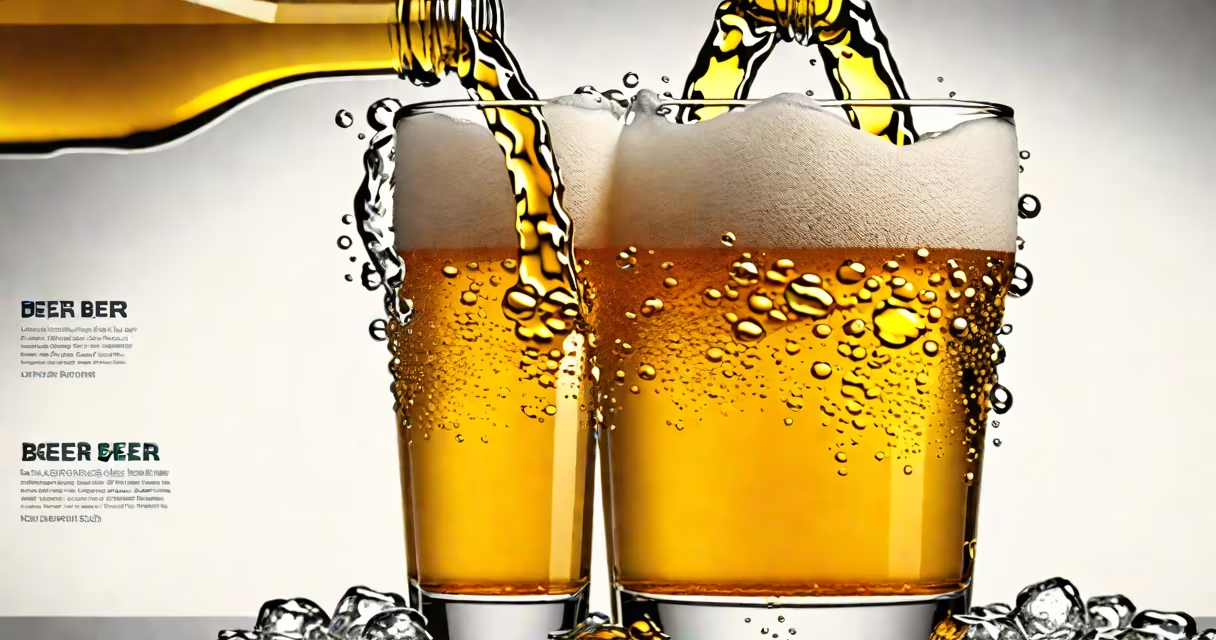
Beer is an alcoholic beverage produced by fermenting malted grains, typically barley, with hops for bitterness and flavor, using water and yeast. It contains between 3% and 12% alcohol by volume depending on style.
The brewing process begins with malting, where barley is soaked, germinated, and dried to develop enzymes that convert starch into fermentable sugars. This malt is then mashed-mixed with hot water-to extract those sugars. The resulting liquid, called wort, is boiled with hops to add bitterness, aroma, and preservation. After boiling, the wort is cooled and transferred to a fermentation vessel where yeast converts sugars into alcohol and carbon dioxide.
Once fermentation completes, the beer is aged-sometimes for weeks or months-to develop flavor complexity. It may be filtered or pasteurized before packaging. Final alcohol content depends on the original gravity of the wort and the yeast strain used. For example, a standard lager like Budweiser averages 4.8% ABV, while a Belgian Tripel can reach 8-10% ABV.
Four primary components define beer: malt, hops, water, and yeast. Malt provides fermentable sugars and color. Barley is most common, though wheat, rye, or oats may be used. Hops contribute bitterness to balance sweetness and offer aromatic notes-floral, citrus, pine, or earthy-depending on variety. Water makes up over 90% of beer and influences mineral content and pH. Yeast strains determine flavor profiles: ale yeasts produce fruity esters, while lager yeasts yield clean, crisp results.
For example, a German Pilsner uses soft water, pale malt, Saaz hops, and bottom-fermenting yeast. Its light gold color and crisp finish result from precise control of each ingredient. In contrast, an American IPA uses hard water, roasted malts, Cascade hops, and top-fermenting yeast, producing bold citrus and pine aromas.
| Type | Grain Base | Hop Profile | Fermentation Type | ABV Range |
|---|---|---|---|---|
| Lager | Pale malt (barley) | Mild, floral | Bottom-fermenting | 4.0-5.5% |
| American IPA | Barley, sometimes wheat | Bold, citrus, pine | Top-fermenting | 6.0-7.5% |
| Stout | Roasted barley, sometimes oats | Earthy, coffee-like | Top-fermenting | 4.5-7.0% |
Beer is often mistaken for being primarily made from corn or rice. While adjuncts like corn syrup or rice are used in some commercial beers-such as mass-market lagers-to reduce cost and lighten body, they are not foundational. True craft beer relies on malted barley as the base grain. According to the Brewers Association, 98% of U.S. craft breweries use malted barley as their primary fermentable.
Another misconception is that all beer is high in calories. A 12-ounce serving of a standard lager contains around 150 calories, comparable to a small apple. However, higher-alcohol styles like barleywines or imperial stouts can exceed 300 calories per serving due to increased sugar and alcohol content. The calorie count varies based on style and recipe.
Some assume beer causes rapid intoxication because of its low ABV. But alcohol absorption depends on rate of consumption, food intake, and body weight. Drinking four 12-ounce beers at 5% ABV over an hour equates to roughly 1.5 standard drinks-enough to affect coordination and reaction time, especially without food.
Beer is consumed globally in social, cultural, and ritual contexts. Oktoberfest in Munich draws over six million visitors annually, with participants drinking over 7 million liters of beer during the festival. In Japan, sake is often associated with tradition, but beer remains the most popular alcoholic drink-Japan produces over 12 billion liters annually, led by Asahi and Sapporo brands.
A personal observation: during a visit to a microbrewery in Portland, Oregon, I watched a brewer adjust mash temperature from 152°F to 158°F to increase fermentable sugars. The resulting change in final gravity and alcohol content was measurable-0.5% ABV difference-demonstrating how small adjustments impact the final product.
Beer is not the same as mead, which is fermented honey, nor is it a spirit like whiskey, which undergoes distillation. Beer is brewed, not distilled. Distillation increases alcohol concentration beyond what fermentation alone can achieve. Whiskey typically reaches 40% ABV or higher, while beer maxes out around 12-15% in specialty styles like barleywine.
Also, beer is not synonymous with "alcohol." Alcohol is a chemical compound (ethanol), while beer is a category of beverages containing ethanol. Other alcoholic drinks include wine, spirits, and cider. Beer specifically refers to fermented grain-based drinks.
When people say "I'm going to have a beer," they usually mean a single serving of a specific style-like a pilsner or stout-not a generic term for any alcoholic drink. The specificity matters in both culture and regulation. For example, the U.S. Alcohol and Tobacco Tax and Trade Bureau defines beer as "a malt beverage" with certain limits on ingredients and alcohol content.
Understanding what is beer helps clarify its role in diet and health. For instance, moderate beer consumption has been linked to lower cardiovascular risk in some studies, such as one published in BMJ Open (2021) analyzing data from over 100,000 adults. However, excessive intake raises risks for liver disease and obesity. The CDC notes that binge drinking-defined as consuming five or more drinks in two hours-is associated with long-term health issues regardless of beverage type.
Beer is a fermented beverage rooted in ancient traditions-archaeological evidence from Mesopotamia shows beer production dating back to 3500 BCE. Today, it remains a global staple, shaped by local ingredients, climate, and culture. From a German Pilsner to a Mexican Corona, each style reflects regional identity and brewing heritage.