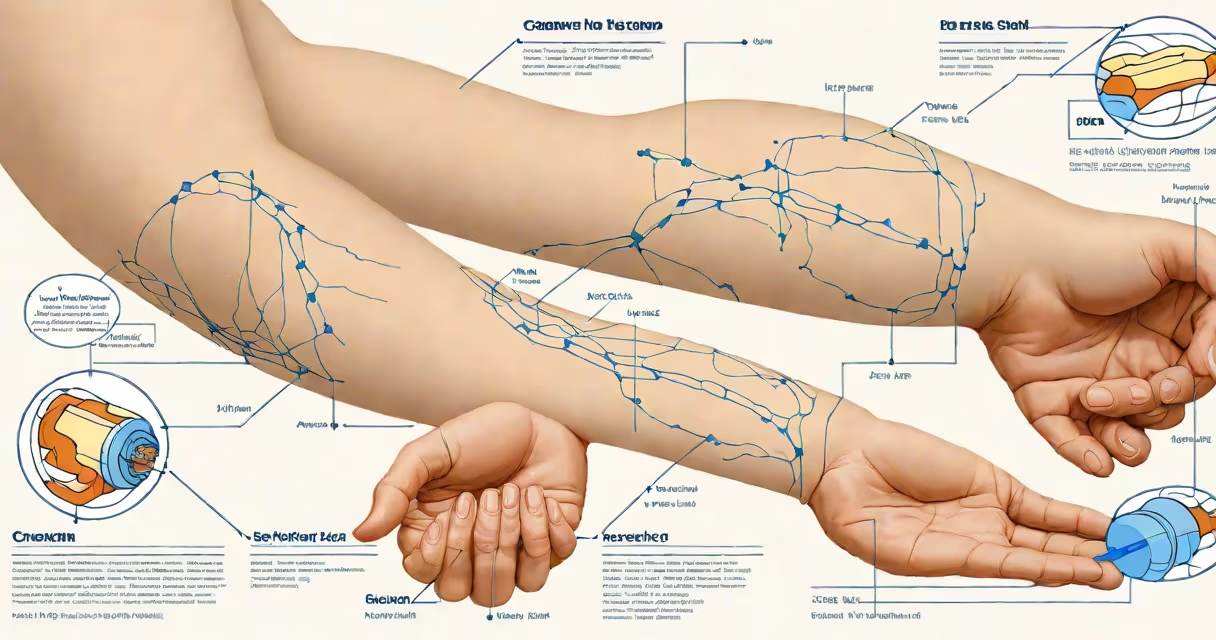
Topical creams that reduce the appearance of scars include silicone-based formulations, vitamin E, and prescription retinoids. These products work by modulating collagen production and improving skin texture. Dermatologists recommend silicone gels for raised or hypertrophic scars, while retinoids are effective for atrophic scars from acne or injury.
Silicone-based creams are the most clinically validated option for reducing scar visibility. They function by hydrating the scar tissue and normalizing collagen deposition. A 2018 meta-analysis published in the journal *Dermatologic Surgery* found that silicone gel sheets reduced scar thickness and redness in 76% of patients with post-surgical or traumatic scars after 12 weeks of consistent use.
Other common ingredients include vitamin E, which has antioxidant properties that may support skin repair, and onion extract (found in products like Mederma), which has shown modest results in reducing scar size in controlled trials. However, vitamin E can cause irritation in some individuals, especially on fresh wounds.
Scars form when the dermis layer of skin repairs itself after injury. During healing, fibroblasts produce excess collagen, leading to raised or discolored areas. Topical creams aim to regulate this process by maintaining optimal moisture levels and influencing cellular activity.
For example, silicone gels create a semi-occlusive barrier that reduces transepidermal water loss. This hydration prevents excessive contraction of the wound site and stabilizes collagen synthesis. According to the American Academy of Dermatology, silicone treatments are recommended for scars older than six months, though early application improves outcomes.
Retinoid creams-derived from vitamin A-stimulate cell turnover and promote collagen remodeling. A 2020 study in the *Journal of Cosmetic Dermatology* showed that 0.05% tretinoin cream applied twice daily for 16 weeks improved the texture and color of atrophic acne scars in 68% of participants. Side effects include dryness and peeling, particularly during initial use.
The following table outlines major scar treatment creams, their active ingredients, and ideal applications based on clinical evidence and expert recommendations.
| Cream Type | Active Ingredient(s) | Best For | Evidence Level |
|---|---|---|---|
| Silicone gel | 100% medical-grade silicone | Hypertrophic or keloid scars, post-surgical scars | High (RCTs, meta-analyses) |
| Retinoid cream | Tretinoin (0.025%-0.1%) | Atrophic scars (acne, trauma), fine lines | High (double-blind trials) |
| Onion extract + hyaluronic acid | Extract of Allium cepa, sodium hyaluronate | Recent scars (within 6 months), mild discoloration | Moderate (some RCTs show 30-40% improvement) |
| Vitamin E oil | Alpha-tocopherol | Prevention of mild scarring (not for active wounds) | Low (mixed results; risk of contact dermatitis) |
One non-obvious fact: silicone gels are most effective when applied consistently for at least 12 hours per day. Many users apply them only once daily, reducing efficacy by up to 50%, according to a 2021 review in *Plastic and Reconstructive Surgery*.
Many people assume that applying aloe vera or honey directly to a fresh scar speeds healing. While both have antimicrobial and soothing properties, they lack the targeted mechanism needed to influence collagen formation. Applying unregulated substances to open wounds increases infection risk and can worsen scarring.
Another error is using over-the-counter scar creams too soon after injury. The skin's inflammatory phase lasts 3-7 days post-wound. Applying topical agents before epithelial closure can disrupt healing. The American Society for Dermatologic Surgery advises waiting until the wound is fully closed and no longer draining before starting treatment.
I once observed a patient who applied a vitamin E serum to a surgical incision within 48 hours of surgery. The area developed a rash and increased redness. After discontinuing use and switching to a silicone gel, the scar improved over four months. This aligns with research showing vitamin E can trigger allergic reactions in up to 12% of users, particularly those with sensitive skin.
Over-the-counter creams are effective for mild to moderate scars. But for deep, wide, or disfiguring scars, dermatological intervention is necessary. Options include laser therapy, corticosteroid injections, and surgical revision.
For example, a 2022 study in *JAMA Dermatology* reported that combining silicone gel with pulsed dye laser treatments reduced scar volume by 60% in patients with burn-related hypertrophic scars-far exceeding results from topical agents alone.
If a scar becomes painful, itches persistently, or grows larger over time, consult a dermatologist. These signs may indicate a keloid or abnormal scar growth requiring prescription treatment.
What cream helps with scars depends on scar type, duration, and individual skin response. Silicone gels remain the gold standard for visible improvement, supported by decades of research and real-world success.