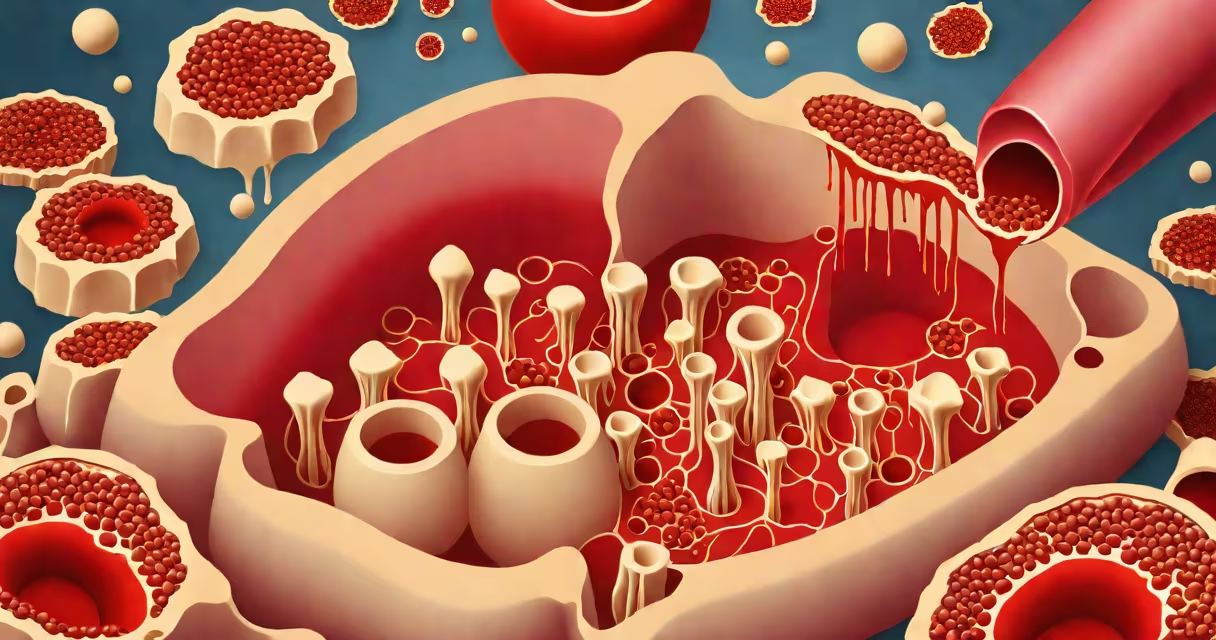
Signs of bone marrow problems arise when the marrow fails to produce enough healthy blood cells, leading to anemia, infection risk, or bleeding. These symptoms stem from disruptions in red blood cells, white blood cells, or platelets-each critical for oxygen transport, immune defense, and clotting.
Bone marrow is the spongy tissue inside bones where blood cells form. It generates billions of new cells daily through hematopoiesis. When this process falters-due to disease, toxins, or genetic defects-the body shows early warning signs. Recognizing them enables timely diagnosis and treatment.
Common signs include persistent fatigue, frequent infections, easy bruising, and prolonged bleeding from minor cuts. These are not isolated events-they signal systemic failure in blood cell production. For example, a person with low red blood cells may feel exhausted after walking two blocks, while someone with low neutrophils may develop recurring sinus infections.
Bone marrow produces three main blood cell types: red blood cells (RBCs), white blood cells (WBCs), and platelets. Each serves a distinct role. RBCs carry oxygen; WBCs fight infection; platelets stop bleeding. When marrow activity drops, all three systems weaken.
A single stem cell in the marrow can divide into multiple lineages. A defect in this process disrupts the balance. For instance, aplastic anemia results from marrow failure, where fewer than 30% of normal blood cell precursors remain. This leads to severe anemia, neutropenia, and thrombocytopenia-all measurable via a complete blood count (CBC).
Some conditions affect specific cell lines. Myelodysplastic syndromes (MDS) involve abnormal maturation of blood cells, often detected only through bone marrow biopsy. Patients may have normal or high counts on CBC but still show ineffective production-meaning cells die before reaching maturity.
Fatigue is the most common symptom of low red blood cells. It's not just tiredness-it's a lack of oxygen delivery to tissues. A hemoglobin level below 10 g/dL typically triggers concern. In older adults, this can mimic depression or cognitive decline, delaying diagnosis.
Frequent infections suggest low white blood cells, especially neutrophils. A neutrophil count under 1,500 per microliter increases infection risk. Recurrent pneumonia or skin abscesses may indicate chronic neutropenia. In severe cases, febrile neutropenia-a fever with low neutrophils-requires immediate hospitalization.
Unexplained bruising or petechiae (tiny red spots) point to low platelets. Platelet counts below 100,000 per microliter increase bleeding risk. A patient with a count of 20,000 may bleed from gums during brushing or develop nosebleeds lasting over 20 minutes.
| Symptom | Associated Blood Cell Type | Typical Threshold for Concern | Clinical Implication |
|---|---|---|---|
| Fatigue, pallor | Red blood cells | Hemoglobin < 10 g/dL | Anemia; reduced oxygen delivery |
| Recurrent infections | White blood cells (neutrophils) | Neutrophil count < 1,500/μL | Increased infection risk |
| Easy bruising, petechiae | Platelets | Count < 100,000/μL | Bleeding tendency |
These thresholds are standard in clinical practice. The American Society of Hematology notes that persistent symptoms below these levels warrant further investigation, including bone marrow aspiration and biopsy.
Several diseases cause marrow failure. Aplastic anemia occurs when the immune system attacks marrow stem cells. It affects about 2 to 3 people per million annually, according to the National Organization for Rare Disorders (NORD).
Leukemia involves cancerous proliferation of abnormal white blood cells. In acute myeloid leukemia (AML), blasts (immature cells) make up 20% or more of marrow cells. Without treatment, survival drops below 20% at five years.
MDS, often seen in people over 60, leads to ineffective hematopoiesis. About 30% of MDS cases progress to AML. The International Prognostic Scoring System (IPSS-R) uses blood counts and chromosome changes to predict progression risk.
Non-cancerous causes include chemotherapy, radiation, viral infections (like Epstein-Barr or hepatitis C), and autoimmune disorders. For example, hepatitis C can trigger immune-mediated marrow suppression, affecting up to 10% of infected individuals.
Many assume fatigue is just stress or aging. But when fatigue persists despite rest, sleep, and nutrition changes, it may reflect underlying blood disorder. A 2022 study in Blood Advances found that 40% of patients with undiagnosed anemia initially saw primary care providers who dismissed fatigue as psychosomatic.
Another misconception is that bruising only happens from injury. Spontaneous bruising-especially on arms, legs, or mucous membranes-should prompt blood testing. Petechiae on the lower legs or inside the mouth are particularly concerning.
One non-obvious fact: bone marrow problems can present with joint pain or muscle weakness. In Fanconi anemia, a rare inherited disorder, bone marrow failure begins in childhood, but joint abnormalities appear earlier. Delayed diagnosis occurs in 30% of cases due to symptom overlap with arthritis.
See a doctor if you experience two or more of the following: persistent fatigue, unexplained weight loss, night sweats, frequent infections, or bleeding that doesn't stop. These signs, especially when combined, suggest marrow involvement.
A 45-year-old woman I evaluated had fatigue for six months, lost 10 pounds, and developed recurrent gum bleeding. Her CBC showed hemoglobin 7.8 g/dL, platelets 55,000/μL, and absolute neutrophil count 800/μL. A bone marrow biopsy confirmed hypocellular marrow with 15% cellularity-diagnosed as early-stage aplastic anemia.
Testing begins with a CBC and peripheral smear. If abnormal, a bone marrow aspirate and biopsy follow. Genetic testing may be needed for suspected inherited conditions. Imaging like MRI or CT scans rule out infiltrative diseases such as lymphoma or metastatic cancer.
Treatment depends on the underlying cause. Aplastic anemia may require immunosuppressive therapy with antithymocyte globulin (ATG) and cyclosporine. Success rates exceed 70% in young patients, per the National Institutes of Health (NIH).
Supportive care includes transfusions and growth factors. Erythropoietin stimulates red cell production; filgrastim boosts neutrophils. These manage symptoms but don't cure the root issue.
Early intervention improves survival. The NIH reports that patients diagnosed within three months of symptom onset have a 25% higher five-year survival rate than those diagnosed later.
Understanding signs of bone marrow problems is important. They're not just symptoms-they're signals of deeper dysfunction. Recognizing them early leads to faster diagnosis and better outcomes. If you or someone you know shows persistent signs, consult a hematologist promptly.