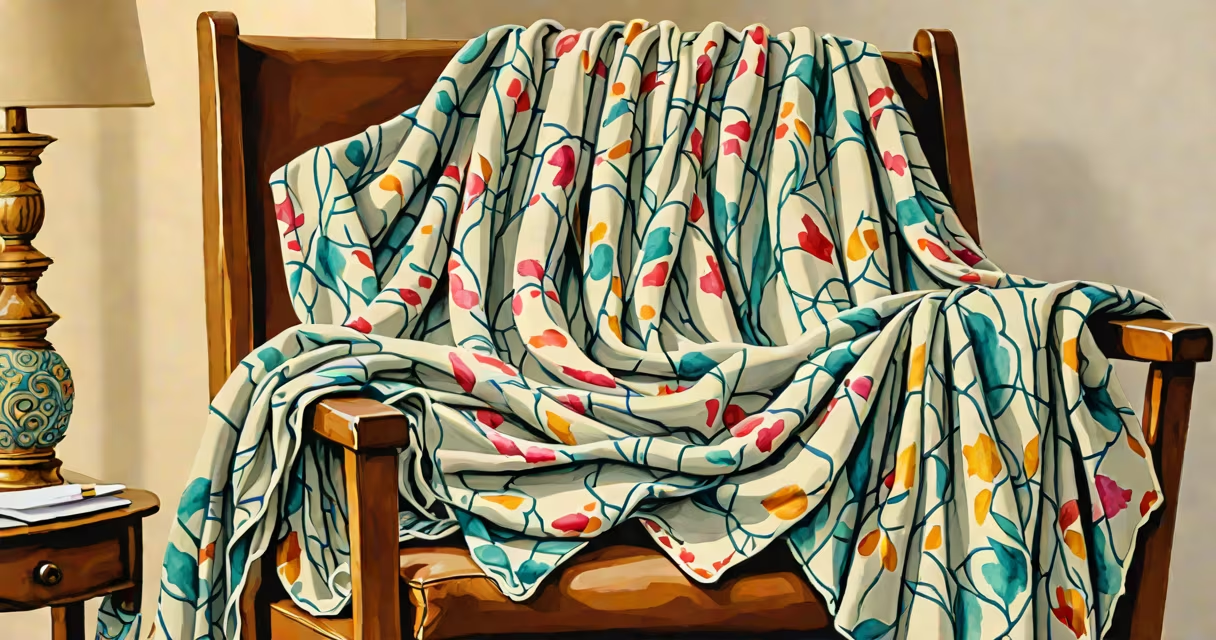
A scarf for chemo patients is a soft, lightweight head covering worn to protect the scalp from cold, reduce visibility of hair loss, and provide emotional comfort during chemotherapy. Unlike medical cooling caps, it is not designed to prevent hair loss but serves as a practical and personal accessory during treatment.
Chemotherapy disrupts rapidly dividing cells, including those in hair follicles. This often leads to noticeable hair thinning or complete loss within two to four weeks of starting treatment. For many patients, losing their hair is emotionally challenging. A scarf offers a way to maintain dignity, stay warm, and express individuality during a physically taxing time.
Unlike cooling caps that circulate chilled fluid through a system to reduce blood flow to the scalp-proven in clinical trials to lower hair loss risk-a scarf provides no medical intervention. It's not FDA-approved for hair preservation. Its purpose is comfort, concealment, and psychological ease. Some patients wear it indoors during cold months; others use it during outings to feel less self-conscious.
Medical cooling caps, such as the DigniCap system, are clinically tested devices used to reduce hair loss during certain chemotherapy regimens. They require a prescription, are worn for 90 minutes before, during, and after infusion sessions, and cost between $1,500 and $3,000 per cycle. Insurance coverage varies widely.
A scarf for chemo patients is not a medical device. It requires no setup, fits in a purse, and costs under $50. It doesn't stop hair shedding-it simply covers the head. Patients choose it for warmth, privacy, or aesthetic preference. It's not regulated by the FDA, and no claims about hair retention are made.
| Feature | Scarf for chemo patients | Cool cap for chemo patients |
|---|---|---|
| Primary function | Comfort, warmth, modesty | Hair loss prevention via scalp cooling |
| Cost | $10-$40 | $1,500-$3,000 per cycle |
| Regulatory status | Not medical device | FDA-cleared for specific uses |
| Usage duration | Anytime, as needed | 90 min before/during/after chemo |
Not all scarves are equal. The best options for chemo patients prioritize softness, breathability, and weight. Wool blends, cashmere, bamboo, and microfiber are common materials. Avoid rough textures like acrylic or thick knits-these can irritate sensitive scalps.
Some brands offer scarves specifically designed for cancer patients. These include features like adjustable ties, smooth edges, and antimicrobial treatments. For example, the "Hope Wrap" by Pink Ribbon Threads uses 100% organic cotton with a double-layer weave to reduce friction and static. It's available in 12 colors and sells for $28.
One non-obvious fact: heat retention varies by fiber. A 100% wool scarf retains 30% more heat than a polyester version of the same size. But wool can be itchy. A better compromise is merino wool, which is softer and less likely to cause irritation. According to the American Academy of Dermatology, merino wool is suitable for sensitive skin and is used in post-surgical garments.
Patients wear scarves during treatment cycles, especially in colder climates or air-conditioned clinics. One woman I met at a support group in Boston wore a navy-blue silk scarf during her third round of FOLFOX chemotherapy. She said it helped her feel "like herself" despite fatigue and nausea. She didn't want to draw attention to her baldness.
Scarves are also used during recovery. After hair begins to grow back, patients may wear a scarf to cover patchy regrowth. The texture of new hair is often coarse and uneven-some find this distressing. A scarf can mask the inconsistency until growth becomes fuller.
During holidays or family events, scarves serve as subtle expressions of identity. A patient might choose a scarf with a favorite pattern-floral, geometric, or even a quote like "I am more than my diagnosis." These choices signal resilience and autonomy.
Many assume a scarf for chemo patients prevents hair loss. This is false. No non-medical head covering stops chemotherapy-induced alopecia. The American Cancer Society states that only scalp cooling systems have shown efficacy in reducing hair loss during treatment.
Another myth is that wearing a scarf causes scalp irritation or worsens hair loss. There's no evidence for this. However, tight-fitting or abrasive scarves can lead to pressure sores or temporary hair breakage. Always ensure the scarf fits loosely and avoids direct contact with the scalp if the skin is tender.
Finally, some believe scarves are only for women. Men undergoing chemotherapy also use them. A 52-year-old man in Chicago wore a charcoal-gray wool scarf during his treatment for colon cancer. He said, "I don't care what people think. My head feels cold, and I'm not hiding."
Consider Maria, a 46-year-old breast cancer patient receiving weekly paclitaxel infusions. Her oncologist advised her to expect hair loss in three weeks. She wanted something soft, easy to wear, and stylish.
She researched options and chose a 100% merino wool scarf measuring 70 inches long by 10 inches wide. It had a rounded edge, no seams near the edges, and was machine-washable. She bought it online for $32. She wears it during clinic visits, at home, and on walks.
"It's not about hiding," she said. "It's about feeling okay. I don't have to explain myself every time someone asks if I'm cold."
A scarf for chemo patients is not a medical solution. It's a personal choice-one that combines warmth, privacy, and quiet dignity. It's not about fixing the problem. It's about managing the experience with grace.