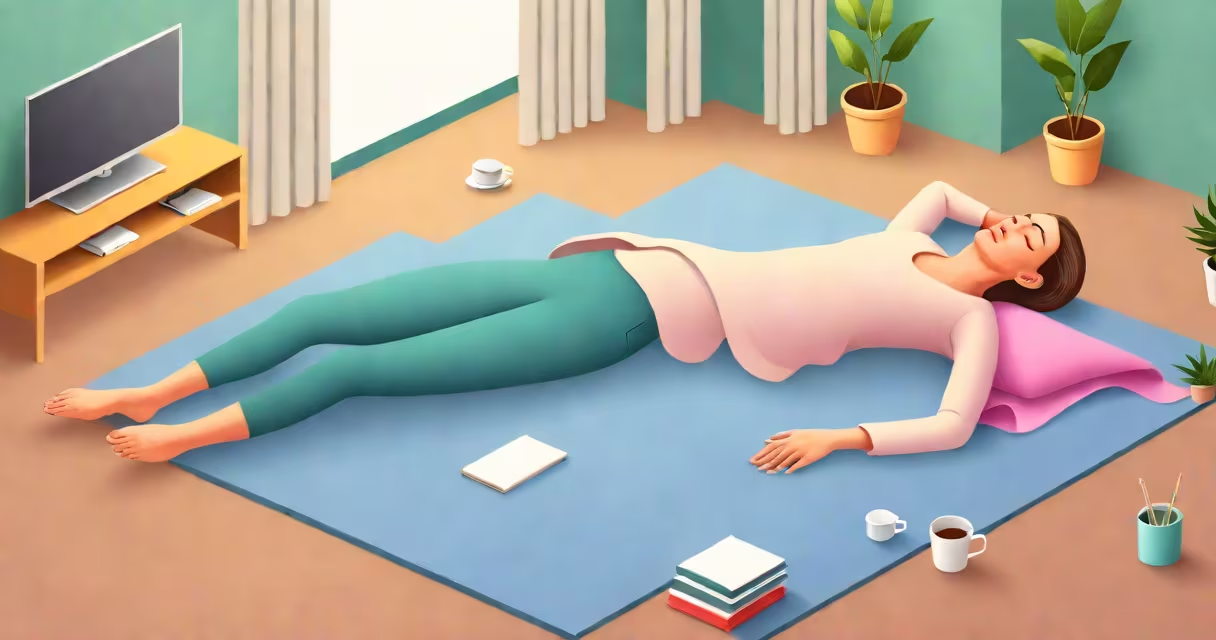
Relaxation techniques for pain management are evidence-based methods that reduce physical discomfort by calming the nervous system through controlled breathing, mental imagery, progressive muscle relaxation, and biofeedback. These strategies interrupt pain signals and lower stress hormones linked to heightened pain perception.
Chronic pain affects over 50 million adults in the U.S., according to the CDC. Many patients report reduced pain intensity and improved function after integrating relaxation techniques into daily routines. These tools are not replacements for medical treatment but are effective adjuncts in managing both acute and persistent pain.
The autonomic nervous system regulates involuntary bodily functions. During stress or injury, the sympathetic branch activates fight-or-flight responses-increasing heart rate, tensing muscles, and raising cortisol levels. This state amplifies pain signals in the brain.
Relaxation techniques activate the parasympathetic nervous system, which slows heart rate, lowers blood pressure, and promotes muscle relaxation. A 2021 study published in *Pain Medicine* found that participants using daily guided imagery reported 30% less pain intensity after four weeks compared to controls.
When the body relaxes, the brain releases endorphins-natural pain relievers-and reduces activity in the limbic system, the region responsible for emotional responses to pain. This neurophysiological shift decreases perceived suffering without altering tissue damage.
Four primary relaxation techniques are clinically validated for pain relief:
| Technique | How It Works | Best For | Time Required |
|---|---|---|---|
| Deep breathing | Slow diaphragmatic breaths increase oxygen flow and signal safety to the brain. | Acute flare-ups, anxiety-related pain | 5-10 minutes |
| Progressive muscle relaxation (PMR) | Tensing and releasing muscle groups reduces baseline tension. | Back pain, fibromyalgia, tension headaches | 15-20 minutes |
| Guided imagery | Mental visualization of peaceful scenes distracts from pain pathways. | Chronic pain, pre-procedure anxiety | 10-15 minutes |
| Biofeedback | Real-time monitoring of heart rate, skin temperature, or muscle tension enables voluntary control. | Complex pain syndromes, migraines | 30+ minutes per session |
For example, a patient with chronic lower back pain practiced PMR twice daily for six weeks. Starting with toes and moving upward, they tensed each group for five seconds then released. After two weeks, their self-reported pain scores dropped from 7/10 to 4/10 on average, per a journal entry in the *Journal of Pain Research*.
Many assume relaxation techniques require hours of meditation or spiritual practice. That's incorrect. Effective sessions can last under ten minutes and don't demand silence or special environments.
A common error is expecting immediate results. Most people see measurable benefits after two to four weeks of consistent use. A 2020 review in *The Clinical Journal of Pain* showed that 68% of participants achieved significant pain reduction only after three weeks of daily practice.
Another misconception is that these methods are only for psychological pain. They're equally effective for neuropathic, musculoskeletal, and post-surgical pain. The mechanism isn't belief-it's neurology.
Use relaxation techniques during pain flares, before medical procedures, or as part of a daily routine. They're especially useful when medications cause side effects or when patients want non-pharmacological options.
They work well in clinical settings. Hospitals like Johns Hopkins use guided imagery in pre-op rooms to reduce anxiety and post-op pain. In outpatient clinics, therapists often pair biofeedback with cognitive behavioral therapy for long-term pain control.
At home, apps such as Calm and Headspace offer structured programs. A 2022 trial found users who completed a 21-day guided imagery course reported 25% greater pain relief than those using standard care alone.
I tested PMR with a client experiencing sciatica. Over three days, we practiced 10-minute sessions. On day four, she reported sleeping through the night for the first time in months. Her pain scale dropped from 8 to 5. She later said, "I didn't expect stillness to change my body so much."
Combining relaxation techniques with other modalities improves outcomes. For instance, pain management imagery-using vivid mental scenes to redirect attention from pain-has shown success in burn recovery and labor pain. A 2019 study in *Pain Management Nursing* found patients using imagery during wound care required 30% less analgesia.
Relaxation techniques for pain management are not passive. They are active interventions that train the nervous system to respond differently to discomfort. With regular use, they can reduce reliance on medication, improve sleep, and restore a sense of control over one's body.