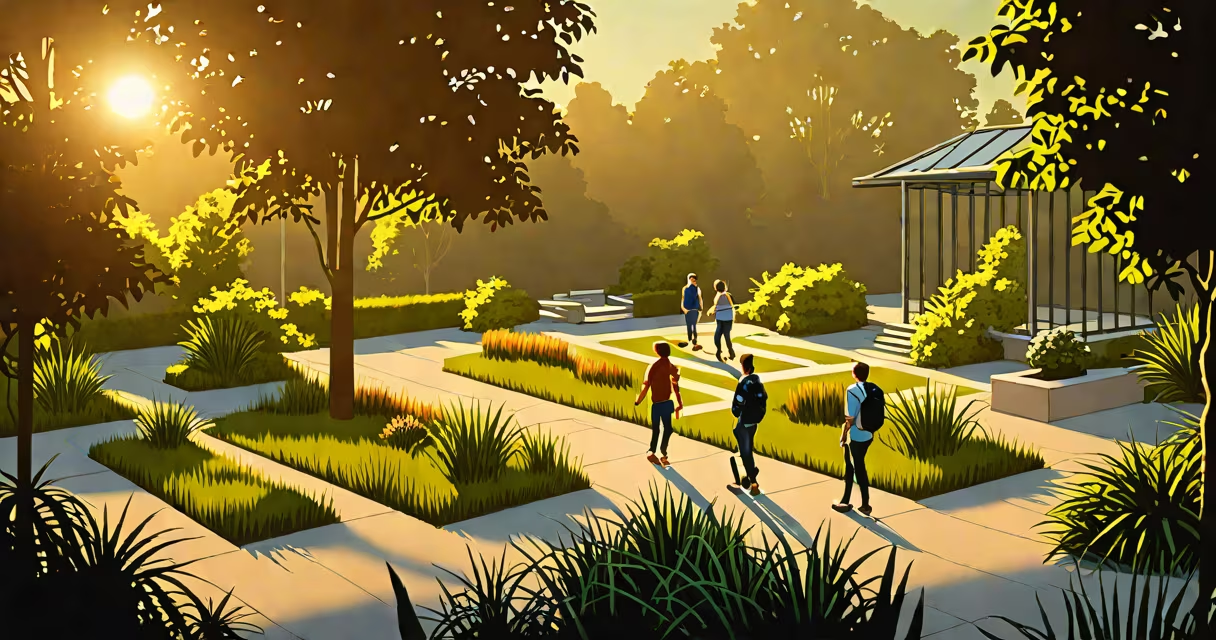
Non food date ideas are shared experiences that focus on interaction, exploration, or creativity rather than eating together. These activities prioritize conversation, shared discovery, and emotional connection over meals or snacks. They work well for couples at any stage, especially those seeking low-pressure, affordable, or novelty-driven outings.
These dates avoid restaurants, cafes, or food-centric venues. Instead, they center on walks, creative projects, nature, or cultural events. Examples include hiking, visiting museums, attending live music, or trying a craft workshop. The goal is to create moments that build bonding through doing something together, not just talking while consuming food.
Research from the American Psychological Association shows that shared novel experiences increase relationship satisfaction more than routine interactions. Non food dates deliver this effect by introducing mild novelty and mutual engagement, reducing the risk of passive or distracted conversation common during meals.
These dates succeed because they reduce performance pressure. Eating requires coordination, timing, and often financial commitment. Skipping food removes distractions and allows both people to focus on each other. A walk through a park, for example, provides natural conversation prompts-birds, weather, scenery-without needing to manage utensils or wait for service.
They also encourage physical presence. A shared activity like building a model or painting together requires attention and collaboration. This builds rapport through joint problem-solving and nonverbal cues. According to a 2021 study in the Journal of Social and Personal Relationships, couples who engaged in coordinated tasks reported higher levels of intimacy than those who merely talked.
For introverted individuals or those early in a relationship, non food dates lower anxiety. There's no need to perform socially at a restaurant. You don't have to decide what to order or worry about making a bad impression. The activity itself becomes the focus, easing social pressure.
Non food dates fall into categories based on setting and energy level. Some are active, others reflective. Some require planning, others are spontaneous. Matching the date type to your mood and relationship stage improves success.
| Type | Examples | Best For |
|---|---|---|
| Outdoor & Active | Hiking, biking, kayaking, beachcombing | Couples wanting movement and fresh air |
| Cultural & Quiet | Museum visits, art galleries, poetry readings | Introverts or those valuing thoughtful conversation |
| Hands-On & Creative | Pottery class, cooking with ingredients but no eating, collage-making | People who enjoy creating or expressing themselves |
| Spontaneous & Low-Cost | Window shopping, stargazing, walking through a neighborhood | Busy schedules or tight budgets |
Not all non food dates are equal. A museum visit may feel dull if neither person enjoys art. A hike might be too strenuous for someone with mobility issues. Choose based on shared interests and physical ability. The most effective non food dates align with both partners' preferences and energy levels.
Non food date ideas are widely used in long-term relationships to prevent routine fatigue. After months of dinner-and-a-movie cycles, couples report feeling disconnected. Introducing variety through non food dates renews interest and strengthens bonds.
They're also popular among young adults and singles looking to meet people without the awkwardness of a first date over dinner. Apps like Bumble BFF and Hinge now feature "activity-based" matching, pairing users based on shared hobbies rather than profiles alone. This reduces surface-level judgments and increases compatibility.
A 2022 survey by Pew Research Center found that 64% of adults aged 18-34 preferred meeting for a walk or game over a meal. The reasoning: less pressure, more authenticity. People felt more like themselves and were better able to assess whether they genuinely liked their date.
Many assume non food dates lack romance. This is false. Shared experiences generate stronger emotional memories than meals. A study published in the journal Emotion found that couples remembered activities involving effort-like carrying supplies on a hike-more vividly than those centered on consumption.
Another myth: non food dates are only for casual or early-stage relationships. In reality, couples in long-term partnerships use them to maintain excitement. One couple I met at a community art fair had been together 12 years. They'd done a pottery class every six months since their first date. "It keeps us curious," she said. "We're not just eating and talking-we're making something."
Some confuse non food dates with "free" dates. Not all are free. A concert ticket or guided tour costs money. What defines a non food date is the absence of a meal, not cost. A $50 skydiving experience counts as non food if no food is involved. The key is the activity structure, not the price tag.
Plan: Saturday afternoon at a local botanical garden.
This date includes movement, creativity, and shared reflection-all without food. It lasts 3 hours, costs under $10, and creates lasting memory triggers. The plant becomes a symbol of the date, reinforcing connection over time.