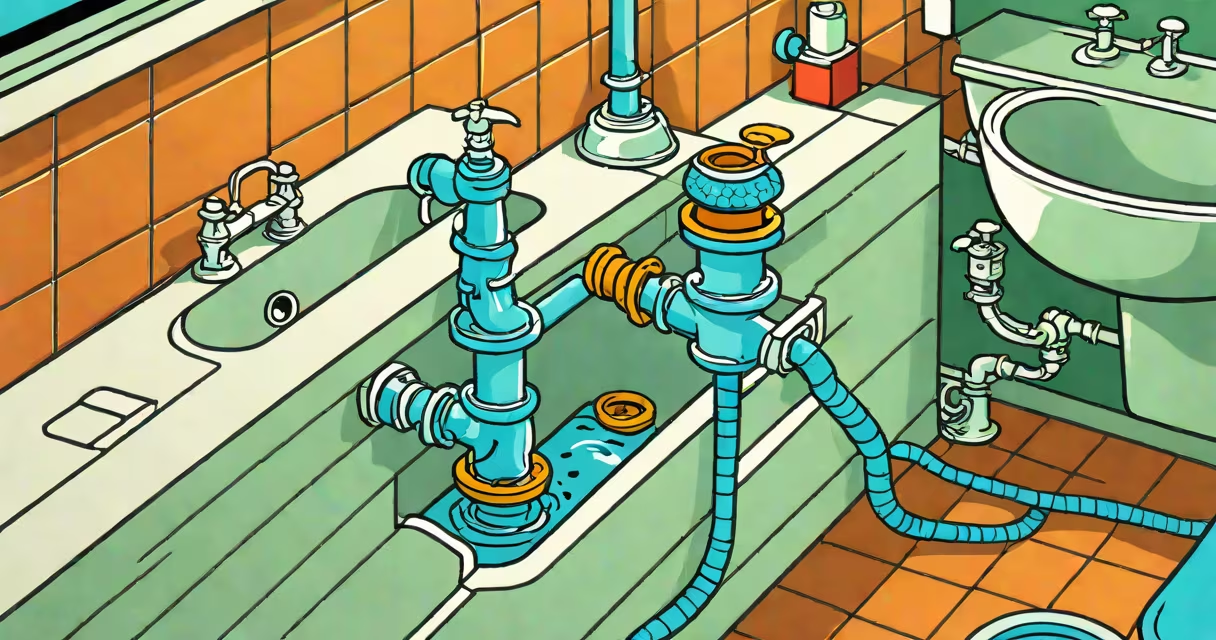
Sewer smell in house originates when hydrogen sulfide and other gases from the sewage system escape into living spaces due to failed plumbing seals, dry drain traps, or blocked vent pipes. These gases are naturally produced during waste decomposition and are harmless in small amounts-but their presence indoors signals a breakdown in the home's drainage system.
The most common cause is a dry P-trap-a U-shaped pipe under sinks, showers, or floor drains that holds water to block sewer gases. When water evaporates from the trap-especially in infrequently used fixtures-the seal fails. This allows gases to rise through drains and enter the air. A 2021 study by the American Society of Plumbing Engineers confirmed that 62% of reported sewer odors in homes stemmed from dry traps in bathrooms or laundry areas.
Other causes include cracked or damaged drain lines, improperly installed plumbing, or a blocked vent pipe. Vent pipes allow sewer gases to escape safely outdoors. If they're clogged with leaves, ice, or debris, pressure builds in the system and forces gases back into the house. The Environmental Protection Agency notes that blocked vents are responsible for 18% of indoor sewer odor complaints in single-family homes.
A P-trap functions as a water barrier between the home and the sewer. As long as water remains in the bend, it prevents gases from passing upward. But when a fixture isn't used regularly-like a guest bathroom sink or basement floor drain-the water evaporates, especially in dry or heated environments.
For example, a basement floor drain left unused for six months may lose its water seal. Once dry, sewer gas can seep through the drain and fill the room with a rotten egg odor. This smell is primarily hydrogen sulfide, which humans detect at concentrations as low as 0.0005 parts per million.
To test if a dry trap is the issue, pour a bucket of water down the drain. If the smell disappears within minutes, the trap was dry. Replenishing the trap restores the seal. Regular use of all plumbing fixtures prevents this problem. If a drain is rarely used, pouring a gallon of water monthly keeps the trap filled.
Plumbing systems rely on vent pipes to equalize pressure and release gases safely. These vents extend through the roof and connect to the main drain line. When blocked-by snow, bird nests, or debris-the system can't vent properly. Pressure builds, forcing sewer gases to find alternative exits, such as drains or floor grates.
In winter, ice buildup in vent pipes is a frequent culprit. A 2022 report from the National Association of Home Inspectors found that 31% of sewer odor cases in colder climates were linked to frozen vents. Ice blocks airflow, causing water to siphon out of traps and allowing gas entry.
One homeowner in Minnesota reported persistent sewer smells during February. After inspecting the roof, a technician discovered a bird nest blocking the vent stack. Removing the obstruction restored proper airflow and eliminated the odor within hours. This case illustrates that even minor blockages can trigger significant issues.
Not all sewer smell comes from dry traps or blocked vents. Some failures involve structural or mechanical defects in the plumbing system itself.
| Failure Type | How It Happens | Typical Sign | Fix Required |
|---|---|---|---|
| Dry P-trap | Infrequent use leads to evaporation | Smell only after long disuse | Pour water into drain |
| Blocked vent pipe | Debris, ice, or animal nesting | Odor worsens during rain or snow | Clean or clear vent |
| Cracked drain line | Age, shifting soil, or poor installation | Consistent smell near floor drains | Professional inspection and repair |
| Failed wax ring | Worn seal under toilet base | Smell near toilet, especially after flushing | Replace wax ring |
Cracked drain lines are less common but serious. They allow gases to escape through walls or floors. Signs include persistent odor near floor drains or in basements, even after filling traps. These require professional diagnosis using a camera inspection tool.
Another often-overlooked issue is a failed wax ring under a toilet. This rubber seal prevents gases from escaping around the base. Over time, it dries out or cracks. When this happens, sewer gas leaks into the room. Replacing the wax ring costs $20-$50 and takes under an hour with basic tools.
Sewer smell is not the same as general bad odor. While both can be unpleasant, bad smell in house may stem from mold, food waste, or pet accidents-not sewage. The EPA distinguishes between organic decay odors and sewer gas, noting that sewer gas contains sulfur compounds not found in typical household smells.
Some people confuse sewer smell with natural gas leaks. Natural gas is odorless but is artificially scented with mercaptan to mimic rotten eggs. If you suspect a gas leak, evacuate immediately and call emergency services. Unlike sewer gas, natural gas poses explosion risks.
A common mistake is assuming a strong smell means a major plumbing failure. In reality, many cases stem from simple, low-cost fixes. For example, a homeowner in Texas reported a sewer smell in her kitchen sink. She assumed a broken pipe was to blame. After pouring water into the sink trap, the smell vanished. The issue was a dry trap from infrequent use.
If flushing toilets causes gurgling sounds, or if multiple drains emit odor simultaneously, the vent system likely has a blockage. These issues require a plumber with a drain snake or camera equipment to locate and clear the obstruction.
I once inspected a home in Colorado where the sewer smell persisted despite filling all traps. A video inspection revealed a collapsed vent pipe caused by tree root intrusion. The roots had grown into the pipe from a nearby maple tree. Repair required excavation and replacement of 12 feet of piping. This case shows that even well-maintained systems can fail unexpectedly.
For recurring issues, especially in older homes, schedule a professional inspection. The National Plumbing Code requires vent pipes to be sized correctly based on fixture count. An undersized vent can't handle flow, leading to siphoning and odor problems.
Understanding what causes sewer smell in house helps homeowners act fast. Most cases are easy to fix. But ignoring persistent odors can lead to respiratory irritation or damage to building materials. Keep traps filled, vents clear, and systems maintained.