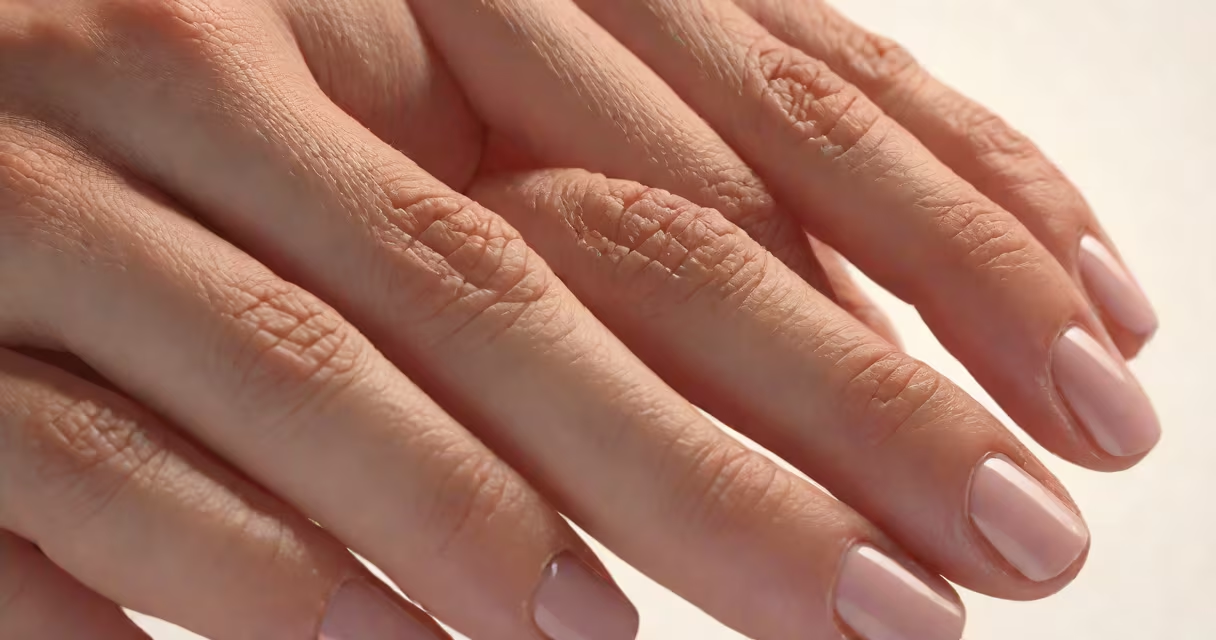
Pain and swelling in hands result from injury, inflammatory conditions like arthritis, or nerve compression such as carpal tunnel syndrome. These symptoms arise when tissues, joints, or nerves in the hand become irritated, damaged, or inflamed.
Swelling occurs when fluid accumulates in soft tissue due to trauma, infection, or immune system activity. Pain signals nerve irritation or pressure on sensory endings. Together, they indicate underlying disruption in hand structure or function.
The most common triggers include repetitive motion injuries, autoimmune disorders, acute trauma, and chronic degenerative diseases. Identifying the root cause guides effective treatment and prevents long-term damage.
When you injure your hand-such as jamming a finger or twisting a wrist-the body responds with localized inflammation. Blood vessels dilate, allowing fluid and immune cells to enter the area. This increases pressure on nerves, causing pain and visible swelling.
Inflammatory conditions like rheumatoid arthritis trigger the immune system to attack healthy joint tissue. Over time, this leads to joint erosion, deformity, and persistent swelling. According to the American College of Rheumatology, rheumatoid arthritis affects about 1.3 million adults in the U.S., with hand involvement in over 80% of cases.
Nerve compression, such as in carpal tunnel syndrome, occurs when the median nerve is squeezed at the wrist. Pressure disrupts signal transmission, leading to burning pain, numbness, and weakness. Swelling may develop secondary to reduced circulation or muscle atrophy.
Conditions affecting the hands fall into several categories based on origin:
| Type | Examples | Key Features |
|---|---|---|
| Injury-related | Fractures, sprains, tendonitis | Sudden onset, often after trauma; swelling localized to site |
| Inflammatory arthritis | Rheumatoid arthritis, psoriatic arthritis | Bilateral swelling, morning stiffness lasting over 30 minutes |
| Nerve compression | Carpal tunnel syndrome, cubital tunnel syndrome | Shooting pain, numbness in fingers; weakness in grip |
| Metabolic/vascular | Gout, Raynaud's phenomenon | Gout: sudden redness and heat in joints; Raynaud's: color changes in fingers |
For example, gout typically targets the base of the big toe but can affect the hands. A 2021 study in *Arthritis & Rheumatology* found that 15% of gout patients report hand involvement, often presenting as intense pain and swelling in the metacarpophalangeal joints.
One non-obvious distinction: swelling from injury tends to resolve within days to weeks with rest and ice. Swelling from autoimmune disease persists or recurs despite rest. This difference helps differentiate acute versus chronic causes.
Many assume hand swelling always stems from injury or aging. But swelling can be an early sign of systemic illness. For instance, lupus, an autoimmune disease, frequently presents with hand pain and swelling before other symptoms appear.
Another misconception is that carpal tunnel syndrome only affects people who type all day. While repetitive keyboard use increases risk, the condition also develops in individuals with diabetes, hypothyroidism, or during pregnancy due to hormonal fluid retention.
Swelling in both hands is often assumed to be symmetric and benign. However, asymmetric swelling-especially if one hand swells more than the other-can indicate infection, deep vein thrombosis, or rare conditions like complex regional pain syndrome.
I once observed a patient with persistent left-hand swelling and mild pain. Initial diagnosis was osteoarthritis. After imaging revealed a small fracture missed on the first X-ray, we discovered the injury occurred during a minor fall while gardening. The swelling had masked the fracture until it worsened over two weeks.
Seek evaluation if swelling lasts longer than 7 days, worsens at night, or interferes with daily tasks like buttoning clothes or holding utensils. Red flags include fever, skin discoloration, or inability to move fingers.
Early diagnosis improves outcomes. For example, treating rheumatoid arthritis within six months of symptom onset reduces joint damage by up to 60%, per the National Institute of Arthritis and Musculoskeletal and Skin Diseases.
Understanding what causes pain and swelling in hands allows timely intervention. Addressing the root issue-whether it's a sprain, arthritis flare, or nerve entrapment-prevents long-term disability and restores function.