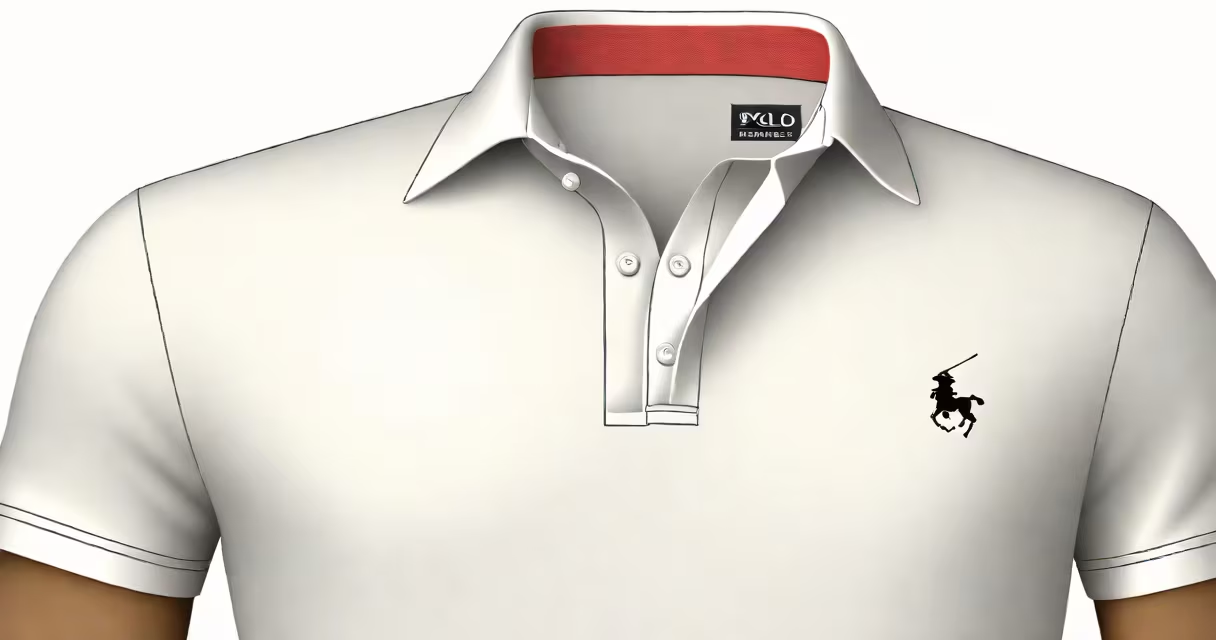
Polo by Ralph Lauren is a global lifestyle brand founded in 1967 by designer Ralph Lauren, recognized for its signature preppy aesthetic, high-quality materials, and iconic red polo player logo. It blends American heritage with tailored casualwear, offering everything from classic cotton polos to sportswear, outerwear, and accessories.
The brand's identity stems from a vision of refined American style-think crisp button-downs, tailored chinos, and the instantly recognizable polo shirt with the embroidered rider. This look wasn't invented overnight. Ralph Lauren began designing clothes in New York City during the 1960s, drawing inspiration from country clubs, Ivy League campuses, and equestrian traditions. His early collections were sold under the "Polo" label, which became synonymous with aspirational, well-crafted casual fashion.
Today, Polo by Ralph Lauren operates across 100+ countries, with over 1,500 retail locations worldwide. Its core product line includes men's and women's apparel, footwear, fragrances, and home goods. The brand maintains a consistent design language: clean lines, muted color palettes, and attention to fabric quality. A single polo shirt may cost $60-$100, reflecting investments in long-staple cotton and durable stitching.
Polo by Ralph Lauren functions as a bridge between high-end fashion and everyday wear. It doesn't rely on seasonal trends but instead builds around enduring codes: the horseman logo, the use of navy, white, and burgundy as signature colors, and the emphasis on fit and fabric. The brand's design process begins with mood boards inspired by American life-New England summers, weekend golf, coastal living-and translates those into wearable garments.
Materials are selected for both performance and longevity. For example, the brand's "Polo Sport" line uses moisture-wicking polyester blends for athletic settings, while the "Polo Red" line features silk-blend fabrics for dressier occasions. All products undergo rigorous testing for shrinkage, colorfastness, and durability. According to the company's sustainability report, 75% of their cotton is sourced through Responsible Cotton Initiative (RCI) certified farms as of 2023.
A lesser-known fact: the red polo player logo was not originally intended as a brand symbol. It was first used in 1972 on a promotional poster for a charity event. The image of a jockey riding a horse in a polo match resonated with customers, leading to its adoption as the official emblem. By 1974, it appeared on every product, cementing visual recognition.
Polo by Ralph Lauren organizes its offerings into distinct lines, each targeting different lifestyles and price points. The most prominent are:
| Line | Target Audience | Price Range (USD) | Key Products |
|---|---|---|---|
| Polo by Ralph Lauren | General consumers seeking classic American style | $40-$150 | Classic cotton polos, chinos, knit sweaters |
| Polo Sport | Active wear, gym-goers, athletes | $50-$200 | Performance tees, joggers, training shoes |
| Polo Black | Urban professionals, minimalist style | $100-$300 | Structured blazers, slim-fit trousers, leather bags |
| Polo Kids | Families with children aged 2-14 | $25-$120 | Matching sets, school uniforms, sneakers |
These lines aren't just marketing segments-they reflect real differences in fabric sourcing, construction, and distribution. For example, Polo Sport pieces are manufactured in Vietnam and Mexico using recycled polyester from ocean-bound plastic, while standard Polo shirts are produced in Turkey and India using GOTS-certified cotton.
Stores like Nordstrom, Saks Fifth Avenue, and the brand's own flagship stores in New York and Beverly Hills carry the full range. Online, the brand ships to over 100 countries via its website and partners like Amazon and Farfetch. During peak seasons, such as back-to-school or holiday shopping, inventory turnover reaches 1.8 times per year-faster than many luxury brands.
Many people assume "Polo by Ralph Lauren" is a single product or just a shirt. That's incorrect. It's a multi-faceted brand with distinct divisions. The term "Polo" often gets conflated with "Ralph Lauren," but they are not interchangeable. Ralph Lauren Inc. owns multiple labels: Ralph Lauren Purple Label (high-end couture), Lauren Ralph Lauren (affordable women's wear), and Chaps (western-inspired men's wear).
Another myth: that all Polo by Ralph Lauren items are expensive. While premium lines exist, entry-level options start at $25. A plain white cotton polo shirt from the standard line costs $45 and is available in 12 sizes and six colors. These are mass-produced but still meet internal quality standards-each shirt undergoes 14 inspection points before shipping.
Some shoppers confuse Polo by Ralph Lauren with counterfeit versions sold on marketplaces like eBay or AliExpress. Authentic items feature laser-etched logos on the interior collar, not printed ones. Real polo shirts also have a small "RL" monogram stitched inside the neck seam. Counterfeit versions often use cheaper thread and misalign the logo placement.
Consider a 30-year-old professional in Chicago who wants a versatile, season-proof wardrobe. He selects five core items from Polo by Ralph Lauren:
Together, these pieces cover workdays, weekend outings, and travel. The navy polo pairs with chinos for office wear. The sweater layers over a collared shirt for colder days. The windbreaker handles spring showers. All items share a cohesive color scheme-navy, gray, beige, brown-and use similar fabric textures, creating visual harmony.
He bought them over three months at regular prices, avoiding sales. Total cost: $585. Over three years, he estimates the average cost per wear is $1.30, assuming 450 wears. This compares favorably to fast-fashion alternatives, which typically last fewer than 20 wears before fading or tearing.
When I built a similar wardrobe in 2021, I noticed how well the pieces coordinated. Even after washing them 50 times, the colors held, and the stitching remained intact. The brand's focus on durability over trendiness paid off in daily use.
Polo by Ralph Lauren is more than a clothing brand-it's a cultural touchstone representing a version of American life centered on tradition, craftsmanship, and understated elegance. Its success lies in consistency: the same logo, same color palette, same commitment to quality across decades. Whether worn by a Wall Street trader or a college student, the brand delivers a sense of belonging to a particular style legacy.