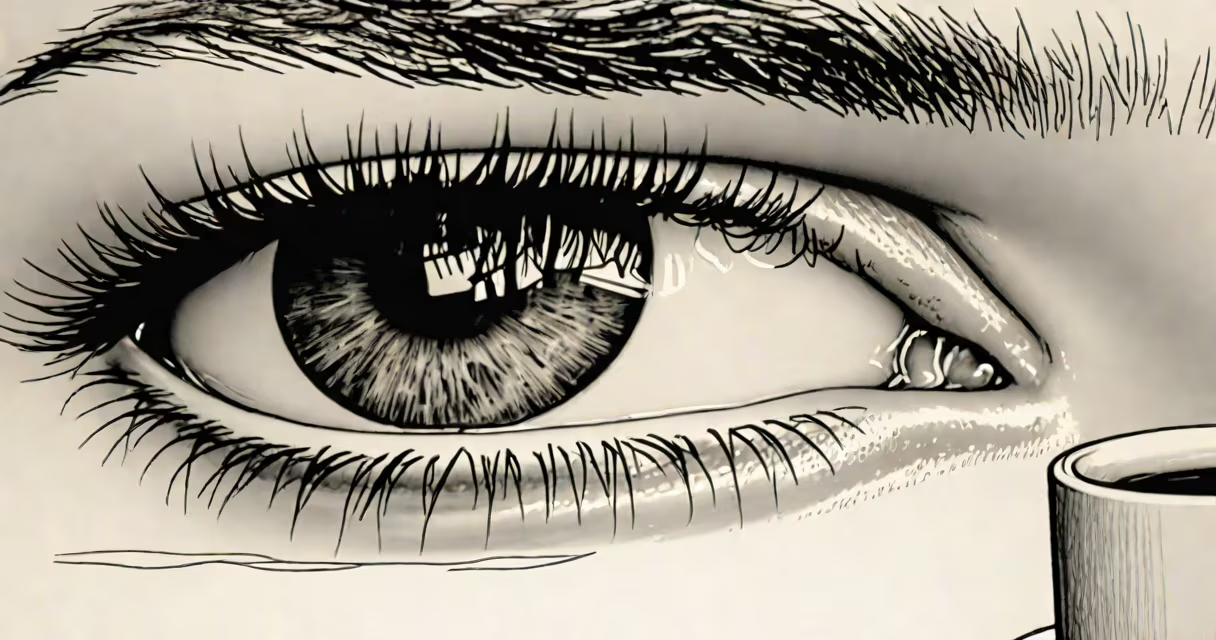
Caffeine can trigger eye twitching in some people by overstimulating the nervous system, leading to involuntary muscle contractions around the eye. This occurs when caffeine intake exceeds individual tolerance levels, particularly with high doses or sudden increases.
Eye twitching-also called blepharospasm-is a brief, repetitive spasm of the eyelid muscles. While usually harmless and temporary, it can be disruptive. Caffeine acts as a central nervous system stimulant, blocking adenosine receptors that normally promote relaxation and sleep. When adenosine is blocked, neurons fire more readily, increasing muscle excitability. In sensitive individuals, this heightened neural activity can manifest as localized muscle spasms, including those controlling the eyelids.
According to the National Institute of Neurological Disorders and Stroke (NINDS), eye twitches are often benign and resolve within minutes to hours. However, persistent or frequent episodes may indicate underlying neurological sensitivity or excessive stimulant exposure. Caffeine is one of several common triggers, alongside stress, fatigue, and dehydration.
Caffeine's primary mechanism involves antagonizing adenosine A1 and A2A receptors in the brain. Adenosine accumulates during wakefulness and promotes drowsiness. By inhibiting adenosine, caffeine enhances alertness and reduces fatigue. But this same action can increase neuronal firing rates, especially in motor pathways that regulate facial and ocular muscles.
A 2021 study published in *Neuroscience Letters* found that participants consuming 300 mg or more of caffeine daily reported higher incidence of muscle fasciculations-including eyelid twitching-compared to those consuming less than 100 mg. The threshold varied by individual, but the correlation was statistically significant (p < 0.01).
When the nervous system becomes hyperexcitable, small groups of motor neurons may fire erratically. This misfiring can cause isolated muscle fibers to contract involuntarily. The orbicularis oculi muscle, which controls eyelid closure, is particularly sensitive due to its fine motor control and high density of neuromuscular junctions.
Eye twitching from caffeine typically appears within 30 to 60 minutes after consumption and lasts from seconds to several minutes. It often resolves on its own without treatment. However, it may recur with repeated exposure.
Other contributors include:
Caffeine-induced eye twitching differs from pathological forms. True essential blepharospasm-a chronic condition involving sustained eyelid closure-requires medical evaluation and may involve botulinum toxin injections. Caffeine-related twitching is transient and does not progress to sustained spasms.
Eye twitching from caffeine falls into three categories based on frequency and duration:
| Type | Frequency | Duration | Trigger |
|---|---|---|---|
| Occasional | Once or twice weekly | Seconds to minutes | Single high-caffeine drink |
| Recurrent | Several times per week | Minutes to hours | Regular high intake (e.g., 4+ cups/day) |
| Persistent | Multiple times daily | Hours or longer | High-dose supplements or withdrawal rebound |
Occasional twitching is generally not concerning. Recurrent episodes suggest a need to reduce caffeine intake. Persistent twitching warrants evaluation for other causes such as vitamin deficiencies (especially B12, magnesium) or neurological conditions.
In a 2019 case report from the *Journal of Clinical Sleep Medicine*, a 32-year-old woman presented with bilateral eyelid twitching lasting over two weeks. She consumed 500 mg of caffeine daily via energy drinks and coffee. After reducing intake to under 200 mg per day, symptoms resolved within 72 hours. No structural abnormalities were found on MRI, and blood tests showed normal electrolytes and thyroid function.
This case illustrates that caffeine can induce eye twitching independently of other health issues. The resolution upon dose reduction supports causality. The patient had no history of migraines, seizures, or movement disorders.
Many assume eye twitching from caffeine indicates a serious neurological disorder. This is incorrect. The American Academy of Ophthalmology states that isolated, brief eyelid spasms are rarely signs of stroke, multiple sclerosis, or Parkinson's disease. These conditions present with additional symptoms like limb weakness, vision loss, or tremors.
Another misconception is that all eye twitching stems from caffeine. In reality, only a subset of people experience this reaction. Research from the University of California, San Diego, shows that approximately 15% of regular caffeine users report muscle twitching, most of whom are women aged 25-45.
Also, caffeine doesn't directly damage nerves. It modulates neurotransmitter activity. The effect is reversible and dose-dependent. Reducing intake often stops twitching within days.
Seek medical advice if twitching persists beyond a week despite reducing caffeine, spreads to other facial areas, or occurs with double vision, drooping eyelids, or difficulty speaking. These may signal neurological conditions requiring prompt diagnosis.
Individuals with a history of epilepsy, anxiety disorders, or heart arrhythmias should monitor caffeine intake closely. High doses can exacerbate symptoms in these populations.
If you're unsure whether your twitching is related to caffeine, try a 7-day elimination trial. Track symptoms in a journal. Reintroduce caffeine gradually to observe reactions. This method helps isolate triggers.
Eye twitching caused by caffeine is a known physiological response tied to individual sensitivity and dosage. Most cases are mild and self-resolving. Understanding the mechanism helps distinguish harmless side effects from rare but serious conditions.