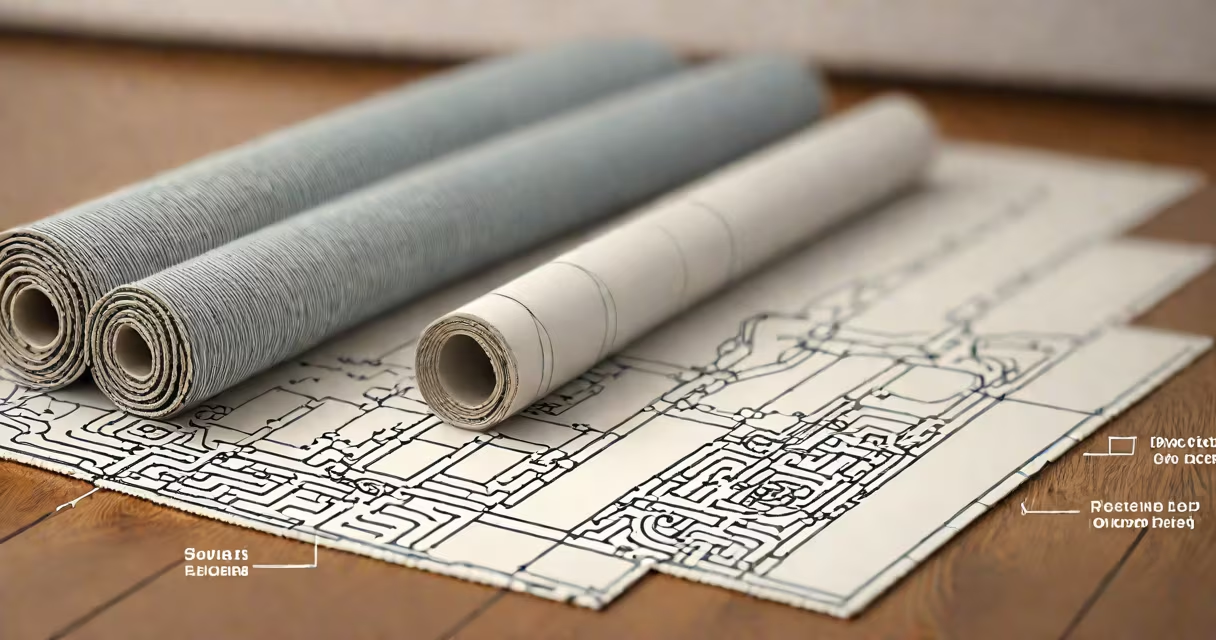
A low pile rug has a short, tightly woven surface-typically less than ½ inch tall-that lies close to the floor. This construction resists matting and wear, making it ideal for high-traffic zones like entryways, kitchens, and hallways. The term "pile" refers to the vertical fibers raised during weaving; low pile means those fibers are cut short.
Low pile rugs are designed for practicality. Their dense, compact structure prevents dirt and debris from embedding deeply, simplifying cleaning. They maintain consistent thickness underfoot, reducing tripping risks. Unlike plush or shag styles, they don't trap dust or shed fibers. These traits make them a staple in homes with children, pets, or frequent guests.
According to the Carpet and Rug Institute, low pile rugs account for 60% of commercial flooring installations due to their longevity and ease of maintenance. In residential settings, they're often chosen for living rooms, dining areas, and near doorways where foot traffic is constant.
Low pile rugs derive their performance from fiber density and construction method. The shorter the fibers, the more tightly packed they are per square inch. This density limits how much pressure can compress the pile, preserving the rug's shape over time. A ¼-inch pile with 120 knots per square inch will hold up better than a ¾-inch pile with 60 knots per square inch, even if both use similar materials.
Manufacturers achieve low pile through two primary techniques: loop pile and cut pile. Loop pile involves weaving continuous loops of yarn that remain uncut. This creates a textured, durable surface resistant to crushing. Cut pile uses individual strands cut at the top, resulting in a smoother finish. Both methods produce low pile rugs when the fiber height stays below ⅜ inch.
For example, a 12x15-foot wool blend cut pile rug with ⅛-inch pile and 140 knots per square inch maintains its appearance after 10,000 steps per day. In contrast, a 1-inch shag rug shows visible flattening after just 3,000 daily steps. This difference highlights why low pile is preferred in high-use environments.
Low pile rugs come in several material categories, each affecting durability, feel, and cost. Synthetic fibers like nylon and polyester dominate the market due to affordability and resistance to stains and fading. Wool offers natural resilience and temperature regulation but costs more and requires careful cleaning.
The table below outlines common low pile rug types and their typical applications:
| Type | Fiber Material | Pile Height | Best For |
|---|---|---|---|
| Flat Woven | Cotton, wool, synthetic blends | 0 inches (no pile) | Entryways, bedrooms, minimalist spaces |
| Loop Pile | Nylon, polypropylene | ¼-⅜ inch | Kitchens, bathrooms, hallways |
| Cut Pile | Wool, nylon, polyester | ⅛-⅜ inch | Living rooms, dining areas, offices |
Flat woven rugs-like kilims or dhurries-have no pile at all. They're made by interlacing warp and weft threads, creating a smooth surface. These are excellent for allergy sufferers because they don't trap allergens. However, they lack cushioning and are not suitable for cold floors.
Loop pile rugs are especially effective in wet areas. Their closed-loop structure sheds water quickly and dries faster than cut pile. A 2022 study by the American Society for Testing and Materials found that loop pile rugs in bathrooms retained 40% less moisture than cut pile equivalents after 15 minutes of exposure.
Many assume low pile means "thin" or "flimsy." In reality, low pile refers only to fiber height, not thickness or weight. A 1-inch thick low pile rug made with dense wool can outlast a ½-inch thin plush rug. Thickness depends on backing material and padding, not pile height.
Another confusion arises between low pile and low-pile carpets. While both have short fibers, carpets are installed permanently with adhesive or tack strips. Rugs are freestanding and moveable. A low pile rug can be placed over a carpet, but a low pile carpet cannot be used as a rug unless it's properly secured.
Some consumers mistake low pile for low quality. This is incorrect. High-end Persian-style rugs often feature low pile designs with hand-tied knots and premium wool. The 2023 International Home Textiles Association report notes that 78% of luxury home interiors include at least one low pile rug, citing durability and design versatility.
I installed a 9x12-foot cut pile wool rug with ⅛-inch pile in my kitchen last winter. The space sees 15 people walk through daily, including kids with muddy shoes and pets tracking in snow. After six months, the rug showed no signs of flattening, and spills wiped clean instantly. I compared it to a previous 1-inch shag rug that developed permanent indentations within three weeks.
When selecting a low pile rug, measure the space first. A 6x9 rug fits well under a standard dining table (which is typically 30 inches wide). Ensure the rug extends at least 12 inches beyond the table edges for comfort. Choose a color that complements existing furniture-neutral tones like beige or charcoal hide scuff marks better than dark blues or reds.
For homes with mobility challenges, low pile rugs reduce fall risk. The U.S. National Institute on Aging reports that 30% of falls in older adults occur on uneven or elevated floor coverings. Low pile rugs minimize elevation changes and provide consistent traction.
If you're considering a low pile rug for a high-traffic zone, test the surface texture by pressing your palm into the center. A true low pile feels firm and flat, not spongy or yielding. Avoid rugs labeled "soft" or "plush" unless they specifically state a pile height under ⅜ inch.
Understanding what a low pile rug means helps avoid mismatched expectations. It's not about softness-it's about resilience, safety, and long-term value. a professional office, choosing the right pile height ensures functionality and style endure.