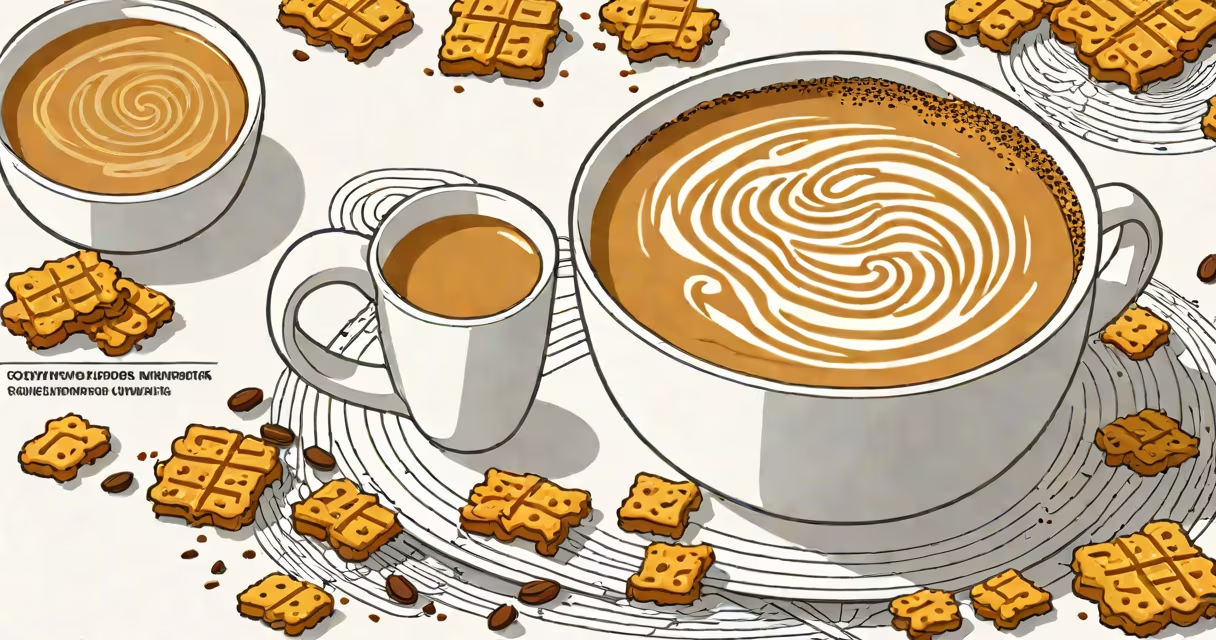
A cookie butter latte is a sweet coffee beverage made by combining espresso or strong brewed coffee with steamed milk and a generous swirl of cookie butter-a thick, sweet spread made from crushed shortbread cookies, brown sugar, and butter. It delivers a dessert-like taste with the warmth of coffee.
The drink originated in specialty cafes around 2016, gaining traction through social media and seasonal menu drops. Its appeal lies in the balance between the boldness of espresso and the cloying sweetness of cookie butter, creating a layered flavor profile that feels both familiar and indulgent.
Unlike standard flavored lattes that rely on syrup or powder, a cookie butter latte uses actual cookie butter as the primary flavor agent. This gives it a thicker mouthfeel and deeper, more complex flavor than syrups alone. The texture is richer, often with visible swirls of the spread when poured.
Each component contributes to the drink's structure. Espresso provides the base strength-typically 1-2 shots (30-60 ml)-and acts as a flavor anchor. Steamed milk adds body and smoothness, while the cookie butter brings sweetness, fat, and aroma. The final result is a balanced, warm beverage with a velvety finish.
Preparation requires heating the milk to 60-70°C (140-160°F) to create microfoam, then gently swirling in the cookie butter. The heat melts the spread slightly, allowing it to blend without separating. Overheating can cause curdling or a greasy texture.
For home versions, many use store-bought cookie butter spreads like Biscoff or Chobani Cookie Butter Creamer. These are designed to mix easily into hot liquids and maintain consistency under heat.
The core ingredients are espresso, whole milk or oat milk, and cookie butter. A typical serving uses:
Some recipes include a pinch of salt to balance sweetness, or a dash of vanilla extract for complexity. The cookie butter itself is usually made from refined sugar, palm oil, wheat flour, and vanilla. Brands vary-some use real butter, others use plant-based fats.
Chobani Cookie Butter Creamer, available in 12 oz bottles, is formulated specifically for coffee. It contains 12 grams of sugar per 2-tablespoon serving and is free from artificial preservatives. It dissolves smoothly in hot liquid and maintains a consistent texture without clumping.
| Ingredient | Typical Amount | Role |
|---|---|---|
| Espresso | 30 ml (1 shot) | Base flavor and caffeine |
| Steamed milk | 150 ml | Texture and mouthfeel |
| Cookie butter | 15-30 g | Primary flavor and richness |
Coffee shops introduced cookie butter lattes during fall and winter seasons, capitalizing on the nostalgic taste of baked goods. Major chains like Starbucks and Dunkin' have offered limited-time versions, often paired with seasonal decor and marketing campaigns.
Home brewers adopt the recipe for weekend treats or as a substitute for sugary desserts. It appeals to people who enjoy sweet, creamy drinks but want something more substantial than a mocha or caramel latte. The drink also fits well with dietary preferences-using oat milk or monk fruit sweetener reduces calories and carbs.
One non-obvious fact: cookie butter is not a dairy product despite its name. Most commercial versions contain no milk solids, making them suitable for lactose-intolerant individuals. However, they are high in saturated fat and sugar-about 10 grams of sugar per tablespoon. Health experts recommend limiting intake to avoid blood sugar spikes.
Many confuse cookie butter lattes with "cinnamon roll lattes" or "snickerdoodle" variants. While similar in sweetness, cookie butter has a distinct nutty, toasty flavor from roasted shortbread, whereas cinnamon roll flavors rely on spice and vanilla. Cookie butter lacks the sharp cinnamon bite and has a lower acidity level.
Another misconception is that the drink must be served hot. Cold versions exist-often called "cookie butter iced lattes"-where the cookie butter is stirred into chilled milk and espresso. These are popular in summer months and can be topped with whipped cream or crushed cookies.
Finally, some assume cookie butter is interchangeable with Nutella. They are not. Nutella contains hazelnuts and cocoa, giving it a chocolatey, earthy profile. Cookie butter is sweeter, drier, and more biscuit-like. Using Nutella in place of cookie butter changes the entire flavor identity of the drink.
To make a single serving of cookie butter latte:
The final drink has a golden hue with visible swirls, a rich aroma of caramelized sugar and butter, and a sweet, slightly salty finish. Total calories: ~280. Sugar content: ~32 g.
I made this version at home last November using a manual steam wand. The milk frothed well, and the cookie butter blended smoothly. The first sip was unexpectedly smooth-no grittiness, no separation. It tasted like a warm cookie dipped in coffee.
For a lighter option, swap whole milk for oat milk and reduce the creamer to 1 tablespoon. The result is still satisfying but cuts sugar by nearly half.
A cookie butter latte is not just a drink-it's a sensory experience rooted in comfort, nostalgia, and indulgence. Its rise reflects changing consumer tastes toward bold, dessert-inspired beverages. With proper ingredient selection and technique, it's easy to replicate at home with consistent results.