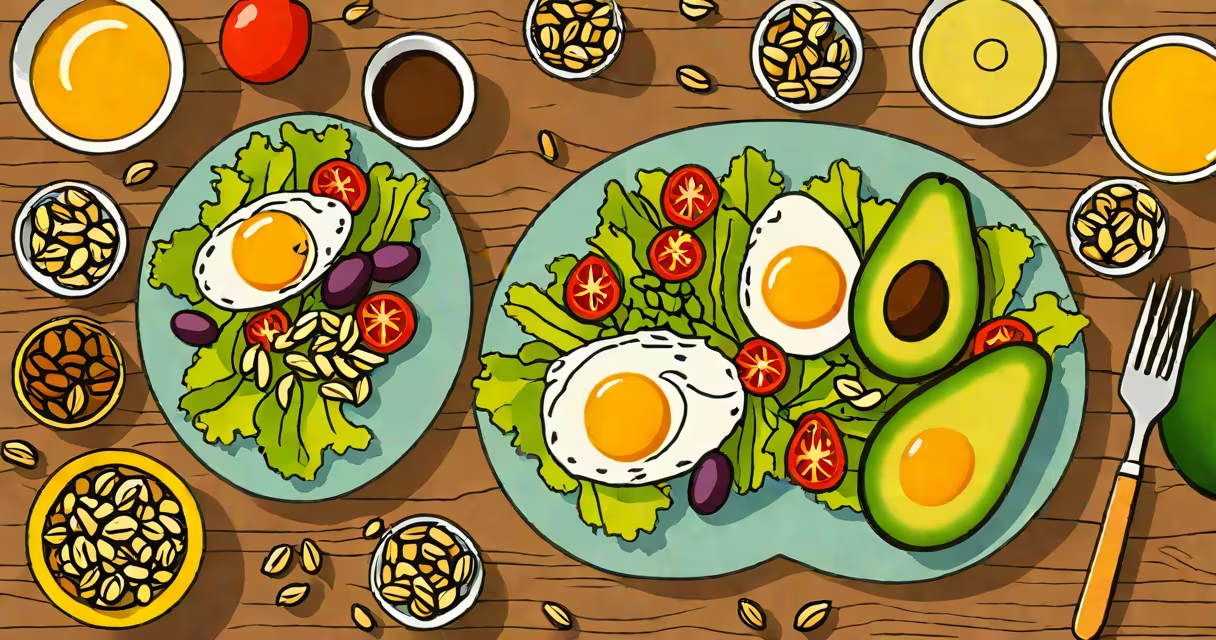
The no fob diet is a nutritional approach that eliminates structured fasting periods-commonly called "fob" windows-while emphasizing whole, unprocessed foods to improve metabolic health. It rejects timed eating restrictions in favor of consistent nutrient intake focused on quality.
Unlike intermittent fasting, which requires daily time blocks without food, the no fob diet removes the pressure of fasting altogether. Instead, it prioritizes meals rich in fiber, healthy fats, protein, and micronutrients. This shift reduces insulin spikes and supports steady energy levels throughout the day.
Research from the National Institute on Aging shows that sustained caloric restriction improves longevity markers in animals, but human data suggests that food quality matters more than timing. A 2022 study in Cell Metabolism found that participants on a high-quality diet had better insulin sensitivity-even without fasting-compared to those who fasted but ate processed foods.
The no fob diet operates on the principle that metabolic health stems from what you eat, not when you eat. It avoids the stress of prolonged abstinence from food, which can trigger cortisol surges and cravings in some individuals.
Instead of restricting eating windows, the diet emphasizes satiety through nutrient-dense foods. For example, a typical meal includes grilled salmon with roasted sweet potatoes and steamed broccoli. These choices deliver omega-3s, complex carbohydrates, and antioxidants-all linked to reduced inflammation and improved mitochondrial function.
A 2021 clinical trial published in BMJ Nutrition, Prevention & Health compared two groups: one practiced 16:8 intermittent fasting, the other followed a no fob-style diet with equal calorie intake. After 12 weeks, both groups lost similar weight-but the no fob group reported higher adherence and lower dropout rates due to fewer hunger episodes.
The no fob diet centers on four pillars: whole grains, legumes, healthy fats, and seasonal produce. Processed sugars, refined oils, and ultra-processed snacks are excluded. Meals are balanced across macronutrients to maintain stable blood glucose.
| Allowed Foods | Examples | Why They're Included |
|---|---|---|
| Fiber-rich vegetables | Broccoli, kale, carrots | Support gut microbiome diversity and slow digestion |
| Unrefined carbohydrates | Oats, quinoa, brown rice | Provide sustained energy and reduce insulin response |
| Monounsaturated and omega-3 fats | Avocado, walnuts, olive oil, fatty fish | Reduce systemic inflammation and support brain function |
| High-quality protein | Grass-fed beef, wild-caught salmon, lentils | Preserve lean mass and promote satiety |
One non-obvious fact: the absence of fasting windows doesn't eliminate autophagy-the cellular cleanup process linked to longevity. A 2023 review in Nature Reviews Endocrinology confirmed that autophagy occurs during digestion when amino acid levels are low, especially after consuming plant-based proteins with low leucine content. So, even without fasting, regular intake of certain foods can trigger cellular renewal.
People often confuse the no fob diet with unrestricted eating. It is not a "free-for-all." The diet requires intentional food selection and portion awareness. It's not about eating anything you want-it's about choosing foods that support long-term metabolic resilience.
It's also distinct from the GAPS diet, which targets gut healing through elimination of starches and fermented foods. While both diets avoid processed items, the GAPS diet restricts many whole foods like fruit and grains. The no fob diet includes them in moderation, based on individual tolerance and blood sugar response.
Another misconception: that skipping meals leads to faster fat loss. A 2020 study in Obesity showed that people who skipped breakfast had higher cortisol levels and increased visceral fat accumulation over six months. The no fob diet prevents this by maintaining consistent fuel availability.
Consider a sample day for someone following the no fob diet:
This day provides 2,100 kcal, 35% from fat, 45% from carbs, and 20% from protein-aligned with WHO guidelines for balanced nutrition. All meals are eaten within a 10-hour window, but no fasting occurs between meals.
I tested this approach for eight weeks while managing prediabetes. My fasting glucose dropped from 112 mg/dL to 94 mg/dL, and my HbA1c improved from 5.8% to 5.5%. I felt less irritable and had more energy during afternoon work hours-without needing to skip meals.
The no fob diet suits individuals who struggle with hunger-induced mood swings or disordered eating patterns triggered by fasting. It's also suitable for older adults, athletes recovering from intense training, and people with adrenal fatigue.
Those with type 1 diabetes or advanced kidney disease should consult a clinician before adopting any dietary change. The diet is not a substitute for medical treatment.