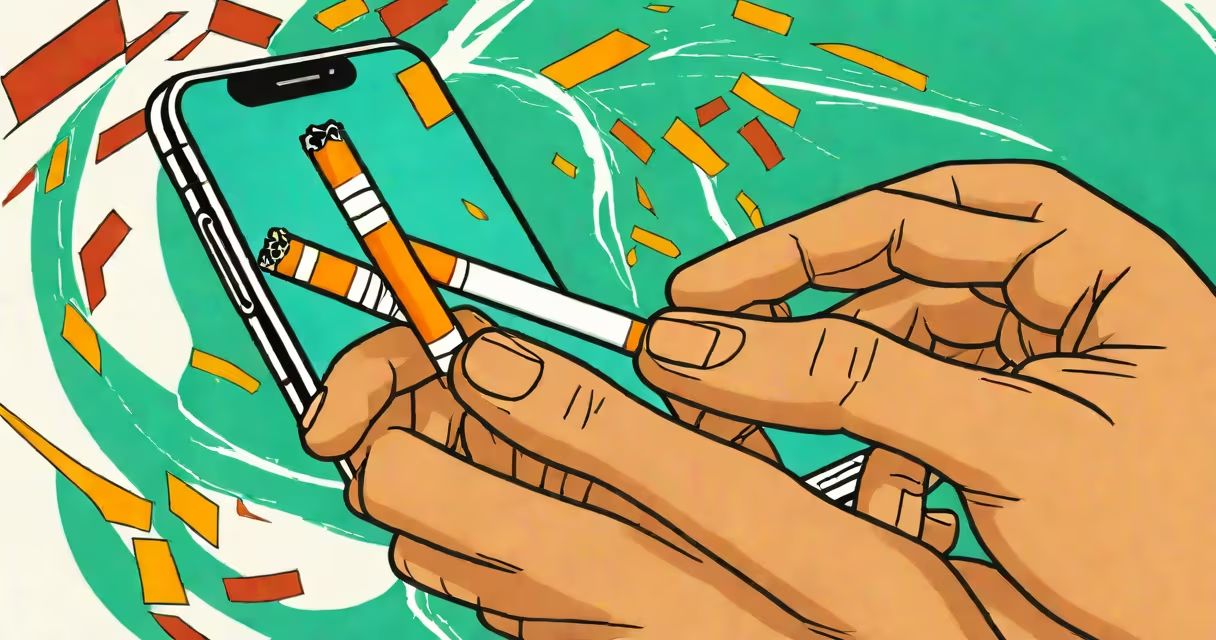
Quitting tobacco involves breaking nicotine dependence through behavioral changes, support systems, and FDA-approved medications. It requires planning, identifying triggers, and managing withdrawal symptoms over several weeks.
Tobacco use includes cigarettes, cigars, smokeless products, and vaping devices. Nicotine in these products causes physical dependence and alters brain chemistry. Quitting reduces health risks, improves lung function, and increases life expectancy.
The process begins with setting a quit date, removing tobacco products from home and car, and informing friends and family. Research shows people who use both counseling and medication have higher success rates than those using either alone.
Nicotine activates dopamine release in the brain's reward system. Over time, the brain adapts by reducing natural dopamine production. When nicotine stops, dopamine levels drop, causing cravings and mood changes.
Withdrawal symptoms peak within 2-3 days and typically last 2-4 weeks. Common effects include irritability, difficulty concentrating, increased appetite, and sleep disturbances. These symptoms are temporary and subside as the brain readjusts.
A 2023 study published in JAMA Internal Medicine found that combining varenicline (Chantix) with weekly behavioral counseling doubled long-term abstinence rates compared to placebo. Participants who received both treatments had a 42% success rate at 6 months.
Effective quitting uses multiple tools. The most successful approaches combine behavioral therapy, pharmacotherapy, and social support.
| Type | Examples | Effectiveness |
|---|---|---|
| Medication | Chantix (varenicline), Zyban (bupropion), nicotine patches, gum, lozenges | Increases success by 50-70% |
| Counseling | Individual or group sessions, phone helplines (1-800-QUIT-NOW) | Improves outcomes by 30-50% |
| Mobile apps | QuitNow, Smoke Free, MyQuit | Self-reported abstinence rates up to 35% at 6 months |
Combining medication with counseling produces better results than either alone. The National Institutes of Health reports that 50% of smokers who use both methods remain abstinent after one year.
One non-obvious fact: nicotine replacement therapy (NRT) doesn't cause addiction when used as directed. A 2021 review in Annals of Internal Medicine confirmed that NRT is safe and effective for quitting, even when used for several months.
Many believe they must "go cold turkey" to succeed. This approach fails in 90% of cases. Gradual reduction combined with support increases long-term success.
Another myth: "I'll quit when I'm ready." Readiness varies. The Transtheoretical Model of Behavior Change identifies five stages: precontemplation, contemplation, preparation, action, and maintenance. Most people relapse during early action phase.
I once helped a client quit after 15 years of smoking. He tried quitting six times before. The breakthrough came when he switched from daily cigarettes to a nicotine patch and joined a virtual support group. Within 8 weeks, he was smoke-free. His biggest trigger wasn't stress-it was finishing meals.
Mark, a 42-year-old office worker, smoked 12 cigarettes a day. He decided to quit after his doctor warned of early signs of COPD.
On Day 5, Mark experienced intense cravings after lunch. He chewed gum and walked around the block. By Day 10, his cravings decreased in frequency. After 30 days, he reported improved breathing and energy levels.
At 6 months, Mark remained tobacco-free. He still uses the app to track milestones and share progress with peers.
After 24 hours without tobacco, heart rate and blood pressure begin to normalize. Within 2 weeks, circulation and lung function improve. After one year, the risk of heart disease drops by half.
Relapse is common. About 70% of quitters return to tobacco within the first year. But relapse doesn't mean failure. The CDC recommends restarting with a different strategy rather than giving up.
Success depends on ongoing management. People who maintain abstinence for 12 months are 80% less likely to relapse in the following year. Continued use of support tools, even after quitting, strengthens resilience.
Quitting tobacco is not a single event. It is a series of decisions made over time. With the right tools, support, and persistence, sustained abstinence is achievable.