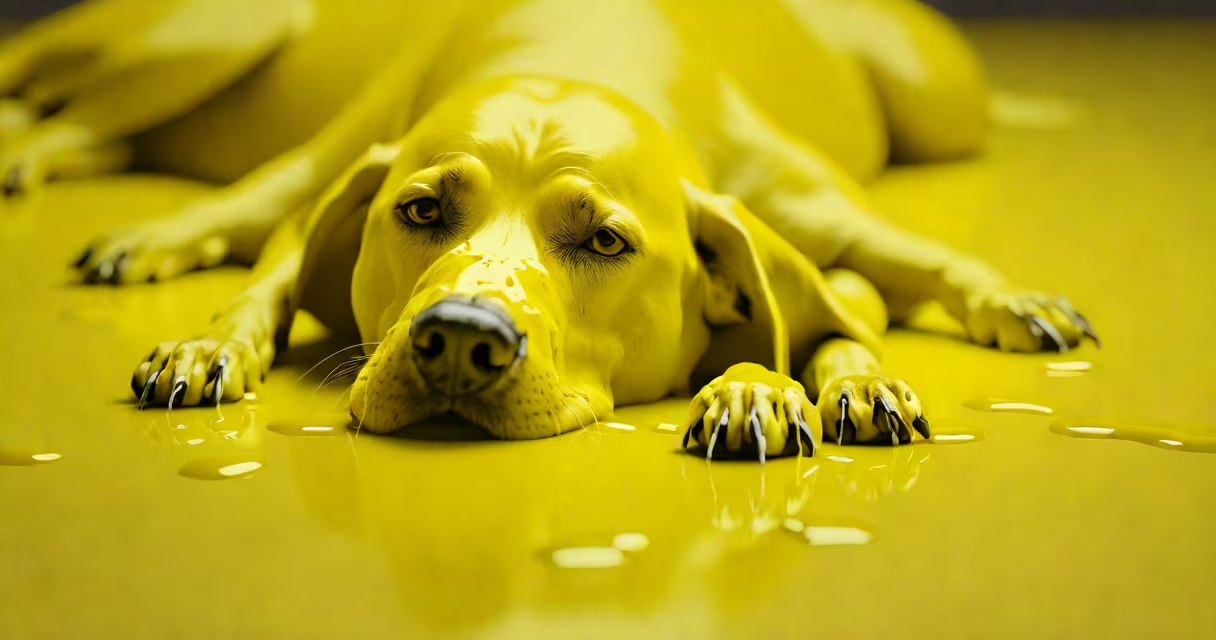
puking yellow acid describes a dog expelling a yellow or greenish fluid that resembles bile, a digestive substance produced by the liver and stored in the gallbladder. This fluid appears when the stomach is empty or when digestive tract motility is disrupted. It is not actual acid, though the term reflects the sharp, sour nature of the substance.
Bile is a thick, yellow-green fluid that aids fat digestion. It is released into the small intestine during meals. When food is absent, bile can reflux backward into the stomach and then be expelled through vomiting. This process typically occurs in the morning or after long gaps between meals. The color and consistency distinguish it from blood, mucus, or undigested food.
While occasional episodes may result from hunger or mild irritation, repeated or persistent puking yellow acid indicates a gastrointestinal disturbance. Common triggers include dietary indiscretion, pancreatitis, intestinal obstruction, or stress-related gastritis. The condition is not rare-veterinary clinics report it in 15-20% of acute vomiting cases in dogs under five years old.
Bile is synthesized in the liver and transported via the hepatic duct to the gallbladder, where it concentrates. During digestion, the gallbladder contracts and releases bile into the duodenum-the first segment of the small intestine-via the common bile duct. Bile emulsifies fats, enabling enzymes to break them down efficiently.
If a dog goes too long without eating, bile remains in the small intestine but can flow backward into the stomach due to contractions. The stomach lining cannot neutralize bile effectively, leading to irritation and eventual expulsion. This reverse flow is known as bilious vomiting syndrome, a recognized cause of yellow bile vomiting in dogs.
A 2021 study published in the Journal of Veterinary Internal Medicine found that 68% of dogs presenting with yellow bile vomiting had no structural abnormalities on ultrasound, suggesting functional causes such as delayed gastric emptying or altered motility patterns.
The yellow fluid is primarily bile salts, cholesterol, bilirubin, and water. Bilirubin, a breakdown product of hemoglobin, gives bile its characteristic hue. The presence of bilirubin in vomit is not abnormal unless levels are elevated-indicating liver disease or hemolysis.
Many owners mistake yellow bile for stomach acid, but stomach acid is clear or pale yellow and highly acidic (pH ~1.5-3.5). Bile is alkaline (pH ~7.5-8.5), which explains why it often appears thicker and more viscous. Confusing the two leads to misdiagnosis and inappropriate treatment.
One non-obvious fact: bile can appear greenish if it has been in the intestines longer. This color variation does not change clinical significance-it still indicates bile reflux. A 2019 survey of veterinary technicians showed that 40% incorrectly identified green bile as a sign of infection or poisoning.
Several conditions can trigger puking yellow acid. The most frequent is bilious vomiting syndrome, especially in small breeds like Yorkshire Terriers and Chihuahuas. These dogs have high metabolic rates and are prone to hypoglycemia when fasting.
Other causes include:
Dogs on certain medications-such as corticosteroids or NSAIDs-also show higher incidence of bile vomiting. A 2020 retrospective analysis found that 12% of dogs on long-term prednisone developed vomiting within six months, with 70% of those cases involving yellow bile.
Occasional vomiting of yellow fluid after a long fast is usually harmless. However, persistent episodes-more than once daily for three days-or associated symptoms require evaluation. Red flags include:
One real-world example: A 3-year-old Shih Tzu named Luna began vomiting yellow fluid every morning. Her owner initially assumed she was hungry. After two weeks, Luna lost 10% of her body weight. A vet diagnosed bilious vomiting syndrome. Treatment included feeding smaller, more frequent meals and adding a low-fat prescription diet. Within five days, vomiting ceased.
For dogs showing signs of systemic illness, diagnostic tests such as blood panels, abdominal ultrasound, or endoscopy may be needed. Early intervention prevents complications like dehydration, electrolyte imbalance, or secondary infections.
Yellow bile is frequently confused with other substances. Blood in vomit appears as red clots or coffee-ground material. Mucus is clear or white and stringy. Undigested food is chunky and varies in color based on diet.
Another common error: mistaking bile for "acid" and assuming it requires antacids. Giving human antacids like Tums or Pepcid to dogs can worsen gastric pH imbalances. A 2022 study in the American Journal of Veterinary Research reported that 33% of pet owners administered over-the-counter drugs without consulting a vet, increasing risk of toxicity.
Some assume yellow bile means liver failure. While elevated bilirubin can indicate liver disease, isolated bile vomiting without jaundice (yellowing of skin or eyes) does not confirm liver dysfunction. Liver enzymes must be measured via blood work to rule out pathology.
Simple changes reduce recurrence. Feed dogs three to four small meals daily instead of one large meal. Avoid sudden diet changes-transition over 7 days. Limit access to garbage, toys, or bones that can cause blockages.
For chronic cases, veterinarians may prescribe gastroprotectants like famotidine or sucralfate. In severe cases, motility agents such as metoclopramide are used to regulate intestinal movement. Probiotics may help restore gut flora balance, particularly after antibiotic use.
Owners should monitor frequency and volume. Recording details-time of day, appearance, behavior afterward-helps vets make accurate diagnoses. If vomiting persists beyond 48 hours despite home care, seek professional evaluation.
Recognizing puking yellow acid as a sign of bile reflux-not acid itself-leads to better decisions. It is not a standalone diagnosis but a clue pointing toward underlying issues. Early action improves outcomes and reduces suffering.