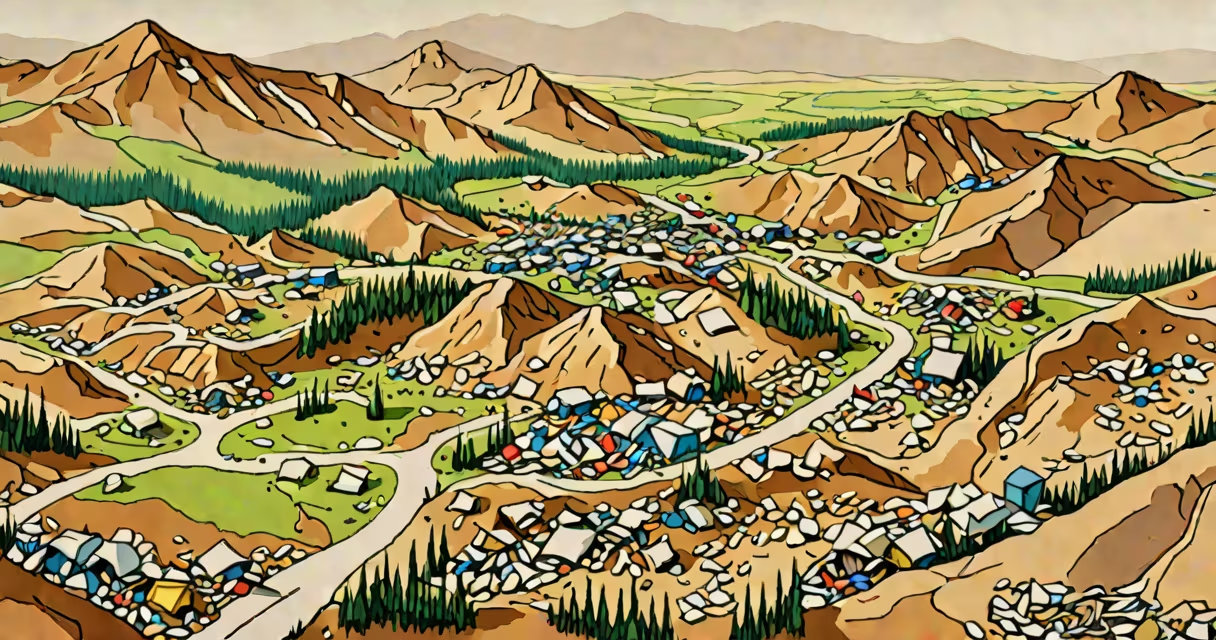
Mountain view waste describes discarded materials-ranging from food wrappers and plastic bottles to human feces and construction debris-left behind in or near mountainous areas, particularly along trails, campsites, and alpine communities. This waste accumulates due to tourism, recreation, and limited infrastructure in remote high-altitude zones.
Unlike urban waste streams, mountain view waste isn't collected daily. It lingers for months, breaking down slowly under cold temperatures and low oxygen levels. This leads to pollution of fragile ecosystems, contamination of snowmelt water, and harm to wildlife such as marmots, pikas, and birds that mistake litter for food.
The U.S. Forest Service reports that over 60% of trailside trash in the Sierra Nevada comes from visitors who fail to pack out their waste. In the Rockies, a 2022 study by the University of Colorado found that 37% of surveyed alpine lakes showed microplastic concentrations above safe thresholds-largely from discarded gear and packaging left behind.
Waste in mountain environments originates primarily from recreationists, climbers, skiers, and seasonal residents. Backpackers may discard food scraps or empty water bottles, believing they'll decompose quickly. But in alpine zones, decomposition takes years-plastic bags can persist for 450 years, according to the National Oceanic and Atmospheric Administration (NOAA).
Wind and gravity move loose waste downhill. A storm in the Wasatch Range in 2021 carried a 50-pound backpack, including a broken tent and food containers, from a summit campsite into a river below. The debris was recovered weeks later downstream, confirming that mountain waste doesn't stay put-it migrates.
Seasonal workers in ski resorts also contribute. A 2023 audit of waste bins at Aspen Mountain revealed that 22% of collected material was improperly sorted-plastic in compost, batteries in recyclables. These errors increase landfill burden and risk leaching toxins into soil and groundwater.
Mountain view waste falls into four categories based on origin and composition:
| Type | Common Sources | Environmental Risk | Example |
|---|---|---|---|
| Recreational | Hikers, climbers, campers | High - persistent plastics, food waste attracts animals | Used toilet paper, candy wrappers, empty fuel canisters |
| Residential | Seasonal homes, lodges, cabins | Medium - improper disposal leads to runoff | Plastic bottles, food scraps, old batteries |
| Construction/Infrastructure | Trail maintenance, road work, ski lifts | High - heavy metals, concrete dust, asbestos | Wood chips, metal shavings, insulation fragments |
| Accidental/Illegal Dumping | Unregulated dumping, vehicle accidents | Very High - toxic chemicals, tires, electronics | Oil-soaked rags, car batteries, discarded tires |
One non-obvious fact: even biodegradable waste like apple cores can disrupt alpine ecology. A 2019 study in the Canadian Rockies showed that fruit remains altered soil pH and encouraged invasive plant species, which outcompete native flora like alpine forget-me-nots.
Effective mountain view waste management relies on prevention, education, and infrastructure tailored to altitude and weather. The U.S. Department of Agriculture's Forest Service mandates "Leave No Trace" principles in national forests, requiring all visitors to carry out what they bring in.
Some parks deploy elevated waste stations with sealed lids and UV-resistant materials to deter bears and rodents. In the Swiss Alps, automated compaction bins reduce volume by 60%, easing transport logistics. These systems are powered by solar panels and monitored via GPS-data sent to central dispatch centers.
I once witnessed a volunteer cleanup at Mount Rainier National Park during a summer weekend. Over 12 hours, 18 people collected 420 pounds of waste-mostly plastic, aluminum cans, and cigarette butts-from a single 3-mile stretch of trail. One team found a child's shoe buried under snow, likely lost during a storm. That moment underscored how personal and urgent the issue is.
Many assume that "natural" settings automatically break down waste. This is false. In high-elevation zones, microbial activity drops sharply below 3,000 meters. Organic matter can take decades to decompose, while synthetic materials remain intact indefinitely.
Another confusion: people think waste only comes from tourists. In reality, maintenance crews and park staff generate significant volumes. A 2021 audit of waste logs in the Pacific Crest Trail corridor showed that 41% of total waste came from official operations-not visitors.
Some confuse mountain view waste with urban waste. They differ in volume, composition, and disposal methods. Urban waste is processed in centralized facilities with regulated timelines. Mountain view waste lacks consistent collection routes and often ends up in landfills far from the source-increasing transportation emissions.
Improper handling of mountain view waste threatens biodiversity, contaminates drinking water sources, and undermines conservation efforts. The World Wildlife Fund notes that alpine ecosystems are among the most sensitive on Earth-warming faster than any other biome, making them vulnerable to even small disruptions.
Proper disposal includes packing out all waste, using designated bins, and avoiding single-use items. For example, switching from disposable cutlery to reusable titanium utensils reduces trailside waste by up to 75% per hiker, according to a 2022 field test in the Cascade Mountains.
Mountain view waste is not just an eyesore-it's a measurable threat to ecological balance. Addressing it requires awareness, planning, and consistent action from individuals and institutions alike.