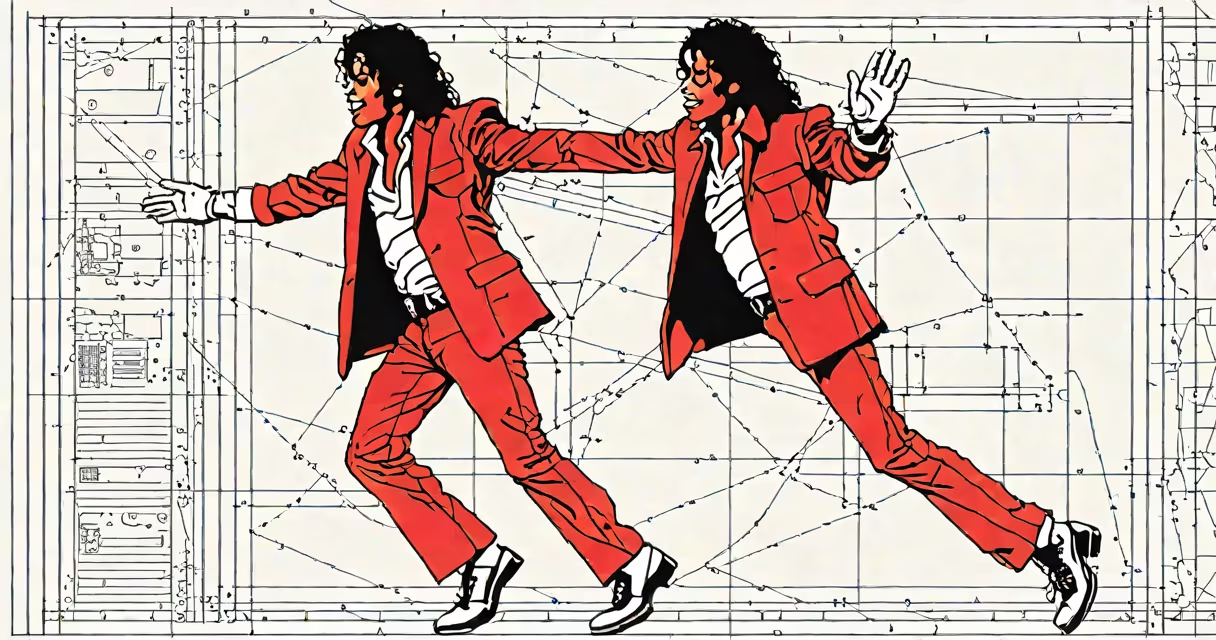
The 2009 film "This Is It" is a concert documentary capturing Michael Jackson's final rehearsals for his planned 50-date "This Is It" residency at London's O2 Arena. It presents raw footage of his preparation, choreography, vocal warm-ups, and behind-the-scenes moments, offering a rare glimpse into his creative process before his death.
Released just months after Jackson's passing, the film was compiled from over 100 hours of unedited rehearsal footage shot between April and June 2009. Director Kenny Ortega oversaw the editing, selecting performances that reflected Jackson's vision for the show. The film premiered globally in October 2009 and became the highest-grossing concert film of all time, earning $260 million worldwide.
Unlike a traditional concert film, "This Is It" focuses on the rehearsal process rather than a live performance. It shows Jackson working closely with dancers, choreographers, and sound engineers to refine routines. His attention to detail was extreme-he rehearsed each move multiple times, often stopping to adjust timing, spacing, or expression. Footage reveals him practicing "Smooth Criminal"'s lean for over 40 minutes in a single session.
Production began in April 2009 when Jackson returned to the rehearsal space at the Staples Center in Los Angeles. Cameras were placed around the stage and in the wings to capture every angle. The team used 16 cameras, including handheld units and fixed rigs, to record movement, facial expressions, and audience reactions during run-throughs.
Ortega and his team reviewed 100+ hours of footage, selecting segments based on energy, precision, and emotional impact. They avoided heavily edited sequences, preserving the authenticity of Jackson's work. For example, a take of "Beat It" was chosen not because it was perfect, but because Jackson's face showed genuine joy during the final chorus-a moment Ortega described as "pure connection."
Audio was mixed from original recordings, not re-recorded. The film features Jackson's original vocals, backing tracks, and stage effects. Sound designer David K. Farrow confirmed that no vocal overdubs were added. The audio fidelity matches the quality of the rehearsal sessions, making the film feel immediate and intimate.
The film opens with Jackson arriving at rehearsal, adjusting his gloves, and greeting crew members. It then unfolds chronologically through five acts: "The Beginning," "The Show Must Go On," "The Dance," "The Voice," and "The Final Rehearsal." Each act highlights different aspects of the production-choreography, costume design, lighting, and vocal delivery.
Key performances include:
Footage of Jackson's interaction with dancers shows his leadership style. He corrected posture, emphasized facial expression, and encouraged performers to "feel the music." During a rehearsal of "Wanna Be Startin' Somethin'," he paused to explain the song's theme: "This is about people ignoring the truth until it's too late."
Many assume "This Is It" is a live concert film. It is not. The film contains no audience footage, no actual performances before a crowd, and no recorded applause. All material is from rehearsals. The absence of a live audience makes the experience more personal-viewers see Jackson in private moments, not polished stage personas.
Another misconception is that the film includes full concert sets. It does not. Only selected songs were included, chosen for their emotional weight and technical complexity. The film ends with Jackson walking offstage after a final run-through of "Thriller," leaving the camera on an empty stage. There is no encore, no curtain call.
A third myth is that Jackson planned to perform the entire show in one night. He did not. The residency was structured over 10 weeks, with each night featuring a different set list. The film only covers the first week of rehearsals, focusing on core material to establish the show's foundation.
"This Is It" remains one of the most-watched concert films in history. It earned a 91% approval rating on Rotten Tomatoes and was praised by critics for its intimacy and emotional honesty. The New York Times called it "a portrait of artistry in motion," while Rolling Stone noted Jackson's "unrelenting pursuit of perfection."
For fans, the film offers closure. For scholars, it provides insight into Jackson's creative method. Anthropologist Dr. Susan J. Smith, who studied Jackson's performance style, wrote in her 2011 paper that the film "reveals how Jackson treated dance as language-each gesture encoded with cultural reference and personal memory."
After the film's release, the O2 Arena hosted a tribute event in 2010, where 12,000 fans gathered to watch excerpts. The venue later installed a permanent exhibit on Jackson's legacy, including props from the film such as his red jacket and custom shoes.
One of the most analyzed sequences in the film is Jackson's practice of the "lean" from "Smooth Criminal." The move requires balancing on the balls of the feet while leaning forward at a 45-degree angle. Jackson performed it over 60 times during a single rehearsal session.
On-screen, the camera captures his footwork: left foot forward, right foot slightly back, arms extended. He uses a special shoe with a hidden heel mechanism to lock into position. The film shows him adjusting the angle by 1.5 degrees each time, testing balance and muscle control.
During one take, he stops, says "Too much tension," and resets. He repeats the move six times before approving the version used in the film. The final cut lasts 11 seconds and includes three camera angles: wide, close-up on hands, and side profile.
This sequence exemplifies Jackson's meticulous approach. He didn't rely on instinct-he measured, adjusted, and refined. The film doesn't hide his mistakes. Viewers see him stumble, pause, and restart. That imperfection is part of the film's power.
The film is available on streaming platforms including Netflix, Amazon Prime Video, and Apple TV+. It runs 102 minutes and is rated PG-13 for thematic elements and brief suggestive content.
"This Is It" is not a celebration of fame. It is a study of craft. It shows a man preparing for a moment he may never have had-the chance to perform for thousands, one last time. The film's lasting value lies in its honesty: it captures Jackson not as a legend, but as a creator, still learning, still striving.