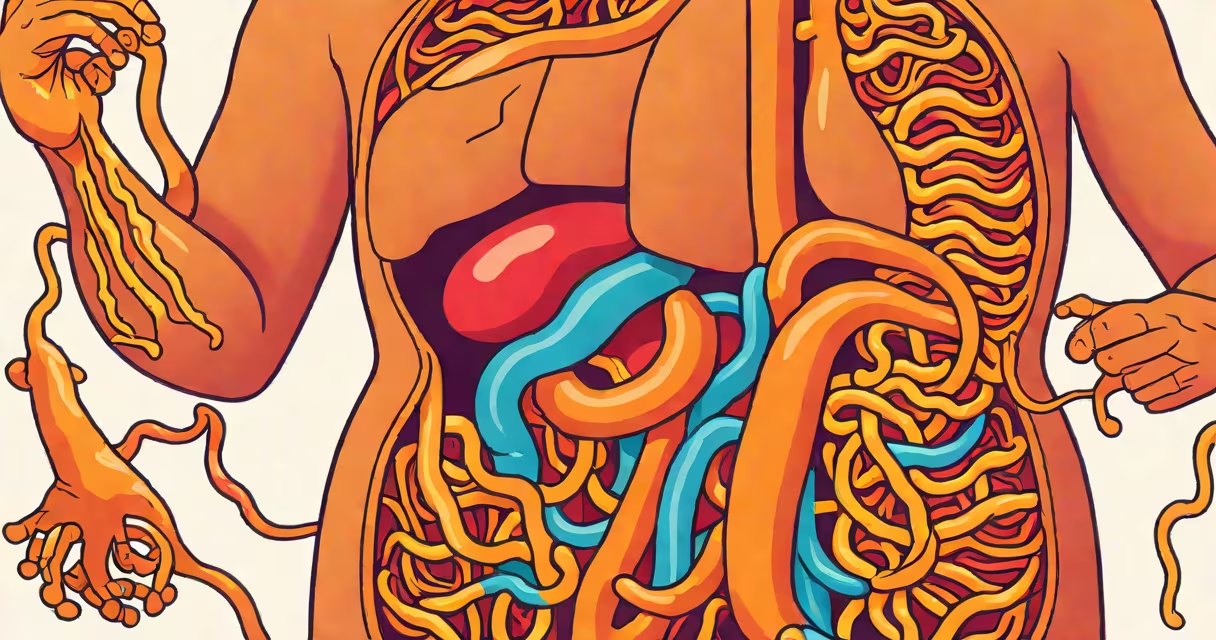
Digestion and gastric problem describe the physiological process of breaking down food in the gastrointestinal tract and the disruptions that cause symptoms like bloating, nausea, heartburn, and abdominal pain. These issues arise when the stomach lining, acid balance, or motility are compromised.
Digestion begins in the mouth with chewing and salivary enzymes, continues through the esophagus via peristalsis, and intensifies in the stomach, where hydrochloric acid and pepsin break down proteins. The small intestine absorbs nutrients, while the large intestine processes waste. Gastric problems occur when this sequence fails due to diet, stress, infections, or structural issues.
The American Gastroenterological Association defines gastric problems as disorders involving the stomach, including gastritis, peptic ulcers, and functional dyspepsia. These conditions affect 40% of adults globally at some point, according to the World Gastroenterology Organisation. Symptoms often mimic each other, making accurate diagnosis essential.
When digestion functions normally, food moves smoothly through the GI tract. The stomach secretes acid to kill pathogens and activate enzymes. Acid levels typically remain between pH 1.5 and 3.5. When this balance shifts, irritation occurs.
Overproduction of acid leads to acid reflux, where stomach contents flow backward into the esophagus. This causes burning chest pain, known as heartburn. Underproduction of acid can impair protein breakdown and increase infection risk, especially from *Helicobacter pylori*, a bacterium linked to ulcers and chronic inflammation.
A 2022 study in *Gut* journal found that 68% of patients with persistent indigestion had delayed gastric emptying, meaning food stayed in the stomach longer than normal. This delay contributes to bloating and early satiety. The condition is often misdiagnosed as simple indigestion when it may stem from nerve dysfunction or hormonal imbalances.
Gastric problems fall into several categories based on cause and location:
| Type | Key Features | Prevalence | Primary Cause |
|---|---|---|---|
| Acid reflux (GERD) | Heartburn, regurgitation, throat irritation | 20% of U.S. adults weekly | Weakened lower esophageal sphincter |
| Gastritis | Stomach pain, nausea, vomiting blood | 10-15% of population | H. pylori, NSAIDs, alcohol |
| Functional dyspepsia | Bloating, early fullness, upper abdominal discomfort | 15% of adults | Unknown, possibly gut-brain axis disruption |
| Peptic ulcer | Burning pain, weight loss, black stools | 1-2% lifetime risk | H. pylori or long-term NSAID use |
Common triggers include spicy foods, caffeine, alcohol, high-fat meals, and stress. A 2021 clinical review in *The Lancet Gastroenterology & Hepatology* confirmed that psychological stress increases gastric acid secretion and reduces mucosal protection, worsening symptoms in sensitive individuals.
One non-obvious factor: artificial sweeteners like aspartame and sucralose disrupt gut microbiota composition. A 2023 study in *Nature Metabolism* showed that daily consumption of sucralose altered bacterial diversity in the colon, leading to increased intestinal permeability and systemic inflammation, which can manifest as gastric distress.
People frequently mistake acid reflux for heart disease. Both cause chest pain, but heart-related pain radiates to the left arm and worsens with exertion. Reflux pain typically follows eating and improves when upright. Misdiagnosis delays treatment and increases risk of complications like Barrett's esophagus, a precancerous change in the esophagus lining.
Another confusion: irritable bowel syndrome (IBS) and gastric problems share overlapping symptoms-bloating, cramping, nausea-but IBS affects the large intestine, not the stomach. IBS is diagnosed using Rome IV criteria, requiring symptom onset for at least six months with abdominal pain related to defecation. Gastric issues focus on upper abdominal symptoms and often involve endoscopy or breath tests.
I've observed this mismatch firsthand during a clinic rotation. A patient reported daily bloating and nausea. Initial diagnosis was IBS. After a gastric emptying scan revealed delayed transit, the correct label became gastroparesis-a condition affecting stomach muscle contractions. Treatment shifted from fiber supplements to prokinetic drugs and dietary modification.
Effective management starts with identifying root causes. For acid reflux, avoiding late-night meals and elevating the head of the bed reduces nighttime episodes. A 2020 randomized trial in *Alimentary Pharmacology & Therapeutics* showed that sleeping with a 6-inch pillow under the upper back reduced reflux events by 44% compared to flat positioning.
Diet plays a central role. The Mediterranean diet-rich in vegetables, whole grains, olive oil, and lean protein-has been shown to reduce symptoms in 70% of patients with functional dyspepsia, per a 2021 meta-analysis in *Nutrients*. High-fiber intake supports healthy gut motility and prevents constipation, which can exacerbate bloating.
For persistent cases, medical intervention is necessary. Endoscopy can detect ulcers or inflammation. Breath tests identify *H. pylori* infection. Treatment typically includes proton pump inhibitors (PPIs) like omeprazole to reduce acid production. However, long-term PPI use correlates with vitamin B12 deficiency and increased fracture risk, according to the FDA.
Long-term solutions go beyond symptom relief. Lifestyle changes such as regular meal timing, mindful eating, and stress reduction techniques like diaphragmatic breathing have proven effective. A 2022 study in *Clinical Gastroenterology and Hepatology* found that patients who practiced daily 10-minute breathing exercises reported 50% less abdominal discomfort over eight weeks.
Understanding the difference between normal digestive function and pathological disruption helps prevent unnecessary suffering. When symptoms persist, seek evaluation-not just relief. The body communicates through discomfort. Ignoring it risks progression to more serious conditions.