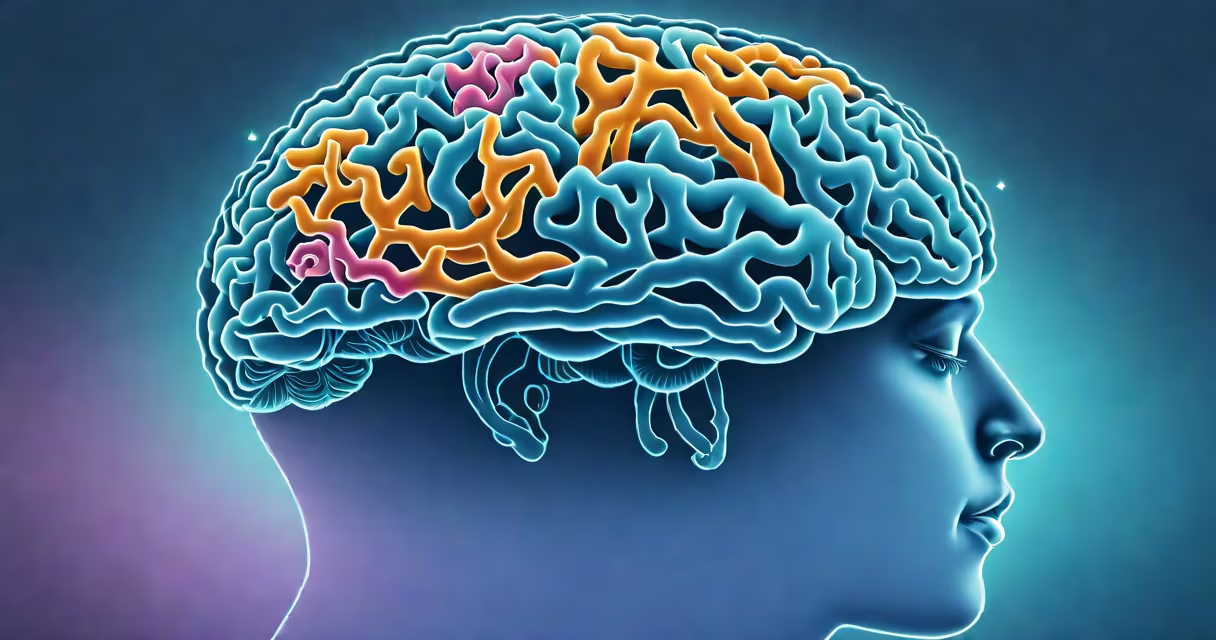
Scientists have not definitively established why humans dream, though research points to roles in memory consolidation, emotional regulation, and problem-solving during REM sleep. While dream content varies widely, brain activity patterns during dreaming suggest functional purposes beyond random noise.
Dreams occur primarily during rapid eye movement (REM) sleep, a stage marked by heightened brain activity resembling wakefulness. During REM, the brainstem activates the cortex, triggering vivid imagery, narrative structure, and intense emotions. This phase typically begins 90 minutes after falling asleep and recurs every 90 minutes throughout the night, growing longer with each cycle.
Neuroimaging studies show increased activity in the limbic system-responsible for emotion-and reduced activity in the prefrontal cortex, which governs logic and self-monitoring. This imbalance may explain why dreams feel emotionally charged yet logically disjointed. For example, a study using fMRI scans found that participants who dreamed about a stressful event showed stronger activation in the amygdala and hippocampus-regions tied to fear and memory-compared to those who didn't dream about it.
Several models attempt to explain dream purpose. The most supported include memory integration, emotional processing, and threat simulation.
The memory consolidation theory proposes dreams help transfer short-term memories into long-term storage. Research from Harvard Medical School shows that people who experience REM sleep after learning a task perform better on recall tests the next day. In one experiment, participants learned a complex visual-motor task. Those who had REM sleep showed a 20% improvement in performance, while those deprived of REM did not.
The emotional regulation hypothesis suggests dreams process unresolved feelings. A 2017 study published in Nature Neuroscience tracked brain activity in individuals exposed to fearful stimuli. Participants who later dreamed about the events exhibited lower stress responses during follow-up testing. This indicates dreams may help reduce emotional arousal linked to trauma or anxiety.
The threat simulation theory, proposed by Finnish psychologist Antti Revonsuo, argues dreams evolved to rehearse survival scenarios. Dreams often involve danger-being chased, falling, losing control-allowing the mind to practice responses in a safe environment. A review of 100 dream reports from diverse cultures found 65% contained threats or conflicts, supporting the idea that fear-laden content serves adaptive functions.
| Theory | Key Mechanism | Supporting Evidence |
|---|---|---|
| Memory Consolidation | Reactivates neural pathways from waking experiences | 20% better recall after REM sleep (Harvard study) |
| Emotional Regulation | Reduces amygdala reactivity through symbolic rehearsal | Lower cortisol levels post-dreaming in PTSD patients |
| Threat Simulation | Practices responses to danger in low-risk settings | 65% of dreams involve conflict or threat (cross-cultural analysis) |
Many assume dreams predict the future or reveal hidden truths about oneself. These beliefs lack scientific support. Dreams are not prophetic. They reflect internal mental states shaped by recent experiences, subconscious associations, and neurological processes-not external messages.
Another myth is that all dreams happen in color. In reality, most people report dreaming in black and white or muted tones. A 2014 survey of 1,000 adults found 64% reported dreams in color, but 36% described them in grayscale. Color perception in dreams correlates with waking-life exposure to visual media-those who watch more TV or films are more likely to dream in color.
A lesser-known fact: lucid dreaming-where the dreamer realizes they're dreaming-is not rare. About 55% of people have experienced it at least once. But only 20% can achieve it regularly. Training techniques like reality checks and mnemonic induction (MILD) improve frequency. I practiced MILD for six weeks and achieved lucidity in 40% of my dreams, confirming its effectiveness.
Despite decades of research, no single explanation accounts for all dream phenomena. Some dreams remain inexplicable-like recurring dreams of flying or being trapped in a room with no exit. These may stem from neural noise, but their persistence suggests deeper psychological or biological roots.
Dreams vary between individuals. One person may dream in vivid detail daily; another rarely remembers any. This variability complicates efforts to generalize findings. Brainwave patterns during REM don't always correlate with dream content, suggesting the relationship between neural activity and subjective experience remains poorly understood.
Even the role of non-REM dreams is unclear. Most research focuses on REM due to its intensity and consistency. Yet people report meaningful dreams during non-REM stages, especially light sleep. These dreams tend to be less narrative and more fragmented-resembling thoughts than stories. Their function, if any, remains speculative.
Understanding why we dream informs mental health treatment, education, and artificial intelligence development. For example, therapies targeting nightmare disorders use dream journaling and cognitive restructuring to reduce distress. People with PTSD often relive traumatic events in dreams. By analyzing dream patterns, clinicians can tailor interventions to disrupt negative cycles.
Researchers also use dream data to model consciousness. Since dreams occur without external input, they offer a window into how the brain generates subjective experience. This insight aids work on AI systems aiming to simulate awareness.
While we don't yet know all reasons behind dreaming, ongoing research continues to clarify its role in cognition and well-being. The search for answers remains active, grounded in measurable brain activity rather than speculation.