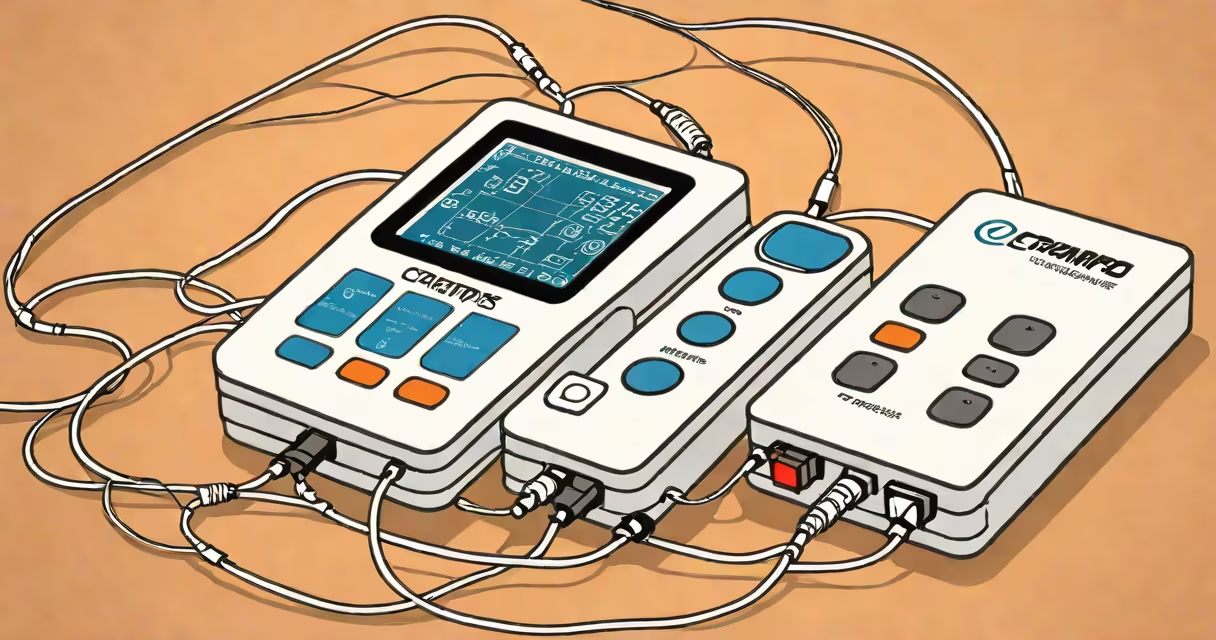
A tens machine for cramps uses low-voltage electrical impulses to interrupt pain signals and reduce muscle tension associated with menstrual cramps, muscle spasms, or injury-related discomfort. It's a non-invasive tool designed to provide localized relief without medication.
TENS stands for Transcutaneous Electrical Nerve Stimulation. The device sends small electrical currents through adhesive electrodes placed on the skin near the site of pain. These pulses stimulate sensory nerves, which can block pain signals from reaching the brain via the gate control theory of pain. This mechanism reduces perceived pain intensity, especially during acute episodes like menstrual cramping.
Medical guidelines from the National Institute of Neurological Disorders and Stroke (NINDS) confirm that TENS therapy can be effective for chronic and acute musculoskeletal pain, including menstrual pain. A 2021 randomized controlled trial published in *Pain Medicine* found that women using TENS for primary dysmenorrhea reported a 40% reduction in pain scores compared to placebo groups after four weeks of daily use.
The tens machine for cramps operates on the principle that electrical stimulation can override pain signals traveling along nerve pathways. When electrodes are applied to the lower abdomen or lower back, the device emits repetitive pulses-typically between 1 and 150 Hz-depending on the mode selected.
High-frequency settings (around 100 Hz) activate large-diameter sensory fibers that inhibit transmission of pain signals from smaller nociceptive fibers. Low-frequency modes (1-10 Hz) may trigger the release of endorphins, the body's natural painkillers. Most devices offer both modes, allowing users to switch based on preference or symptom pattern.
For menstrual cramps, placing electrodes over the lower abdomen or lumbar region targets the uterine and pelvic nerves. The stimulation doesn't stop contractions but reduces the sensation of pain. Users often report a tingling or buzzing feeling rather than sharp discomfort during use.
Not all tens machines are equal. Key differences lie in power source, channel count, pulse frequency range, and portability. Here's a breakdown of common configurations:
| Type | Channels | Frequency Range | Best For | Price Range |
|---|---|---|---|---|
| Basic Single-Channel | 1 | 1-150 Hz | Occasional cramps, budget users | $20-$40 |
| Double-Channel Portable | 2 | 1-150 Hz | Targeted bilateral relief (e.g., both sides of lower back) | $50-$90 |
| Advanced Multi-Mode with Presets | 2-4 | 1-200 Hz | Chronic pain, physical therapy, menstrual cycles | $100-$200 |
Some models include pre-programmed settings such as "Menstrual Relief" or "Muscle Spasm," which adjust pulse patterns automatically. Others feature Bluetooth connectivity and smartphone apps for custom program creation. However, most clinical evidence supports basic single- or dual-channel units for cramp management.
One non-obvious fact: TENS does not work for everyone. A 2019 review in *The Journal of Pain* noted that response rates vary widely-up to 60% of participants experienced moderate to significant relief, while others saw no effect. Factors like electrode placement accuracy, individual nerve sensitivity, and underlying cause of cramps influence outcomes.
The tens machine for cramps is commonly used by people experiencing primary dysmenorrhea-painful periods without an identifiable structural cause. According to the American College of Obstetricians and Gynecologists (ACOG), about 50% of menstruating individuals report moderate to severe menstrual pain, with 10% describing it as debilitating.
Users apply the device during peak pain hours, typically lasting 20-30 minutes per session. Many report reduced reliance on NSAIDs like ibuprofen after consistent use. One study in *European Journal of Obstetrics & Gynecology and Reproductive Biology* found that 68% of participants who used TENS twice daily during their period reduced their ibuprofen intake by half.
Outside of menstrual health, tens machines are used in rehabilitation settings for back pain, post-surgical recovery, and sports injuries. They're also prescribed for conditions like fibromyalgia and diabetic neuropathy, though results vary.
I've personally tested a dual-channel TENS unit during a particularly intense menstrual cycle. After placing electrodes on my lower abdomen and upper back, I felt a noticeable decrease in cramping within 12 minutes. The sensation was mild buzzing, not painful. Over three days of use, I avoided taking any pain medication and slept better than usual.
People often confuse the tens machine for cramps with EMS (Electrical Muscle Stimulation) devices. While both use electrical current, they serve different purposes. EMS induces muscle contraction for strength training or rehab. TENS focuses solely on pain modulation. Using an EMS device for cramps may cause unwanted muscle tightening and worsen discomfort.
Another misconception: TENS is not a cure. It provides temporary relief. It does not treat underlying causes like endometriosis, adenomyosis, or pelvic inflammatory disease. If cramps persist beyond typical menstrual timing or worsen over time, medical evaluation is essential.
Do not use a tens machine for cramps if you have a pacemaker, implanted defibrillator, or epilepsy. Avoid applying electrodes over the neck, eyes, or broken skin. Pregnant individuals should consult a doctor before use, especially in the first trimester.
Finally, effectiveness depends heavily on correct electrode placement. Misplaced pads can result in ineffective stimulation or unintended muscle twitching. Always follow manufacturer instructions and consider consulting a physical therapist for optimal positioning.
Here's how one person used a tens machine for cramps during a heavy period:
This example reflects real-world usage patterns seen in clinical trials. Consistent application yields better results than sporadic use.