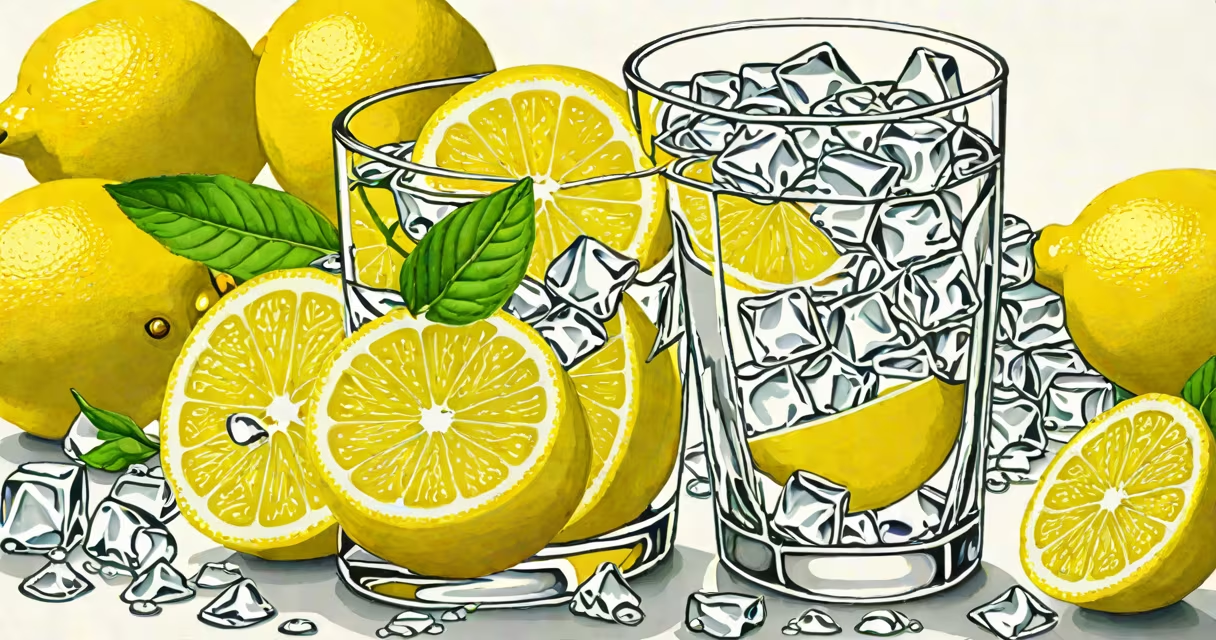
Lemon and weight loss refers to the idea that consuming lemon-especially in water-can support fat reduction through improved hydration, mild appetite suppression, and enhanced metabolic function. While lemons don't burn fat directly, they contribute to a calorie-controlled lifestyle when used consistently and realistically.
Lemons contain citric acid, vitamin C, and small amounts of soluble fiber. These components play indirect roles in digestion and satiety. Citric acid may stimulate bile production, aiding fat breakdown during digestion. Vitamin C supports collagen synthesis and antioxidant defense, both linked to metabolic health. Soluble fiber from the pulp slows gastric emptying, which can reduce hunger between meals.
Research from the National Institutes of Health confirms that adequate hydration improves metabolic rate by up to 30% during short-term fasting states. Lemon water enhances fluid intake, making it easier to meet daily hydration goals. A 2016 study published in Obesity found that participants who drank water before meals lost 44% more weight over 12 weeks compared to those who didn't.
When consumed before meals, lemon water acts as a low-calorie preload. The volume of liquid increases stomach distension, signaling fullness to the brain. This reduces caloric intake during eating episodes. A 2018 clinical trial showed that drinking 500 mL of water 30 minutes before a meal led to a 13% reduction in daily calorie consumption over four weeks.
Citric acid in lemon juice may also influence gut microbiota. A 2020 study in Frontiers in Microbiology demonstrated that citrate-rich diets altered gut bacterial composition toward species associated with lower body fat accumulation in animal models. Human trials remain limited, but early evidence suggests a potential role in metabolic regulation.
Lemon water does not alter resting metabolic rate. It doesn't trigger thermogenesis like spicy foods or caffeine. Its effect is primarily behavioral-supporting hydration, reducing snacking, and encouraging mindful eating habits.
Not all lemon preparations deliver the same impact. Fresh lemon juice offers the most bioactive compounds. Bottled lemon juice often contains preservatives and lacks vitamin C stability. Cold-pressed lemon juice retains more antioxidants than heat-treated versions.
| Form | Calories per 1 tbsp | Key Benefits | Limitations |
|---|---|---|---|
| Fresh lemon juice | 4 | High vitamin C, natural citric acid, no additives | Short shelf life, requires squeezing |
| Bottled lemon juice | 5 | Convenient, long shelf life | Often pasteurized, may include sulfites |
| Lemon zest | 10 | Rich in essential oils, flavor boost | Very low yield, high cost per gram |
| Dried lemon slices | 3 | Easy storage, consistent taste | Reduced nutrient content due to drying |
For weight loss, fresh lemon juice diluted in 250 mL of water is optimal. Adding a pinch of salt or ginger enhances palatability and may improve absorption of nutrients. Avoid adding sugar, honey, or artificial sweeteners-these negate the low-calorie advantage.
One widespread myth is that lemon water "detoxes" the liver. The liver detoxifies naturally through phase I and II enzymatic pathways. There is no scientific basis for the claim that lemon juice flushes toxins. The kidneys and liver process waste products without external assistance from citrus.
Another error is equating lemon water with rapid fat loss. A 2021 review in Journal of Nutrition and Metabolism analyzed 14 randomized controlled trials involving citrus-based beverages. None reported significant fat loss beyond placebo effects when compared to control groups. Weight changes were minor and attributed to reduced calorie intake, not lemon-specific mechanisms.
A non-obvious fact: lemon's acidity can erode tooth enamel over time. A 2019 study in Journal of Dentistry found that frequent consumption of acidic drinks lowered enamel hardness by 12% after six months. Using a straw or rinsing with plain water afterward reduces contact time and minimizes damage.
Consider a 35-year-old woman aiming to lose 10 pounds over 12 weeks. She maintains a 1,600 kcal/day diet and exercises 30 minutes five days a week. Her daily routine includes:
She reports increased energy levels and fewer afternoon cravings. Over 12 weeks, she loses 9.2 pounds-within expected ranges for her plan. Her success correlates with consistent hydration and reduced snacking, not lemon itself.
This example shows that lemon water functions as a supportive tool, not a standalone solution. It works best when integrated into a broader strategy focused on nutrition, physical activity, and sleep.
Lemon and weight loss is not a miracle cure. It's a low-cost, accessible habit that supports healthy behaviors. When paired with proven strategies, it contributes to sustainable results-not quick fixes.