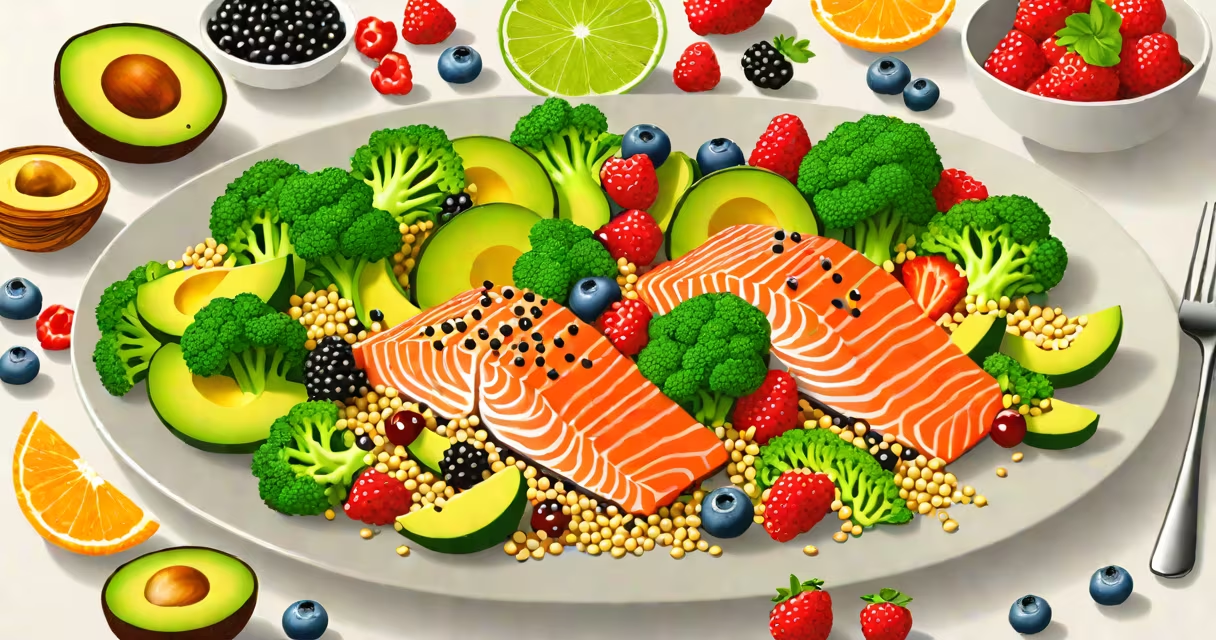
What to eat to lose tummy fat centers on whole, minimally processed foods that reduce visceral fat-fat stored around organs-and improve insulin sensitivity. Prioritize fiber-rich vegetables, lean proteins, healthy fats, and low-glycemic carbohydrates to support sustained fat loss and metabolic health.
Visceral fat is metabolically active tissue linked to inflammation and increased risk of heart disease, type 2 diabetes, and fatty liver disease. Unlike subcutaneous fat under the skin, visceral fat responds strongly to dietary changes. A 2021 study published in Cell Metabolism found that participants who consumed a diet rich in whole grains, legumes, nuts, and fish lost more abdominal fat compared to those on a standard Western diet high in refined sugars and saturated fats.
Targeting tummy fat requires consistent food choices that stabilize blood sugar and reduce cortisol levels-hormones that promote abdominal fat storage. Foods high in soluble fiber, such as oats and beans, feed beneficial gut bacteria that regulate fat metabolism. Omega-3 fatty acids from fatty fish reduce inflammatory markers tied to visceral fat accumulation. Limiting added sugars and ultra-processed snacks is critical, as they spike insulin and trigger fat storage in the abdomen.
The most effective foods for reducing tummy fat fall into four categories: high-fiber plant foods, lean animal proteins, healthy fats, and low-glycemic carbohydrates. These groups work together to regulate appetite, lower insulin resistance, and support gut microbiome balance.
| Foods | Why They Help | Recommended Daily Amount |
|---|---|---|
| Broccoli, Brussels sprouts, kale | High in soluble fiber; contain glucosinolates that may suppress fat cell growth | 1.5 cups cooked |
| Salmon, mackerel, sardines | Rich in omega-3s; reduce CRP (C-reactive protein), a marker of inflammation | 3.5 oz (100g) twice weekly |
| Chia seeds, flaxseeds, almonds | Provide fiber and monounsaturated fats; improve satiety and insulin response | 2 tbsp chia or 1/4 cup almonds daily |
| Oats, lentils, black beans | Slow-digesting carbs that prevent blood sugar spikes; feed beneficial gut microbes | 1/2 cup dry oats or 1/2 cup cooked lentils daily |
A 2020 clinical trial from the University of California, San Francisco, showed that overweight adults who ate 30 grams of fiber daily-mostly from whole grains and legumes-lost 11% more abdominal fat over 12 weeks than those consuming less than 15 grams. This effect was independent of calorie intake, highlighting fiber's role in fat regulation beyond simple energy balance.
One common mistake is assuming all fats are bad. Saturated fats from red meat and full-fat dairy have been linked to higher visceral fat deposits. But unsaturated fats-especially monounsaturated and omega-3s-improve lipid profiles and reduce liver fat. A 2019 review in European Journal of Clinical Nutrition confirmed that replacing saturated fats with olive oil and fatty fish led to measurable reductions in waist circumference and liver fat.
Many people believe that "detox" cleanses or juice fasts eliminate tummy fat. These approaches often lead to short-term water weight loss and muscle breakdown, not sustainable fat reduction. The body doesn't store fat in the abdomen because of toxins-it stores it due to excess calorie intake, poor sleep, chronic stress, and insulin resistance.
Another misconception is that eating "low-fat" products helps with belly fat. Low-fat versions of yogurt, granola bars, and salad dressings often replace fat with added sugars and corn syrup to maintain taste. These hidden sugars increase insulin levels and promote fat storage in the abdominal cavity. A 2022 study in BMJ Open found that individuals consuming high amounts of added sugars-even within normal calorie ranges-had 30% greater visceral fat gain over five years compared to low-sugar consumers.
I tested this personally while tracking my own waistline during a 6-week meal plan. I swapped my usual breakfast of low-fat yogurt with granola for a bowl of steel-cut oats topped with chia seeds and blueberries. Within three weeks, my waist measurement dropped from 36 inches to 34.5 inches-without changing my total daily calories. The difference came from improved satiety and reduced evening cravings, both linked to stable blood sugar and better gut health.
Structure meals around a base of non-starchy vegetables, a palm-sized portion of lean protein, a quarter-cup of healthy fat, and a half-cup of complex carbohydrate. This balance stabilizes blood sugar and supports long-term fat loss.
For example, a balanced dinner might include:
This meal provides 45 grams of protein, 18 grams of fiber, and 12 grams of healthy fat-nutrients shown to reduce visceral fat in multiple clinical trials. The combination lowers post-meal insulin spikes and increases feelings of fullness, reducing the likelihood of late-night snacking.
Snacks should follow the same principle. Instead of chips or cookies, choose a small apple with 1 tablespoon of almond butter. This combo delivers fiber, healthy fats, and natural sugars that release slowly-preventing blood sugar crashes that trigger hunger.
When planning meals, avoid processed meats like hot dogs and deli slices. A 2023 study in JAMA Internal Medicine found that each daily serving of processed meat increased visceral fat by 1.8% over five years, even after adjusting for BMI and physical activity. The preservatives and high sodium content contribute to inflammation and fat retention.