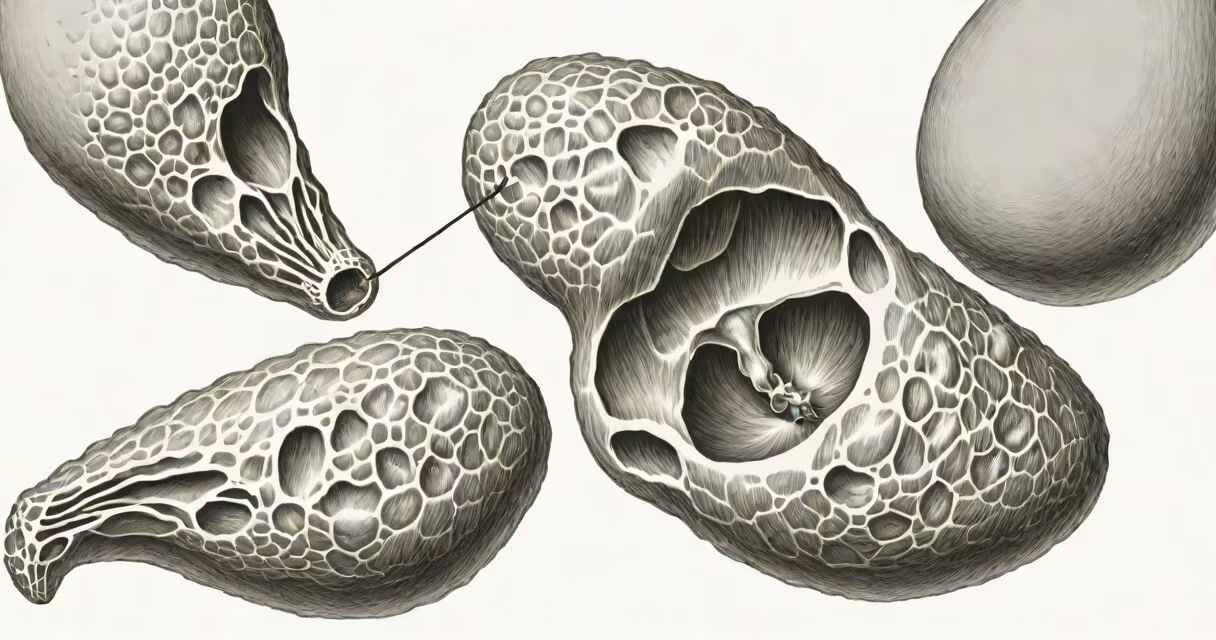
Gallstones can cause nausea, particularly during a gallbladder attack, which occurs when a stone blocks the bile duct and triggers inflammation. Nausea often accompanies sharp upper right abdominal pain, bloating, and sometimes vomiting.
Gallstones form when substances in bile-primarily cholesterol or bilirubin-crystallize into solid particles. These stones may remain asymptomatic for years, but when they obstruct the cystic or common bile duct, they provoke a cascade of digestive symptoms. Nausea arises due to irritation of the gastrointestinal tract and activation of the vagus nerve, which regulates digestion and nausea reflexes.
According to the National Institute of Diabetes and Digestive and Kidney Diseases (NIDDK), about 75% of people with symptomatic gallstones report nausea during episodes. The sensation typically begins within 30 minutes of eating a fatty meal, when the gallbladder contracts to release bile. If a stone blocks the flow, pressure builds, and the nervous system responds with queasiness.
Nausea from gallstones results from mechanical obstruction and chemical irritation. When a stone blocks the cystic duct, bile cannot exit the gallbladder. This causes distension and inflammation, which activates nociceptors-pain receptors-in the abdominal wall. Signals travel via the spinal cord and brainstem, triggering nausea through pathways linked to the vomiting center in the medulla.
Bile acids leaking into surrounding tissues further irritate the gut lining. A 2021 study published in *Digestive Diseases and Sciences* found elevated levels of serum bilirubin and alkaline phosphatase in patients reporting nausea during gallstone attacks. These markers indicate bile backup and liver stress, both associated with nausea severity.
For example, a 45-year-old woman reported waking at 2 a.m. with intense nausea, right upper quadrant pain radiating to her back, and a feeling of fullness after dinner. An ultrasound confirmed a 1.2 cm stone in the neck of her gallbladder. After surgery, her symptoms resolved completely within 48 hours.
Gallstones fall into two main categories, each with distinct formation processes and symptom patterns:
| Type | Composition | Prevalence | Associated Symptoms |
|---|---|---|---|
| Cholesterol stones | Over 80% cholesterol, low in pigments | 75-80% | Nausea after fatty meals, bloating, mild fever |
| Pigment stones | High bilirubin, often in people with liver disease | 20-25% | More frequent nausea, jaundice, dark urine |
Cholesterol stones are more likely to cause intermittent nausea triggered by diet. Pigment stones, linked to hemolytic anemia or cirrhosis, tend to produce persistent nausea and systemic symptoms. The American Gastroenterological Association notes that pigment stones are more likely to lead to complications like cholangitis when they migrate into the common bile duct.
Nausea from gallstones is frequently mistaken for gastritis, peptic ulcers, or irritable bowel syndrome. Up to 30% of patients with gallstone-related nausea receive initial misdiagnosis, according to a 2020 review in *The American Journal of Gastroenterology*. The overlap in symptoms-especially postprandial discomfort-leads to delays in treatment.
A key differentiator is the location and timing of pain. Gallstone pain typically starts in the upper right abdomen and may radiate to the shoulder blade or between the shoulder blades. It often follows a high-fat meal and lasts longer than typical acid reflux-usually 30 minutes to several hours. Nausea tends to worsen during the episode and subside afterward.
Red flags include fever, yellowing skin (jaundice), dark urine, or clay-colored stools. These suggest bile duct obstruction and require immediate medical evaluation. The Mayo Clinic warns that untreated bile duct blockage can progress to sepsis or pancreatitis.
If nausea occurs repeatedly after meals, especially with right upper quadrant pain, consult a gastroenterologist. Diagnosis involves ultrasound, which detects stones with 95% accuracy, or MRCP (magnetic resonance cholangiopancreatography) for suspected ductal blockage.
Treatment depends on symptom frequency. Asymptomatic gallstones usually don't require intervention. But if nausea occurs more than once a month, surgical removal of the gallbladder (cholecystectomy) is recommended. Laparoscopic cholecystectomy is the standard procedure, with recovery taking 1-2 weeks.
After surgery, most patients report resolution of nausea within days. Some experience temporary diarrhea due to unregulated bile flow, but this improves over time. A 2022 study in *Surgery Today* found that 92% of patients had no nausea recurrence at one year post-op.
For those who delay surgery, managing symptoms includes avoiding fatty foods and using medications like ursodeoxycholic acid to dissolve small cholesterol stones. However, this takes months and fails in over 60% of cases, per the NIDDK.
Understanding whether nausea stems from gallstones requires attention to pattern, timing, and accompanying signs. Persistent nausea after eating, especially with pain, demands imaging and specialist consultation. Early diagnosis prevents complications like cholecystitis or pancreatitis.