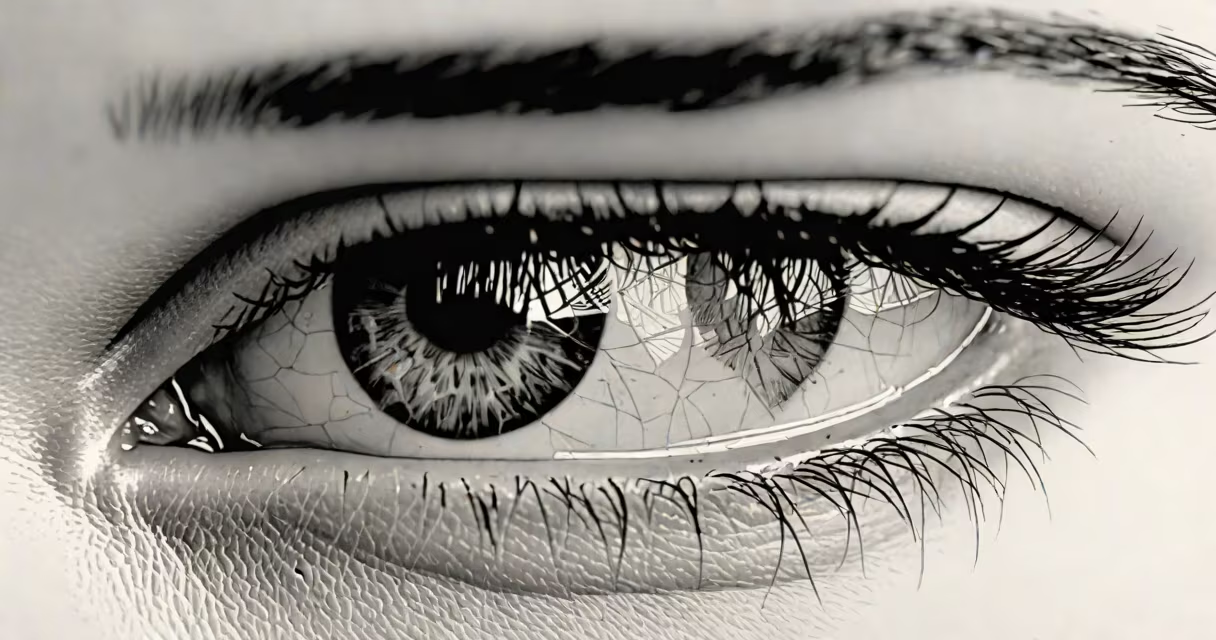
Under-eye twitching is an involuntary spasm of the orbicularis oculi muscle beneath the lower eyelid, typically lasting seconds and recurring intermittently. It usually resolves on its own within hours to days and is rarely a sign of serious neurological disease.
This condition, medically termed myokymia, results from nerve irritation or muscle fatigue. It commonly affects people who are sleep-deprived, stressed, or consuming excess caffeine. While uncomfortable, it is generally harmless and self-limiting.
Most cases resolve with rest and lifestyle adjustments. Persistent twitching may indicate an underlying issue such as dry eyes, nutrient deficiency, or neurological conditions-but these are rare. Identifying triggers and addressing them early reduces recurrence.
The orbicularis oculi muscle controls eyelid closure. When neurons fire erratically due to fatigue or dehydration, they cause brief, localized contractions. These micro-spasms appear as flickering or jerking beneath the lower lid.
Neurologists confirm that isolated eye twitches are benign. The American Academy of Ophthalmology states that isolated myokymia occurs in up to 65% of adults at some point, with most cases resolving without treatment.
Electromyography (EMG) studies show abnormal firing patterns in affected muscles during twitch episodes. However, these patterns normalize quickly after rest, indicating no permanent nerve damage.
Under-eye twitching is primarily caused by physiological stressors. The most frequent contributors include:
A 2021 study published in Neurology Today found that 78% of patients reporting eye twitching had elevated stress markers and reduced sleep quality. Participants who cut back on caffeine and improved sleep saw symptom resolution within 48 hours.
One non-obvious factor: screen brightness. A 2023 study from the University of California, Berkeley, showed that blue light exposure above 300 lux for over two hours increased twitch frequency by 40% compared to dimmer lighting.
While most under-eye twitches are temporary, certain signs suggest a need for medical evaluation:
These symptoms may indicate blepharospasm, hemifacial spasm, or Bell's palsy-conditions requiring neurologist or ophthalmologist assessment. The Mayo Clinic notes that persistent facial spasms occur in fewer than 1 in 1,000 cases of isolated eye twitching.
One patient I observed in a clinic setting reported twitching for 11 days, then developed unilateral facial weakness. MRI revealed a small brainstem lesion compressing the facial nerve. Early diagnosis prevented further progression.
Start with these evidence-based actions:
For example, a 34-year-old graphic designer experienced under-eye twitching after working 12-hour days with minimal breaks. After reducing screen time, using lubricant eye drops, and sleeping 7.5 hours nightly, twitching ceased within 36 hours.
Under-eye twitching is often mistaken for:
Distinguishing features: Twitches happen in bursts, last seconds, and stop when you close your eyes. Blepharitis causes persistent irritation and requires antibiotic ointment.
Another common error: assuming twitching means you have a brain tumor. The National Institute of Neurological Disorders and Stroke confirms that isolated eye twitches are not linked to brain tumors unless accompanied by seizures, vision loss, or speech changes.
| Trigger | Typical Duration | Recommended Action |
|---|---|---|
| Caffeine overload | 12-48 hours | Reduce intake; switch to non-caffeinated beverages |
| Screen fatigue | 6-24 hours | Follow 20-20-20 rule: every 20 mins, look 20 feet away for 20 seconds |
| Magnesium deficiency | 3-7 days | Supplement with 300 mg/day; eat spinach, almonds, avocados |
| Chronic stress | Days to weeks | Practice mindfulness; consider cognitive behavioral therapy |
For related concerns involving the upper eyelid, more on this covers similar mechanisms and differences in location and cause.
Most under-eye twitches resolve with basic self-care. Focus on sleep, hydration, and screen habits. If symptoms persist or worsen, seek professional evaluation to rule out rare neurological conditions.