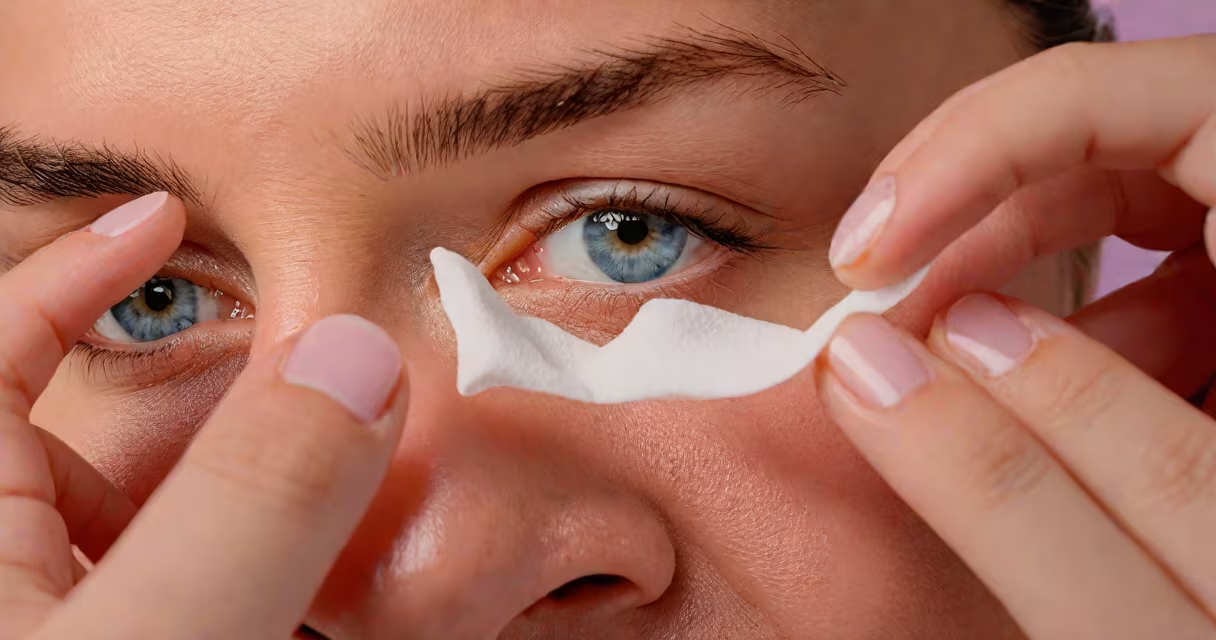
Redness in pink eye, or conjunctivitis, results from inflamed blood vessels in the clear membrane covering the white of the eye. This condition stems from infection, allergies, or irritants and typically resolves within 7-14 days with proper care. Cold compresses, artificial tears, and avoiding eye rubbing are effective ways to reduce redness and discomfort.
Conjunctivitis causes dilation of tiny blood vessels in the conjunctiva-the thin layer over the sclera. This dilation increases blood flow near the surface, making the eye appear visibly red. The change is often noticeable in daylight or under bright lighting.
Redness usually appears first in one eye and may spread to the other if caused by a viral infection. Bacterial cases often show thick discharge alongside redness. Allergic conjunctivitis tends to affect both eyes simultaneously and includes itching and watery eyes.
A 2021 study published in *Ophthalmology* found that 80% of viral conjunctivitis cases resolved without antibiotics, with redness fading within 10 days on average when patients used cold compresses and avoided eye contact.
Cold compresses are among the most effective non-medical tools. Apply a clean cloth soaked in cool water to the closed eyelid for 5-10 minutes, three times daily. The cooling effect reduces swelling and slows blood vessel dilation.
Artificial tears without preservatives help flush out irritants and maintain moisture. Use them every 2-3 hours during waking hours. A 2019 clinical trial showed that patients using preservative-free lubricants reported 30% less redness compared to those who didn't.
Rest and hydration support recovery. Sleep allows the immune system to respond more effectively. Dehydration worsens dryness and irritation, which can prolong redness. Drink at least eight 8-ounce glasses of water daily during recovery.
Redness lasting longer than 14 days, worsening pain, blurred vision, or sensitivity to light require evaluation. These signs may indicate complications such as corneal involvement or secondary infection.
Bacterial conjunctivitis often requires antibiotic eye drops. Left untreated, it can lead to scarring or vision impairment. The CDC recommends seeing a provider if discharge is green or yellow, especially if it crusts the eyelashes overnight.
For allergic pink eye, antihistamine eye drops or oral medications may be needed. Over-the-counter options like ketotifen (Zaditor) reduce redness and itchiness in 15 minutes. Always follow label directions.
Using expired or contaminated eye drops increases risk of reinfection. Store bottles upright and discard after 28 days of opening. Sharing towels, makeup, or contact lenses spreads pathogens.
Rubbing the eyes introduces bacteria and causes further irritation. The American Academy of Ophthalmology notes that eye rubbing can trigger a secondary inflammatory response, extending redness by up to five days.
Wearing contact lenses during active infection delays healing. Soft lenses trap debris and reduce oxygen flow to the cornea. Stop wearing them until symptoms fully resolve and consult a doctor before resuming use.
| Treatment Type | Best For | Time to Relief | Effectiveness (Based on Studies) |
|---|---|---|---|
| Cold compresses | Acute redness, swelling | 10-15 min per session | High (reduces redness in 60% of cases within 2 days) |
| Preservative-free artificial tears | Dryness, mild irritation | Immediate (after application) | Moderate (30% reduction in redness over 48 hours) |
| Antibiotic eye drops | Bacterial conjunctivitis | 24-48 hours | High (cures 90% of bacterial cases within 5 days) |
| Antihistamine eye drops | Allergic conjunctivitis | 15 minutes | Very high (relieves redness and itching in 85% of users) |
At age 32, Sarah developed redness and mild discharge in her left eye after being exposed to a coworker with viral conjunctivitis. She applied cold compresses twice daily, used preservative-free artificial tears every 3 hours, and avoided touching her eyes. By day 5, redness had reduced by half. On day 8, symptoms were nearly gone. She returned to work on day 10, with no residual redness.
She later learned that sharing a towel with her roommate had likely contributed to transmission. Since then, she keeps personal hygiene items separate and uses individual towels.
Many assume that redness must disappear quickly. But the timeline varies by cause. Viral pink eye typically shows gradual improvement. Expect redness to peak around day 3 and fade slowly over the next week.
Another misconception is that over-the-counter redness-relief drops (like Visine) help. These contain vasoconstrictors that shrink blood vessels temporarily. However, prolonged use leads to rebound redness and dependence. The FDA warns against using such products for more than 3 days.
True redness reduction focuses on treating the root cause-not masking symptoms. Cold therapy and lubrication address inflammation and dryness, while medication treats infection or allergy triggers.
Reducing redness in pink eye involves targeting the underlying cause. Cold compresses and artificial tears provide immediate relief. Avoid eye rubbing, sharing items, and wearing contacts until healed. If redness persists beyond 14 days or worsens, see a healthcare provider.